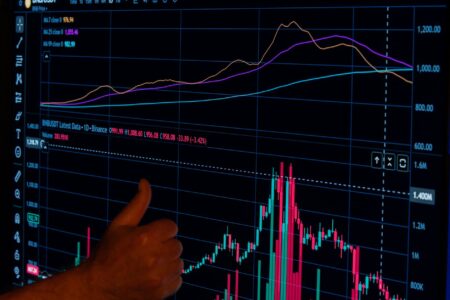



Technical analysts are watching South Korea’s Kospi Composite Index with growing concern as it displays a bearish key reversal pattern that could spell trouble for American semiconductor stocks. The warning comes at a time when both markets have demonstrated remarkable correlation during their recent explosive rallies.
The connection between Seoul’s benchmark index and US chip stocks has grown stronger over the past year, with both sectors feeding off global demand for memory chips, artificial intelligence processors, and mobile technology components. This synchronized movement makes the Kospi’s technical breakdown particularly relevant for American investors.

Technical Breakdown Emerges
The bearish key reversal pattern materializes when a security reaches new highs during a session but closes significantly lower than the previous day’s close. This formation suggests that buying momentum has peaked and sellers are beginning to take control. Chart analysts consider this pattern especially meaningful when it occurs after extended upward moves.
South Korea’s technology-heavy index has experienced exactly this scenario, with the pattern emerging after months of steady gains driven by global semiconductor demand. The reversal coincides with growing concerns about inventory levels at major chip manufacturers and questions about sustainability of current pricing power.
Market technicians note that key reversals carry more weight when they occur at significant resistance levels or after parabolic price movements. The Kospi’s recent behavior fits both criteria, having reached multi-year highs before the reversal pattern developed.
Cross-Market Correlation Intensifies
The relationship between Korean markets and US semiconductor stocks has strengthened considerably as global supply chains become more interconnected. Samsung Electronics and SK Hynix, two of the world’s largest memory chip producers, heavily influence the Kospi’s direction while simultaneously competing with American firms like Micron Technology.
This correlation extends beyond individual companies to broader market sentiment about semiconductor demand cycles, pricing trends, and inventory management across the global industry.
Broader Market Implications
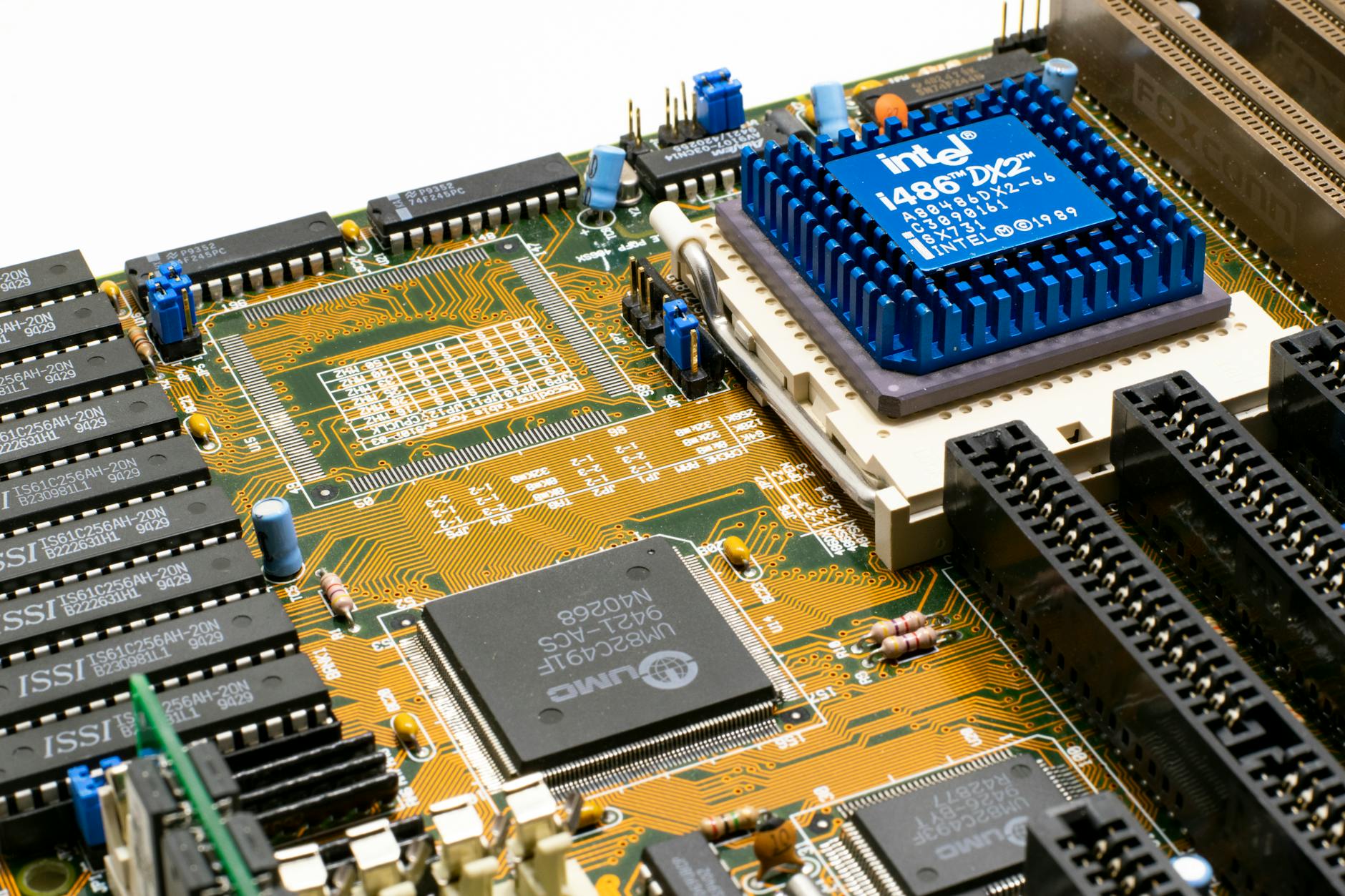
The timing of this technical warning proves particularly interesting given recent developments in semiconductor markets. Major chip companies have reported strong earnings, but guidance has become more cautious as customers work through existing inventory levels. This inventory digestion period typically precedes demand slowdowns in the cyclical semiconductor industry.
American chip stocks have also shown signs of technical fatigue after their remarkable run-up. The Philadelphia Semiconductor Index has struggled to maintain momentum above key resistance levels, with several individual names pulling back from recent highs. Trading volumes have decreased as institutional investors appear to be taking profits rather than adding positions.
The bearish reversal pattern in Korea’s market could represent an early warning system for similar technical deterioration in US semiconductor stocks. Historical precedent suggests that when major Asian technology markets begin showing weakness, American counterparts often follow within days or weeks.
Some analysts argue that the correlation between these markets has become so strong that technical patterns in one region now serve as leading indicators for the other. This interconnectedness means that investors focused solely on US markets may be missing important signals from overseas trading sessions.
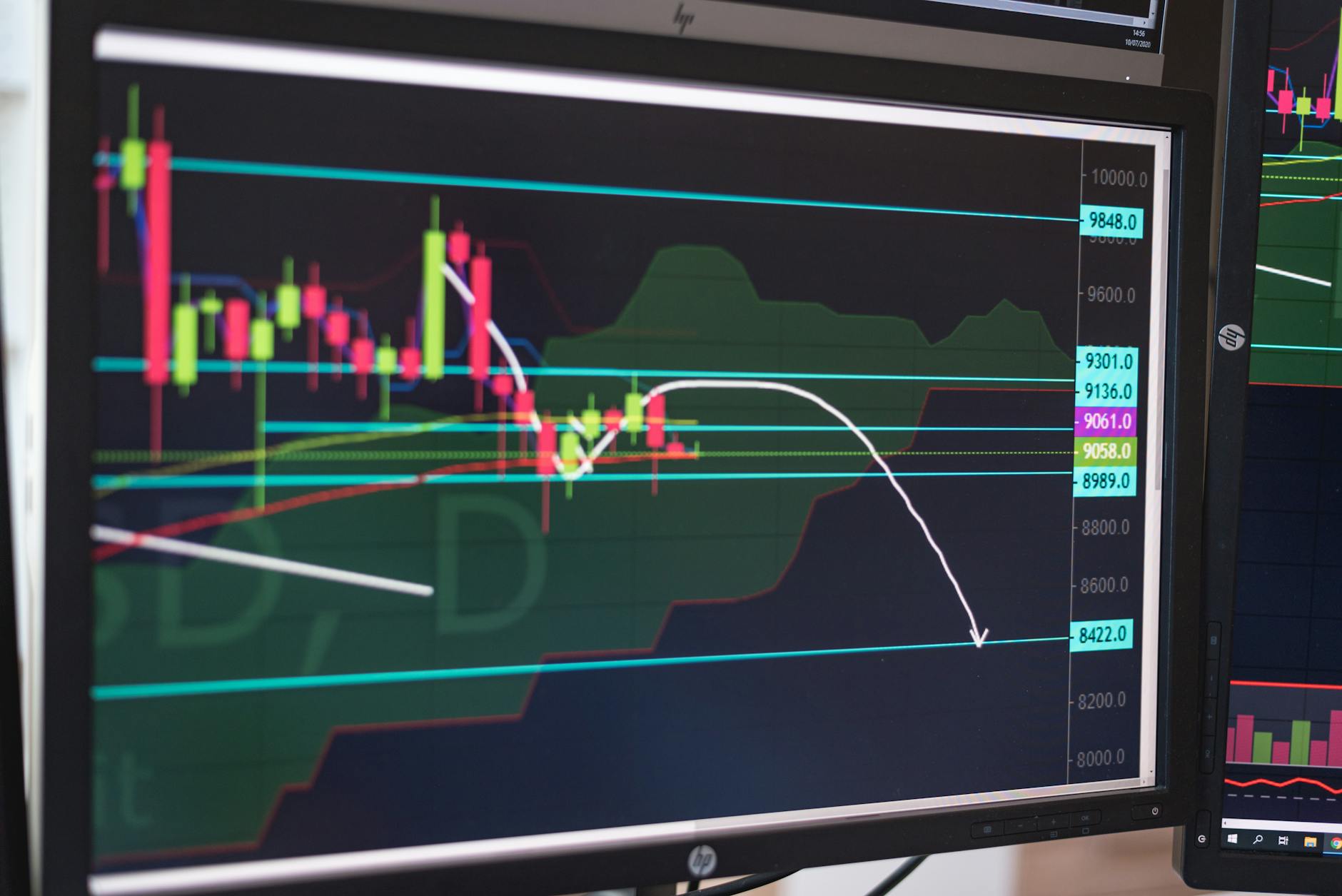
The semiconductor sector’s vulnerability to technical reversals stems partly from its momentum-driven nature and high concentration of algorithmic trading. When key technical levels break down, automated selling can accelerate quickly across global markets. Will American chip stocks prove resilient enough to break this historical correlation, or does the Kospi’s warning signal the beginning of a broader sector correction?