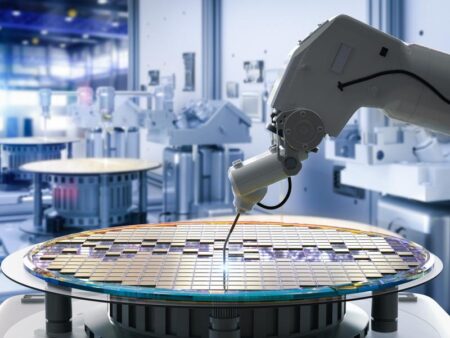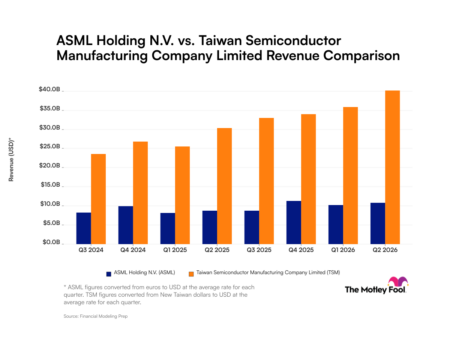



Taiwan Semiconductor Manufacturing Company (TSMC) controls the production pipeline for virtually every major AI processor, making it an essential pick for investors betting on artificial intelligence’s growth trajectory.
Manufacturing Monopoly in Advanced Semiconductors
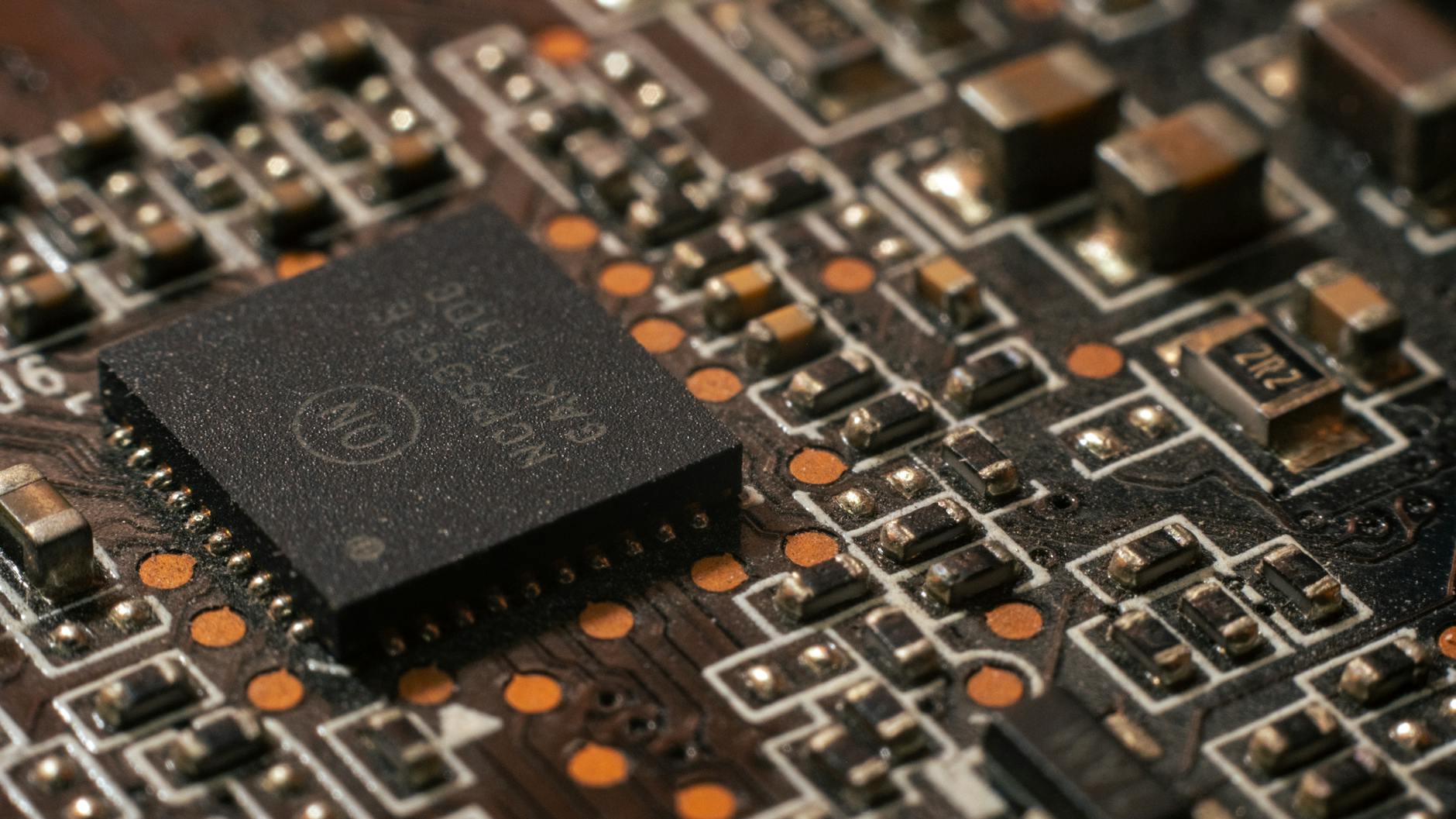
TSMC fabricates chips for Apple, NVIDIA, AMD, and dozens of other technology companies that lack their own manufacturing facilities. The company operates as the world’s largest contract chip manufacturer, producing approximately 90% of the most advanced semiconductors globally. These cutting-edge processors power everything from smartphones to data center servers running AI workloads.
The Taiwanese giant’s technological edge stems from its ability to produce chips using the most advanced manufacturing processes. While competitors struggle with 7-nanometer and 5-nanometer production, TSMC already ships 3-nanometer chips and continues research into even smaller geometries. Each generational leap delivers better performance and energy efficiency for AI applications.
Geographic concentration presents both opportunity and risk. TSMC’s facilities sit primarily in Taiwan, creating supply chain vulnerabilities that governments and companies actively monitor. Despite these concerns, no competitor matches TSMC’s combination of scale, technology, and manufacturing expertise.
The company’s capital expenditure plans reflect confidence in long-term demand. TSMC allocated over $40 billion for facility expansion and equipment upgrades in recent years, with significant portions dedicated to AI-optimized chip production capabilities.
AI Demand Drives Revenue Growth Across Segments
Artificial intelligence applications generate massive computational requirements that traditional processors cannot handle efficiently. Graphics processing units (GPUs) and specialized AI chips manufactured by TSMC address these needs, creating sustained demand for the company’s most profitable product lines. Data centers worldwide require constant hardware upgrades to support increasingly complex AI models.
TSMC’s revenue from high-performance computing platforms, which includes AI processors, grew substantially over the past two years. The segment now represents a significant portion of total sales, surpassing traditional smartphone chip revenue in some quarters. This shift toward higher-margin products improves overall profitability metrics.
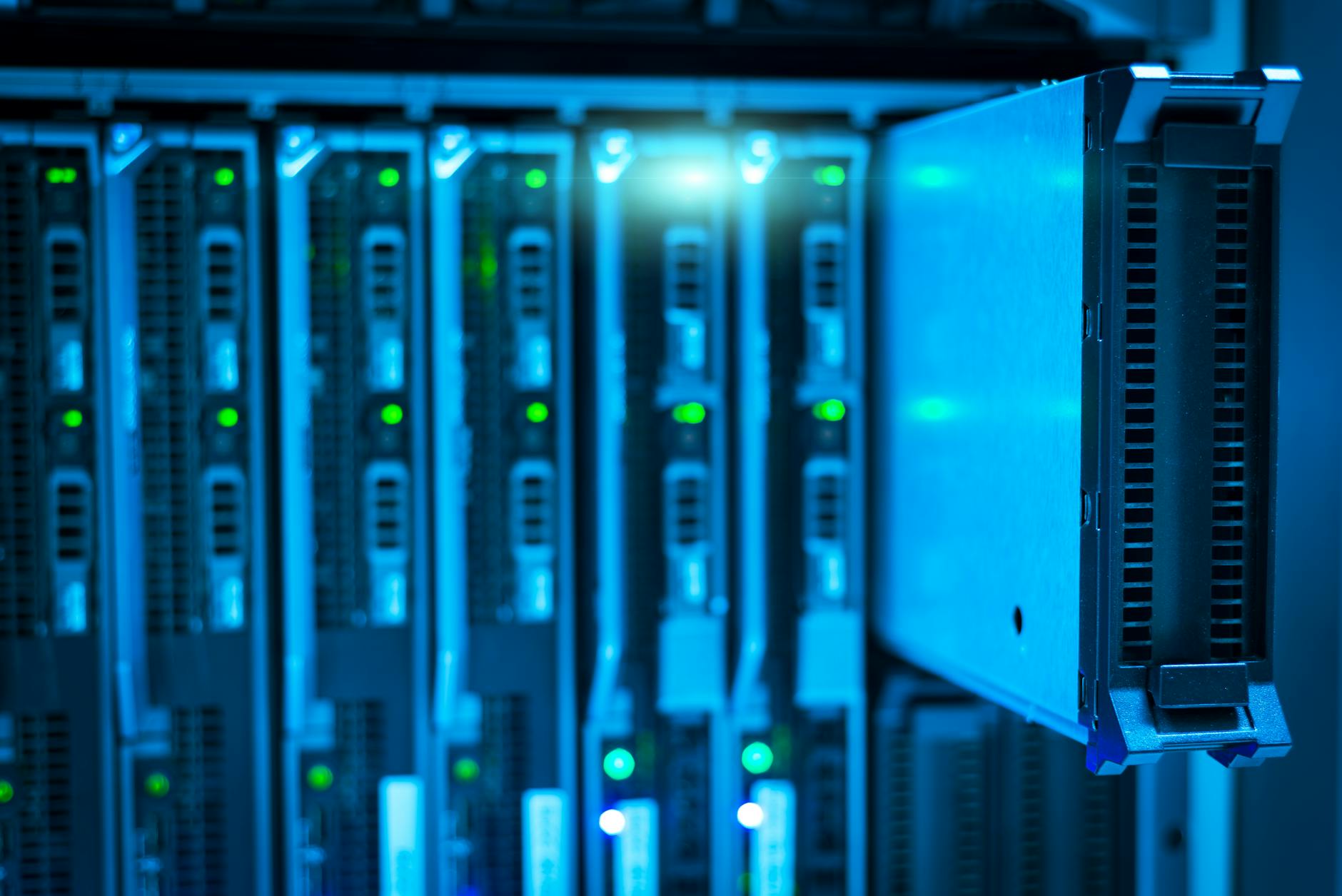
Major cloud providers like Amazon, Microsoft, and Google design custom AI chips that TSMC manufactures exclusively. These partnerships create predictable revenue streams and deeper customer relationships. Unlike commodity chip production, these specialized processors command premium pricing due to their technical complexity and limited alternative suppliers.
The automotive industry adds another growth vector as vehicles integrate more AI-powered features. Advanced driver assistance systems, autonomous driving capabilities, and in-vehicle computing all require sophisticated semiconductors. TSMC’s automotive revenue segment continues expanding as car manufacturers electrify their fleets and add intelligent systems.
Mobile device manufacturers also incorporate AI processing into smartphones and tablets. Camera systems, voice assistants, and on-device machine learning features drive demand for specialized mobile processors. TSMC manufactures the majority of these chips, benefiting from both unit volume growth and increasing silicon content per device.
Investment Considerations and Market Position
TSMC trades on both the Taiwan Stock Exchange and as American Depositary Receipts (ADRs) on the New York Stock Exchange. The ADR structure provides US investors with easier access while maintaining exposure to the company’s operational performance. Currency fluctuations between the US dollar and New Taiwan dollar can impact returns for American shareholders.
Geopolitical tensions surrounding Taiwan create ongoing uncertainty for investors. US-China relations, Taiwan’s political status, and semiconductor supply chain security remain active policy discussions. However, TSMC’s strategic importance to global technology companies provides some protection, as disrupting production would harm economies worldwide. Will this strategic importance shield the company from broader geopolitical risks, or does concentration in Taiwan represent an unavoidable vulnerability?