

A Defiant Stance, a Diplomatic Setting
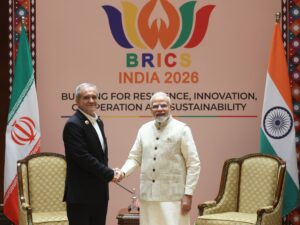
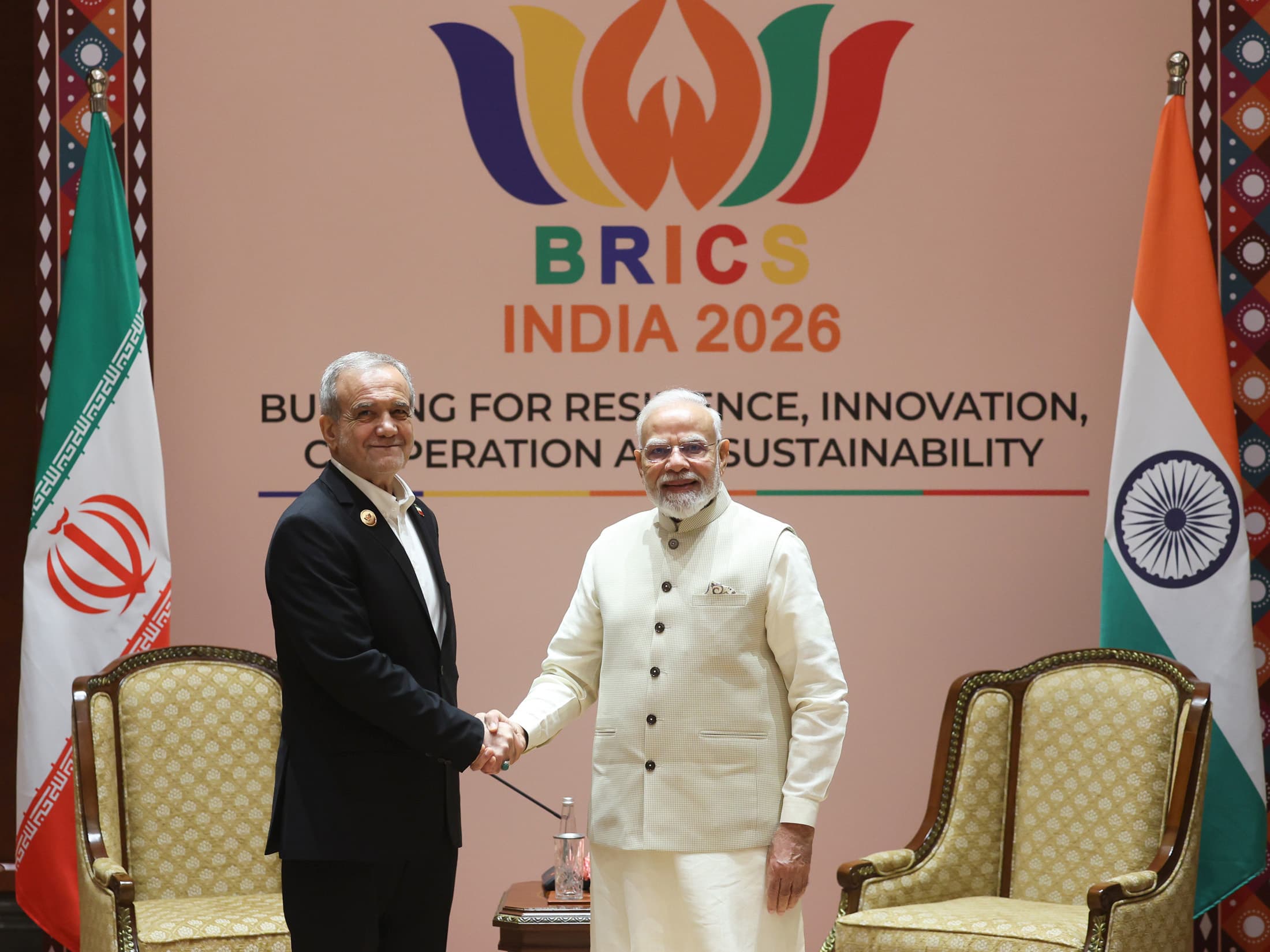
Iranian President Masoud Pezeshkian used his first official visit to India to deliver a pointed message: Iran will not surrender to the United States or Israel. The declaration came as New Delhi – hosting Pezeshkian for the first time since he took office – renewed its call for dialogue and peace in a region where armed conflict continues to reshape energy flows, trade corridors, and geopolitical alliances that matter directly to India’s economy.
The visit lands at a moment when the business calculus around Iran is extraordinarily difficult for countries like India, which has historically balanced relations with Tehran against pressure from Washington. Sanctions, oil imports, port access, and regional stability are not abstract foreign-policy concerns for New Delhi – they are line items.
What “No Surrender” Means for Markets
Pezeshkian’s language was unambiguous. No surrender. That framing, directed at both the U.S. and Israel, signals that Iran has no intention of altering its posture under current pressure – a position with real consequences for the businesses and governments that must operate around it.
For India, those consequences are layered. Iran sits at the western end of the International North-South Transport Corridor, a freight route that India has spent years developing as an alternative to traditional shipping lanes through the Suez Canal. Any escalation between Iran and either the U.S. or Israel puts that corridor at risk, which is precisely why Modi’s government has a financial interest in urging calm that goes well beyond diplomatic courtesy.
India imported significant volumes of Iranian crude before U.S. sanctions in 2018 and again after the 2019 tightening forced New Delhi to find alternative suppliers. The cost of that adjustment was measurable – Iran had offered discounted oil on favorable credit terms that Gulf suppliers do not match. Indian refiners have been acutely aware of what restored Iran access could mean for their input costs, which makes the current standoff a commercial problem as much as a political one.
Pezeshkian’s visit to India through the BRICS framework also matters for how trade gets denominated. BRICS nations have discussed, with varying degrees of seriousness, reducing dependence on the U.S. dollar in bilateral trade. Iran, under sanctions that restrict its dollar access, has a stronger motivation than most to see that conversation move from rhetoric to practice. Whether India is willing to go further on that front – given its own economic ties with Washington – remains an open question.

India Walks a Familiar Tightrope
Prime Minister Narendra Modi’s appeal for dialogue and peace during the visit is consistent with India’s long-standing preference for not being drawn into alignment on conflicts where it has interests on multiple sides. India buys weapons from Russia and the United States. It maintains relations with Israel and Iran. It needs Gulf Arab goodwill for its diaspora remittances and energy supply. Calling for peace is the one position that doesn’t foreclose any of those relationships.
That posture carries its own business logic. India’s foreign policy since independence has been built partly around preserving optionality – keeping corridors open, avoiding sanctions exposure, and maintaining access to as many markets and suppliers as possible. A rupture with Iran pushes Indian companies out of potential infrastructure contracts, energy deals, and the Chabahar port development, which India has invested in specifically to gain a foothold in the region that bypasses Pakistan.
The Sanctions Overhang
The harder problem for any Indian company looking at Iran is the sanctions architecture that the United States has built around Tehran. Secondary sanctions – penalties applied to non-American firms that do business with sanctioned entities – have kept most major Indian conglomerates well away from Iran, regardless of what any bilateral meeting produces. Pezeshkian can declare defiance, and Modi can call for peace, but neither statement changes the underlying legal exposure that an Indian bank or energy company faces if it moves money through an Iranian counterpart.
That gap between diplomatic signaling and commercial reality is where most of these visits stall. Indian officials can meet with Iranian counterparts, sign memoranda of understanding, and discuss port access – and have done so repeatedly over the past decade – but the volume of actual trade that follows tends to disappoint relative to the ambitions expressed in joint statements. The Chabahar port is itself an example: it received a limited U.S. sanctions waiver, but progress has been slower and investment smaller than India originally projected.
Pezeshkian’s defiance toward Washington, while domestically useful in Tehran, does not make that sanctions architecture easier to navigate. If anything, a harder Iranian line gives U.S. policymakers less domestic pressure to ease restrictions. For Indian businesses watching the visit, the political theater may matter less than what happens next in Vienna, Washington, or wherever the next round of nuclear-adjacent negotiations – if any – takes place.
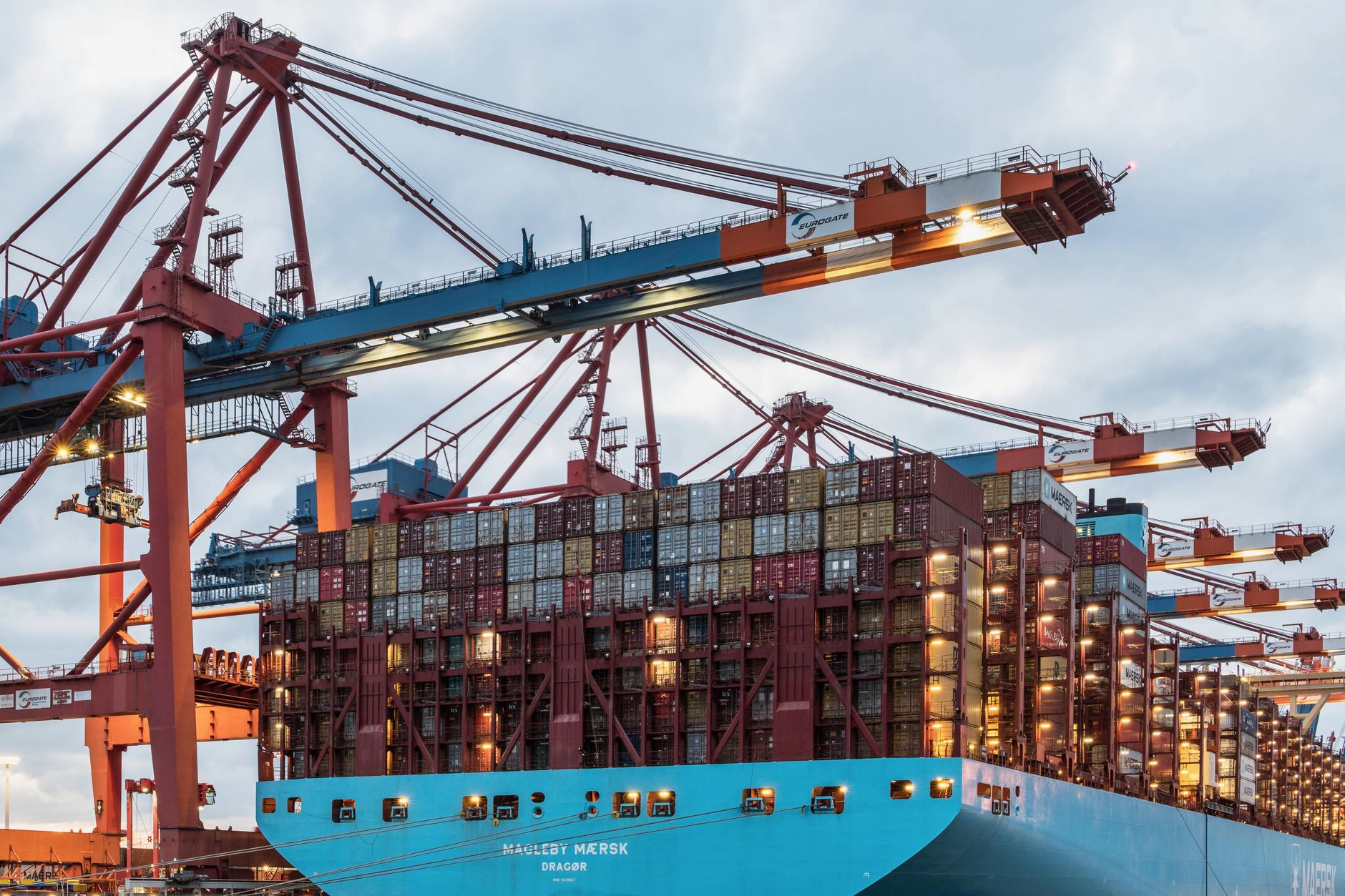
India and Iran share a long commercial history that sanctions have repeatedly interrupted. The question after Pezeshkian’s visit is whether any of the goodwill expressed in New Delhi can survive contact with that reality – or whether Indian companies are once again left watching a promising corridor close before it opens.