


A Workforce Pushes Back
Ground crew at Qantas Airways, Australia’s largest airline, voted overwhelmingly on Monday in favor of strike action, citing what they describe as “rock bottom” pay and deteriorating job conditions. The vote marks a formal escalation of a pay dispute that has been building within the airline’s ground operations workforce.
The ballot result does not immediately halt flights or operations, but it hands unions the legal authority to call work stoppages – a pressure point that could ripple through Qantas’s domestic and international schedules if negotiations don’t move quickly.
What the Vote Actually Means
A strike authorization vote in Australia’s industrial relations framework is a procedural step, not an immediate work stoppage. Workers vote to give their union the mandate to schedule protected industrial action, which can range from short stoppages and overtime bans to full walkouts. The vote’s margin matters: an overwhelming result signals unity within the workforce and strengthens the union’s hand at the bargaining table.
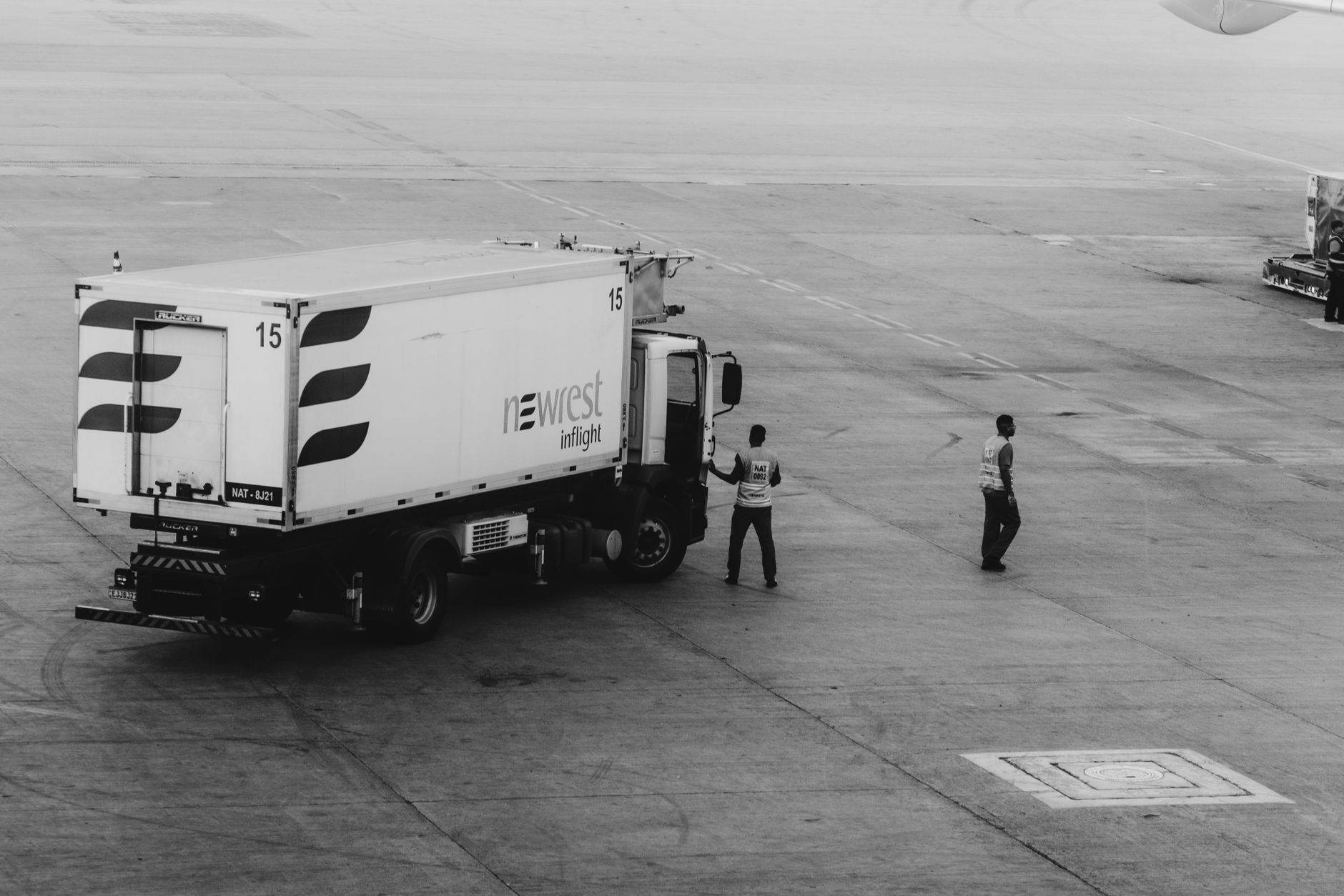
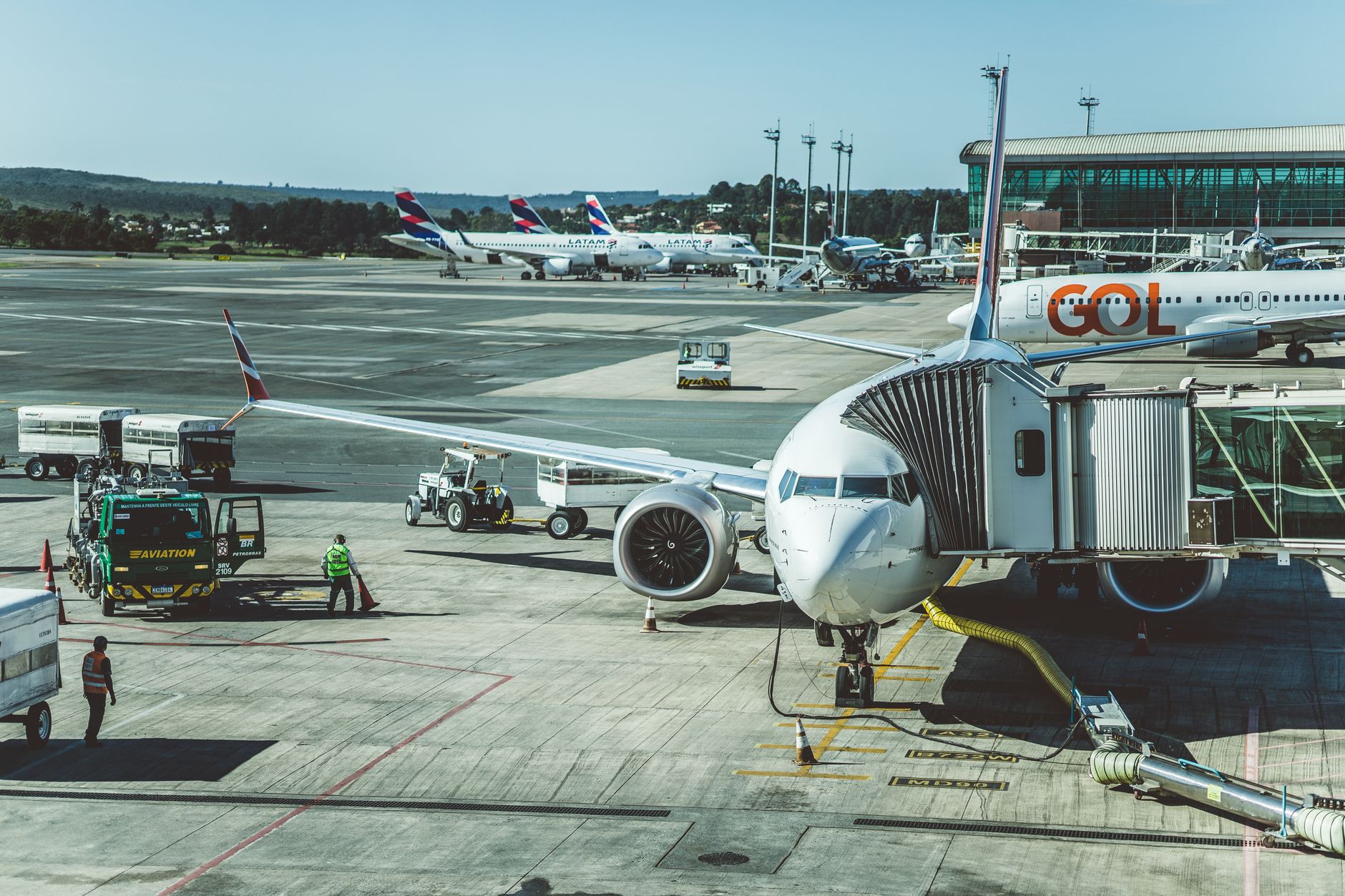
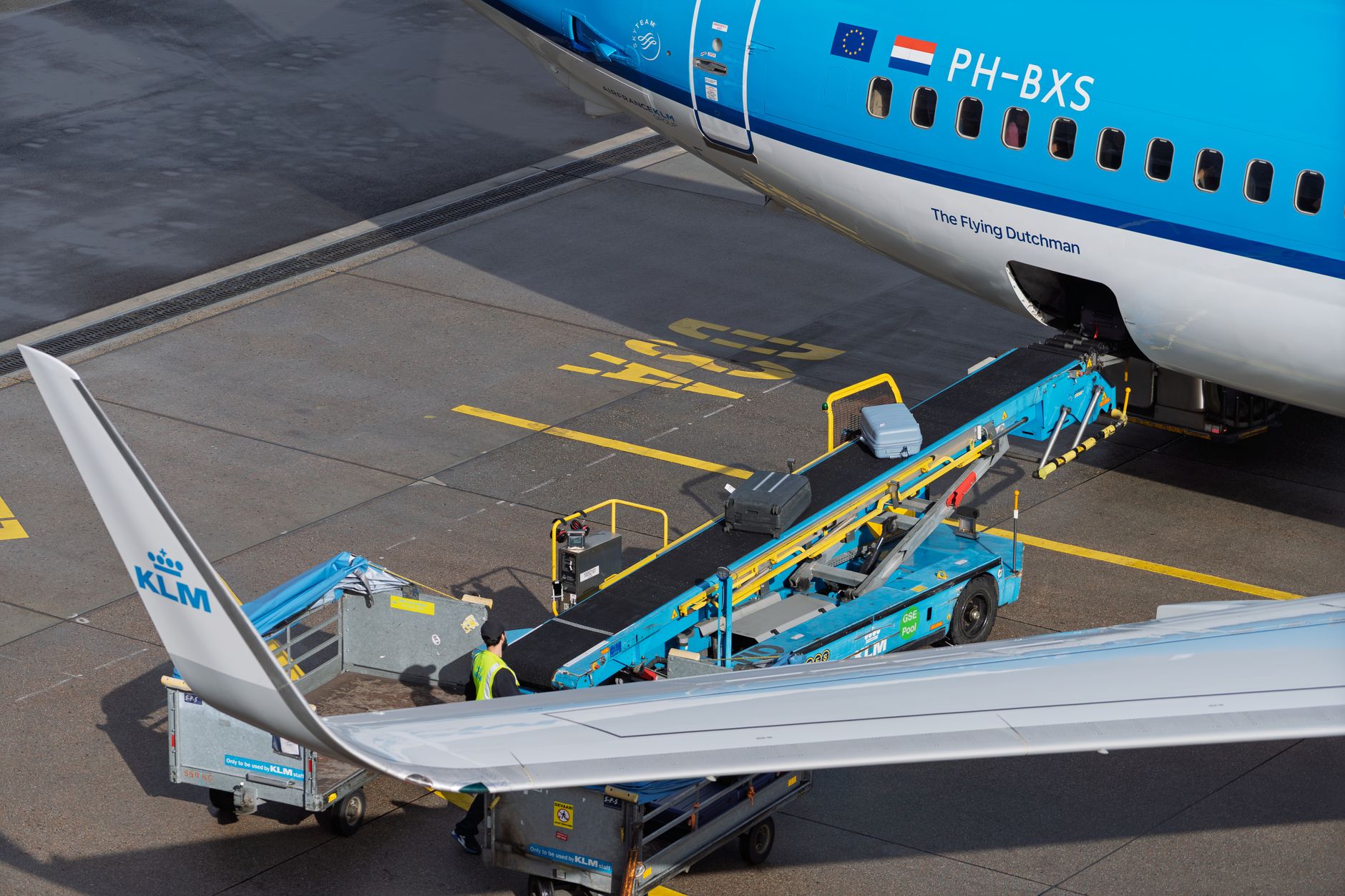
Ground crews perform some of the most physically demanding and operationally critical work at any airport – loading baggage, marshaling aircraft, refueling, and coordinating turnarounds that keep schedules intact. When that labor stops, aircraft stop moving. Airlines have historically settled ground crew disputes before full strikes materialize precisely because the operational consequences are immediate and visible to passengers.
Qantas has been navigating a complicated period with its workforce. The airline spent much of the post-pandemic years rebuilding operations after mass layoffs and outsourcing decisions that triggered legal battles, including a landmark ruling against Qantas for unlawfully outsourcing ground handling roles during the pandemic. That history makes this latest confrontation particularly charged – workers are bargaining not just over wages but over a relationship with management that has been strained for years.
The Pay Grievance
The phrase “rock bottom” used by ground crew to describe their pay reflects a gap between what workers say they’re earning and what they believe the role demands – or what Qantas’s recovering financial position can support. Qantas returned to profitability after the pandemic years and has since posted strong earnings, a fact that unions are likely to place at the center of any public argument for higher wages.
Airlines across the world have faced similar pressure from ground-level workforces since 2022, as inflation eroded real wages while airline revenues rebounded sharply. The disconnect between corporate recovery and worker compensation has become a recurring flashpoint across the industry.
Qantas’s Position and What Comes Next
Qantas has not publicly detailed its offer to ground crews, and the airline’s response to the strike vote was not disclosed in early reports. In past disputes, the airline has typically argued that its wage proposals are competitive within the market while unions counter that cost-of-living pressures have outpaced any increases on offer.
The timeline now shifts to union leadership, which must decide when and how to deploy the strike mandate. They may use it as leverage in accelerated talks, schedule rolling short stoppages to demonstrate resolve without causing maximum disruption, or call sustained action if negotiations stall. Each path carries different consequences for passengers, airport operators, and Qantas’s scheduling teams heading into what is typically a busy domestic travel season.
For Qantas management, the optics are difficult. The airline is simultaneously trying to rebuild public trust after years of customer complaints about cancellations, delays, and flight credits – problems that generated significant regulatory and political scrutiny in Australia. A strike by ground crews would add another layer of operational disruption at exactly the wrong moment for an airline attempting to restore its reputation as a reliable carrier.
The broader question sitting underneath this dispute is whether Qantas’s post-pandemic recovery has been distributed equitably across its workforce. Shareholders and executives have seen the airline return to form financially. Whether the workers on the tarmac feel that same recovery is, apparently, still very much in dispute – and now they have a vote to prove it.