

A 10% Premarket Jump Signals What Investors Had Been Waiting For
Dell Technologies opened Wednesday with its shares climbing nearly 10% in premarket trading, a move driven entirely by one thing: AI-optimized servers are selling faster than the company had previously planned for. The surge was enough to push Dell’s leadership to revise both its annual revenue and profit forecasts upward, a signal that enterprise hardware – long dismissed as a slow-growth category – is once again at the center of corporate spending decisions.
The revision matters because annual forecast increases at this stage of a fiscal year are not routine. Companies typically hold guidance steady unless underlying demand has shifted materially enough to make the old numbers look genuinely wrong.
Dell’s AI server business appears to have done exactly that.
What’s Actually Driving the Hardware Revival
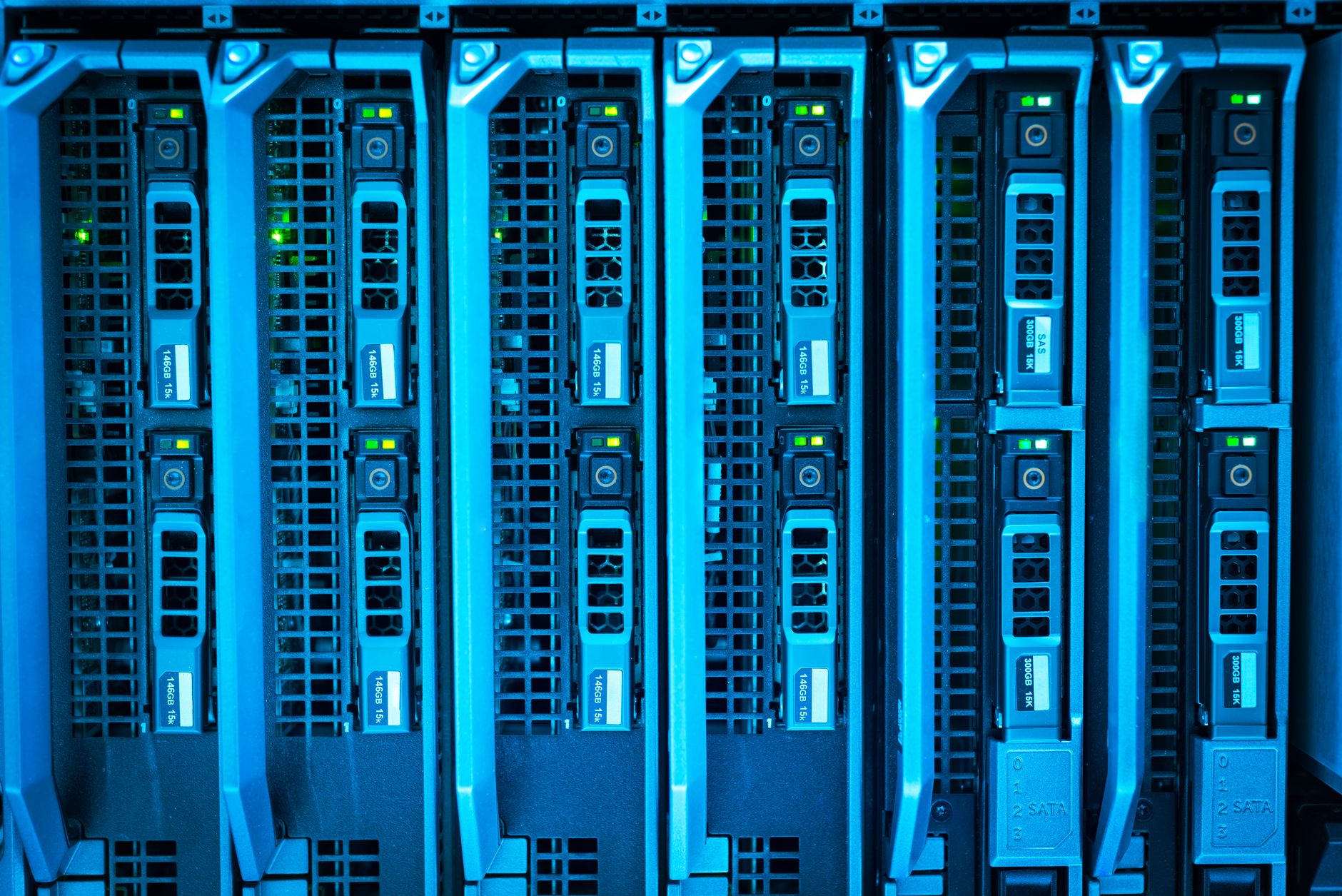
The broader context here is that AI infrastructure spending has been accelerating across large enterprises and cloud operators, and Dell sits in a direct line to capture that spending. Its AI-optimized servers – designed to handle the intensive computational loads that large language models and other AI workloads require – have become a meaningful revenue driver rather than a niche product line. The fact that demand was strong enough to move full-year forecasts suggests the order backlog isn’t a one-quarter blip.
Dell’s position is somewhat distinct from pure-play chip companies or hyperscalers. It sells the physical infrastructure that sits between the semiconductor and the end application – the servers, storage, and networking that organizations actually deploy on-premise or in co-location facilities. As more companies move AI workloads out of proof-of-concept phases and into production, that physical layer becomes unavoidable spending.
That dynamic is also why the stock reaction – nearly 10% in premarket – was sharp rather than measured. Investors had already been watching AI hardware names closely, and a guidance raise from a company of Dell’s scale confirms that the spending trend has durability, not just headline momentum. For those tracking whether enterprise AI adoption was translating into real hardware purchases, Wednesday’s premarket move was an answer. The ECB has separately flagged concerns about whether AI-driven equity rallies are pricing in too much too fast, but Dell’s updated forecast grounds at least part of that enthusiasm in booked demand.
Forecast Revisions and What They Imply for the Rest of the Year
Raising both revenue and profit guidance simultaneously is a stronger signal than moving one metric alone. Revenue increases can come with margin pressure if a company is discounting aggressively to win deals, or if the product mix shifts toward lower-margin hardware configurations. When profit forecasts rise alongside revenue, it suggests Dell is not sacrificing margin to chase volume – the demand is coming in at pricing that supports the bottom line.
For a company that operates across consumer PCs, commercial laptops, enterprise storage, and servers, the ability to raise full-year numbers based on one product segment also reflects how much AI server demand has grown as a share of Dell’s overall business. A year ago, that segment was notable but not yet large enough to move the full-year needle on its own. Now, apparently, it is.
The profit forecast revision will draw particular attention from analysts who have been modeling Dell’s margin profile through a period when PC demand has been inconsistent. Enterprise hardware, and specifically AI servers, carry different margin structures than consumer devices, and a favorable mix shift toward those products could improve Dell’s overall profitability even if other segments remain flat. That mix story – not just the revenue headline – is what the market appears to be pricing in Wednesday morning.

A Number That Still Has to Hold
Dell raised its annual revenue and profit forecasts on the strength of AI server demand that, as of Wednesday, is strong enough to move full-year guidance at a large, diversified hardware company. The premarket reaction of nearly 10% reflects investor confidence that the revised numbers are achievable – but a forecast raise is a forward commitment, and the next few quarters will show whether corporate AI infrastructure budgets continue expanding or whether the current pace of orders represents a pull-forward of demand that eventually plateaus. Dell has now set a higher bar for itself, and the AI server backlog either keeps refilling or it doesn’t.