


Tesla announced Tuesday it will pour nearly $250 million into expanding battery cell manufacturing at its German facility, marking the automaker’s latest bet on European production capacity. The investment targets the factory located outside Berlin, where Tesla has been building its presence in one of the world’s largest automotive markets.
The funding represents a significant commitment to the Gigafactory Berlin-Brandenburg, which has become central to Tesla’s European operations since production began. Tesla’s decision to deepen its investment in German manufacturing comes as electric vehicle competition intensifies across Europe.
Production Capacity Takes Priority
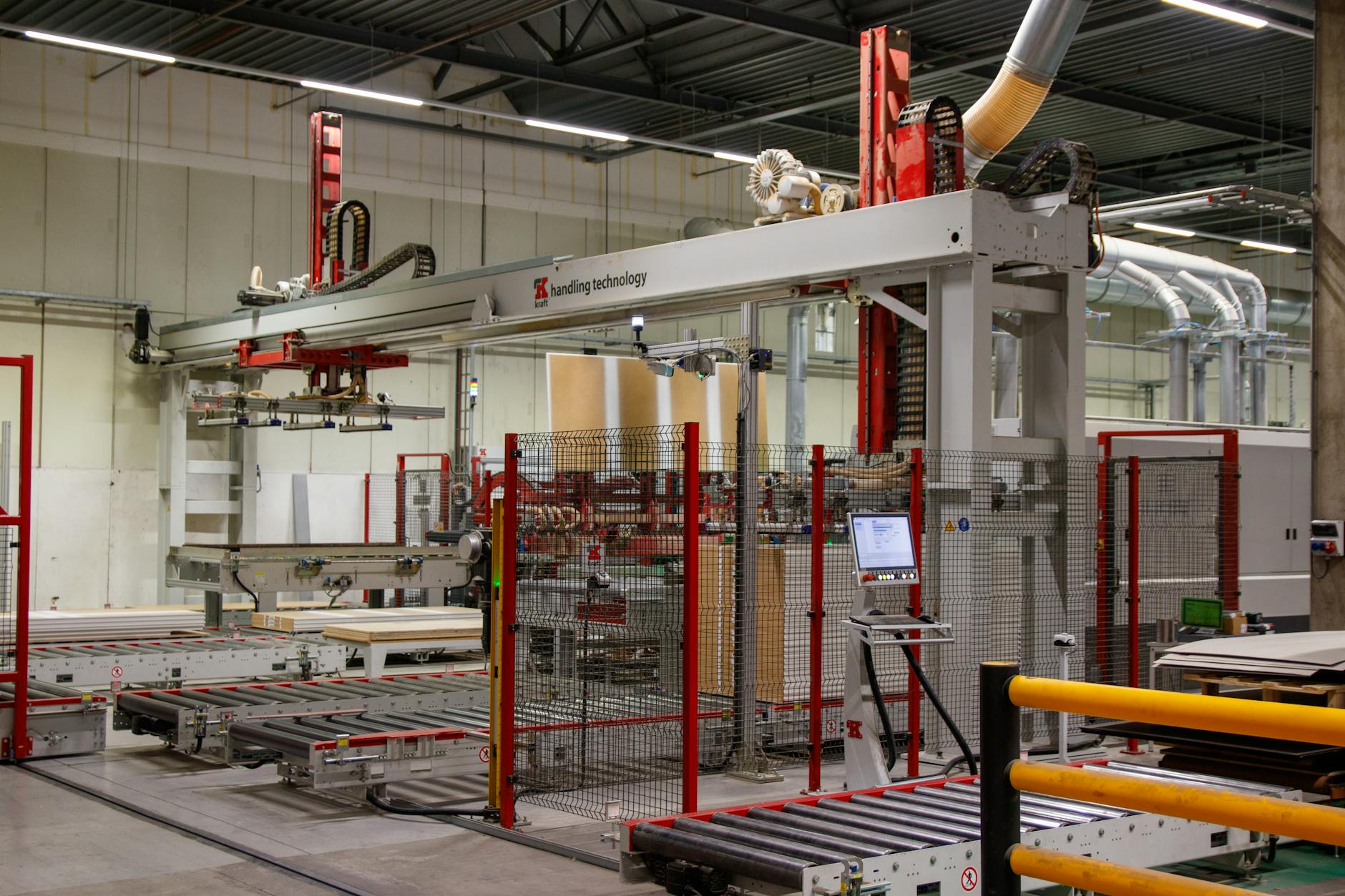
Battery cell production forms the backbone of Tesla’s manufacturing strategy, with the company controlling more of its supply chain than traditional automakers. The Berlin facility already produces vehicles for European markets, but this new investment specifically targets battery manufacturing capabilities rather than vehicle assembly lines.
Tesla’s approach differs from many competitors who rely heavily on external battery suppliers. By expanding internal battery production, the company maintains tighter control over costs and supply chain reliability. The $250 million injection suggests Tesla sees sustained demand for its vehicles in European markets, despite economic headwinds affecting the region.
German Factory Gains Strategic Weight
The Berlin facility has evolved into Tesla’s European manufacturing hub since overcoming initial regulatory hurdles. Local authorities had delayed the factory’s opening due to environmental concerns and permitting issues, but operations eventually commenced in 2022. The plant now serves markets across Europe, reducing shipping costs and delivery times compared to importing vehicles from Tesla’s other facilities.
Tesla’s German investment comes as European governments push aggressive electric vehicle adoption targets. The European Union has set ambitious goals for phasing out internal combustion engines, creating a regulatory environment that favors electric vehicle manufacturers. However, the transition has proceeded unevenly across different European markets.
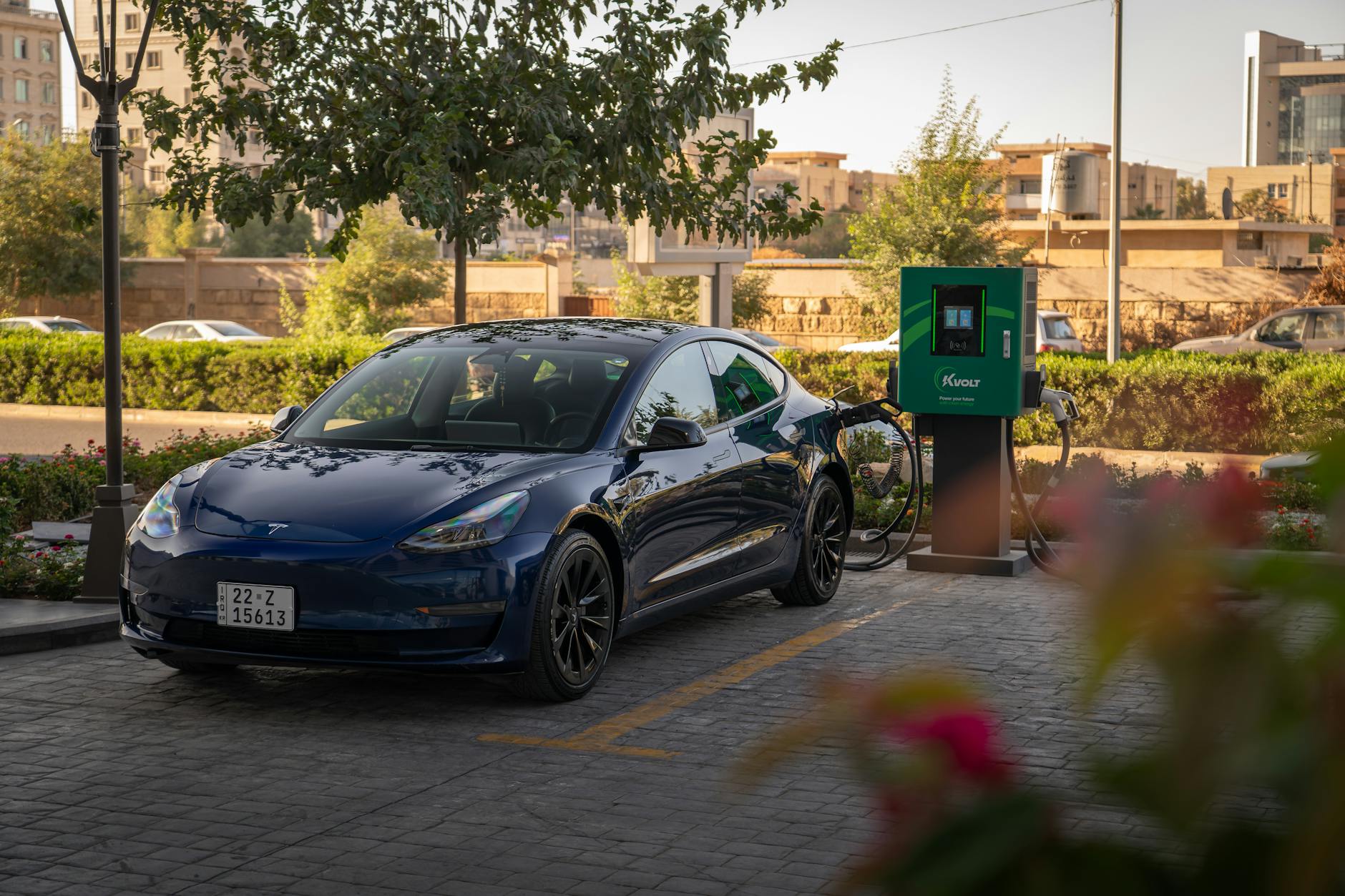
Competition in the European electric vehicle space has intensified rapidly. Traditional German automakers like BMW, Mercedes-Benz, and Volkswagen have launched their own electric vehicle lines, while Chinese manufacturers have also entered European markets with competitive pricing. This competitive pressure makes manufacturing efficiency and cost control increasingly important for Tesla’s European operations.
The battery investment also positions Tesla to potentially supply other manufacturers or energy storage projects in the region. Tesla has expanded beyond vehicle manufacturing into energy storage systems for utilities and commercial customers. European energy markets have shown growing interest in battery storage solutions, particularly as renewable energy sources like wind and solar require backup systems to manage intermittent generation.
Supply Chain Considerations Drive Investment
Global supply chain disruptions have highlighted the risks of depending on distant suppliers for critical components. Battery cells represent one of the most expensive and supply-sensitive components in electric vehicles. By expanding local production capacity, Tesla reduces exposure to shipping delays, trade disputes, and currency fluctuations that can affect imported components.
The investment timing coincides with ongoing discussions about European industrial policy and strategic autonomy in key technologies. European policymakers have expressed concerns about dependence on Asian suppliers for critical battery materials and components. Tesla’s expanded German production aligns with these policy preferences while serving the company’s operational needs.
Financial Implications and Market Position
Tesla’s $250 million commitment represents a substantial capital allocation decision during a period when the company faces multiple investment opportunities globally. The automaker has been expanding manufacturing capacity in various regions while also developing new vehicle models and autonomous driving technology. This German investment competes with other potential uses of capital within Tesla’s business.
The battery production expansion could improve Tesla’s cost structure in European markets by reducing logistics expenses and potential tariffs on imported components. European customers have shown strong appetite for Tesla vehicles, but price sensitivity remains a factor as more affordable electric options enter the market.
Tesla’s stock performance and financial health provide the company with flexibility for such investments, but shareholders will scrutinize whether the German expansion generates appropriate returns. The company must balance growth investments with profitability expectations, particularly as competition reduces pricing power in some markets.
Will Tesla’s deeper commitment to German manufacturing prove prescient as European electric vehicle adoption accelerates, or will intensifying competition limit the returns on this quarter-billion-dollar bet?