


Daniel Dines, the chief executive of automation software company UiPath, sold 1.4 million shares of company stock for $22.5 million, executing the transaction under a pre-arranged trading plan that insulates the sale from accusations of opportunistic timing.

The Mechanics of the Sale
The transaction was conducted under a Rule 10b5-1 trading plan – a legal structure that allows corporate executives to schedule stock sales in advance, at a time when they are not in possession of material non-public information. Once the plan is established, the sales execute automatically according to preset conditions, removing the executive’s discretion from the actual moment of the trade.
That distinction matters. When insiders sell outside of these plans, it tends to attract sharper scrutiny from investors and regulators alike, because the timing raises questions about what the seller might know. A pre-arranged plan doesn’t eliminate all questions, but it does establish that the decision to sell was made well before the sale occurred.
Dines built UiPath from a small Romanian software firm into one of the better-known names in robotic process automation – software that automates repetitive digital tasks like data entry, invoice processing, and system navigation. He retains approximately 26.5 million shares following the sale, a direct stake that represents roughly 5% of the company.
For a founder-led company, that kind of ownership concentration still signals meaningful skin in the game. At the same time, $22.5 million is not a trivial withdrawal, and any insider sale of that size tends to prompt investors to read between the lines, whether or not reading between the lines is warranted.

What the Numbers Say About His Position
Working backward from the reported figures: if Dines sold 1.4 million shares for $22.5 million, the effective price per share comes to approximately $16.07. That’s a relatively modest per-share price for a company that, at its peak in 2021, was trading above $80 per share. UiPath went public in April 2021 at a valuation that briefly made it one of the most richly priced software companies in the market before a prolonged sell-off followed.
Retaining 26.5 million shares at that same approximate price implies Dines still holds a direct position worth somewhere in the range of $425 million – making the $22.5 million sale look less like a strategic exit and more like ordinary portfolio liquidity. Executives with concentrated positions in single stocks frequently use 10b5-1 plans to diversify in a controlled, legally compliant way.
Still, the timing and scale of insider sales are data points that market participants track closely. There is an entire industry of analysts who monitor Form 4 filings – the SEC disclosures that executives must submit within two business days of a stock transaction – looking for patterns that might indicate insider sentiment about a company’s near-term direction. A single planned sale doesn’t reveal much. A cluster of sales by multiple insiders over a compressed period would be a different signal entirely.
Dines’s 5% stake, even after this sale, keeps him among the more heavily invested founder-CEOs in enterprise software. That’s relevant context. Executives who have reduced their ownership to a fraction of a percent while continuing to collect salaries and equity grants are structurally different from those who still hold significant personal wealth tied to the company’s share price. When Dines’s net worth rises and falls with UiPath’s stock, the incentive alignment is more direct than in cases where an executive has already cashed out the bulk of their position.
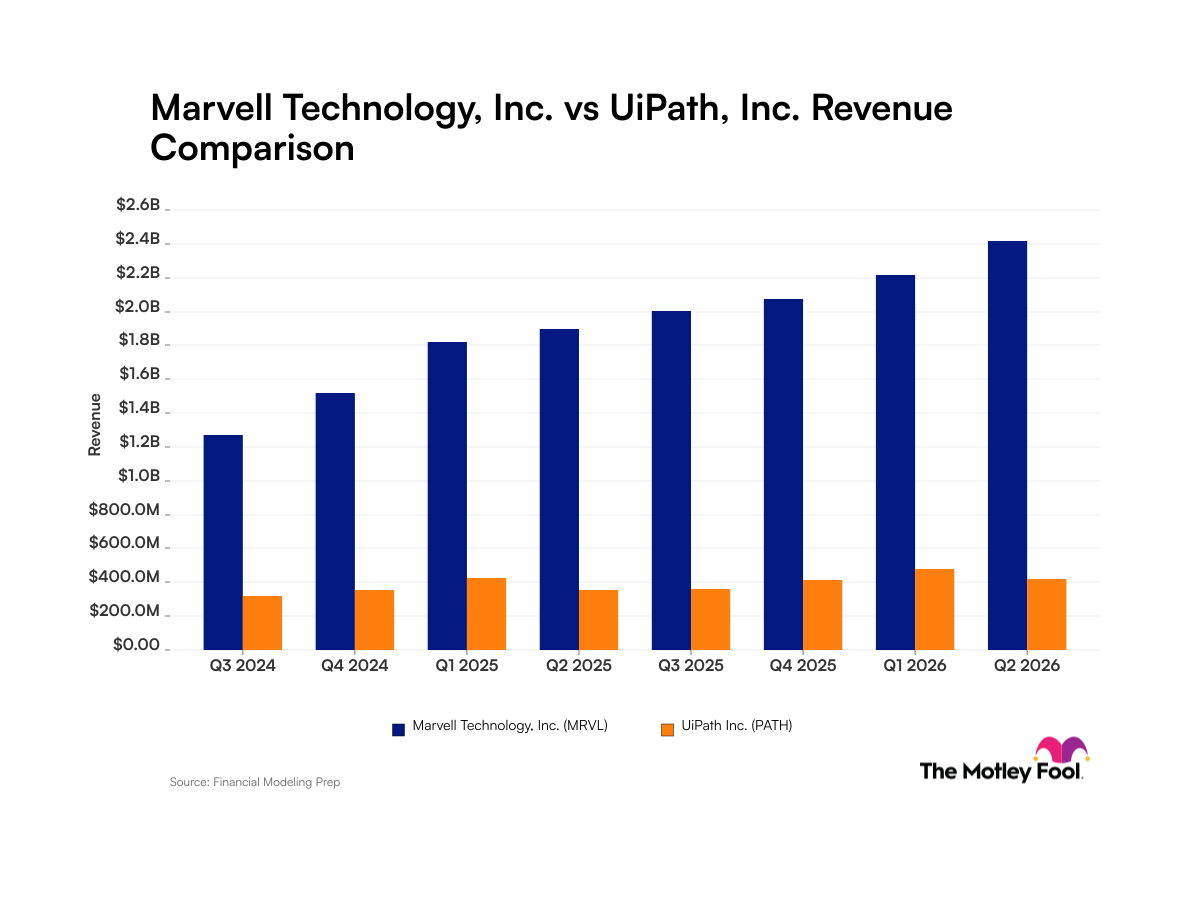
UiPath has faced real pressure since its public market debut. Competition in the automation space has intensified – from pure-play RPA vendors, from enterprise software giants adding automation features to their existing suites, and more recently from AI-driven workflow tools that promise to accomplish similar goals through different means. The company has had to continually articulate why its approach remains relevant as the technology landscape shifts underneath it. Other tech CEOs have similarly trimmed positions while retaining sizeable stakes, a pattern that reflects both personal financial planning and the long runway these executives expect to maintain in their roles.
A Stake Worth Watching
With 26.5 million shares still in hand, Dines has not reduced himself to a passive observer of UiPath’s fortunes. His financial outcome remains tightly bound to the company’s stock performance, and the pre-arranged nature of this transaction means it was planned during a period when he presumably had confidence – or at least not alarm – about what lay ahead for the business.
What investors will likely watch next is whether this sale is a one-time event within an ongoing 10b5-1 plan or the beginning of a more systematic reduction. Plans can be set up to execute multiple tranches of sales over months or years. If further Form 4 filings appear on a regular schedule, that would suggest a structured diversification program is underway. If the next filing takes considerably longer to arrive, the picture looks different – and the $22.5 million sale stands as a single data point rather than the opening move in a longer sequence.