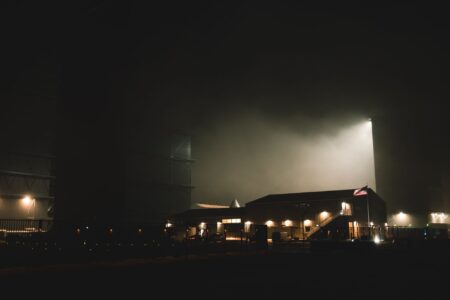



Major U.S. Cities Choke Under Wildfire Smoke
Chicago, Detroit, Minneapolis, and New York City were ranked among the world’s most polluted cities on Thursday, as wildfire smoke blanketed the urban centers in conditions that health officials describe as a growing cardiovascular threat.
What the Air Quality Data Actually Shows
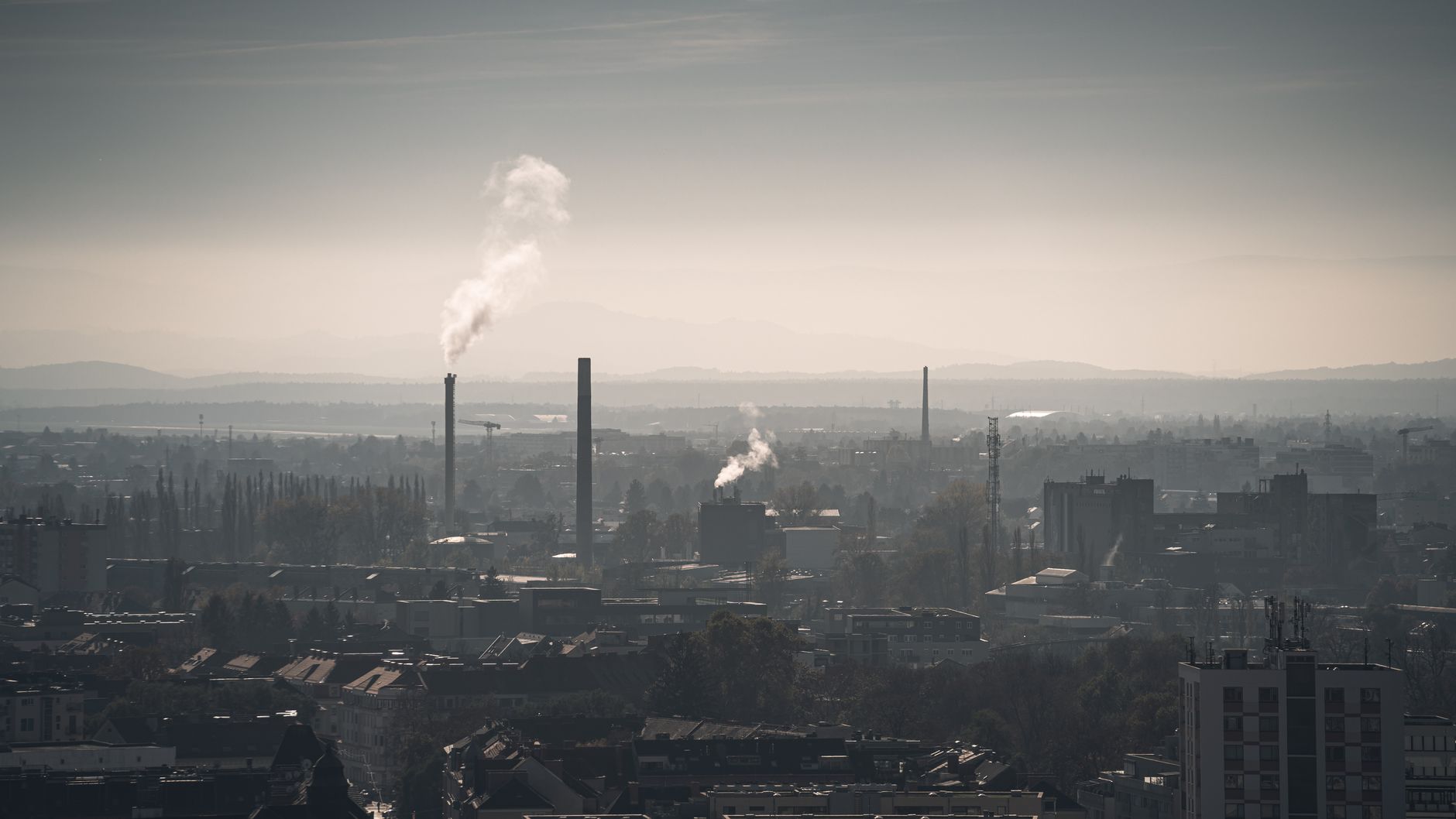
The designation is not a minor footnote. Being counted among the world’s most polluted cities on any given day puts these American metros in company typically associated with industrial corridors in South Asia and Southeast Asia – not the Great Lakes or the Northeast. That these cities landed there because of wildfire smoke, rather than chronic industrial emissions, signals how dramatically seasonal fire events have begun reshaping the air quality picture across North America.
Wildfire smoke carries fine particulate matter, known as PM2.5, which penetrates deep into lung tissue and enters the bloodstream directly. This is why the threat is cardiovascular, not merely respiratory. The particles are small enough – 2.5 micrometers or less in diameter – to bypass the body’s normal filtering mechanisms in the nose and throat entirely, reaching the heart and circulatory system in ways that coarser pollutants do not.
Chicago and Detroit sit downwind of fire corridors that stretch across Canada, and prevailing wind patterns during summer months funnel smoke directly into both metro areas. Minneapolis faces a similar geographic reality, positioned in the upper Midwest where Canadian smoke descends frequently during dry seasons. New York City’s inclusion is notable because of its population density – even moderate air quality deterioration there affects millions of people simultaneously, compressing health impacts into one of the continent’s most concentrated urban footprints.
Thursday’s conditions were severe enough to earn global ranking, which means the air quality index readings in these cities exceeded those of the vast majority of metropolitan areas worldwide at that moment. That kind of acute spike is different from the chronic pollution that plagues cities in developing industrial economies, but the physiological damage from short-term high-exposure events is real, particularly for people with existing heart or lung conditions, older adults, and children.
The Cardiovascular Angle That Gets Underreported
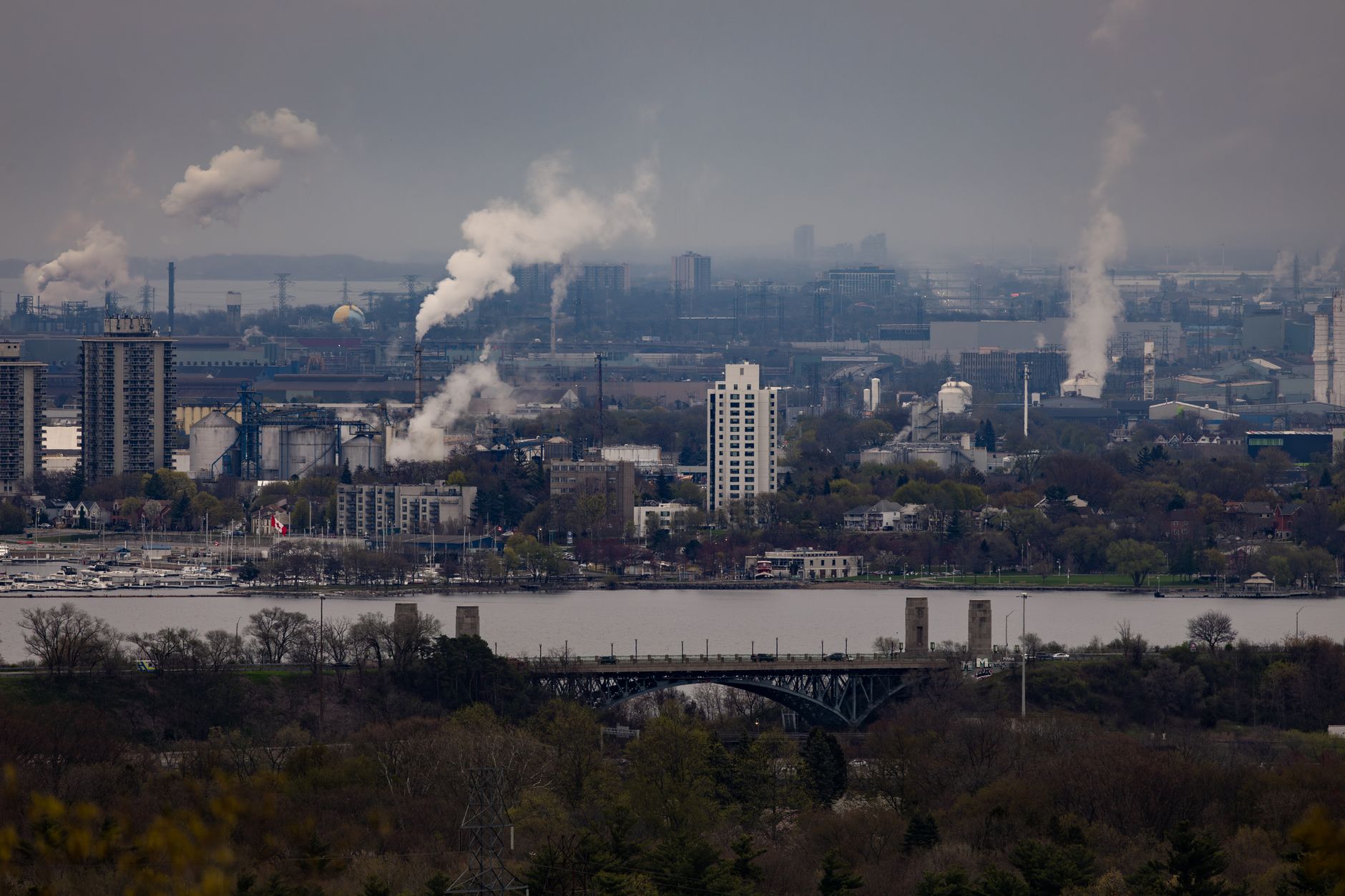
Most public communication around wildfire smoke focuses on breathing – coughing, irritation, asthma triggers. The cardiovascular dimension is less discussed but increasingly documented. Fine particulate matter from smoke causes inflammation in blood vessels, raises the risk of clotting, and has been associated with elevated rates of heart attack and stroke during heavy smoke events. Calling it “a growing cardiovascular threat,” as officials did Thursday, reflects years of accumulated research connecting air quality spikes to emergency cardiac events in the days that follow.
For cities like Chicago and New York, where large populations include residents with hypertension, diabetes, and coronary artery disease, a single day of world-ranking pollution exposure is not trivial. Emergency room data from previous major smoke events in U.S. cities has shown measurable upticks in cardiac-related visits within 24 to 72 hours of significant air quality degradation. The burden does not fall evenly – lower-income neighborhoods tend to have less access to air filtration, less ability to stay indoors, and higher baseline rates of the underlying conditions that make PM2.5 exposure more dangerous.
Detroit’s inclusion is particularly pointed. The city already carries a legacy of industrial air quality challenges, and layering wildfire smoke on top of baseline pollution levels means the cumulative exposure for residents is compounded. When smoke events hit cities with already-stressed air quality baselines, the index readings at any given moment understate the aggregate health burden residents are absorbing over weeks and months.
Minneapolis, by contrast, generally benefits from cleaner baseline air than Detroit or Chicago. But Thursday’s conditions erased that advantage entirely, dropping the city into the same global pollution tier as places that struggle with air quality year-round. The speed at which a smoke plume can erase a city’s air quality standing – from clean to globally ranked polluted in hours – is part of what makes wildfire smoke events difficult to prepare for and communicate around.
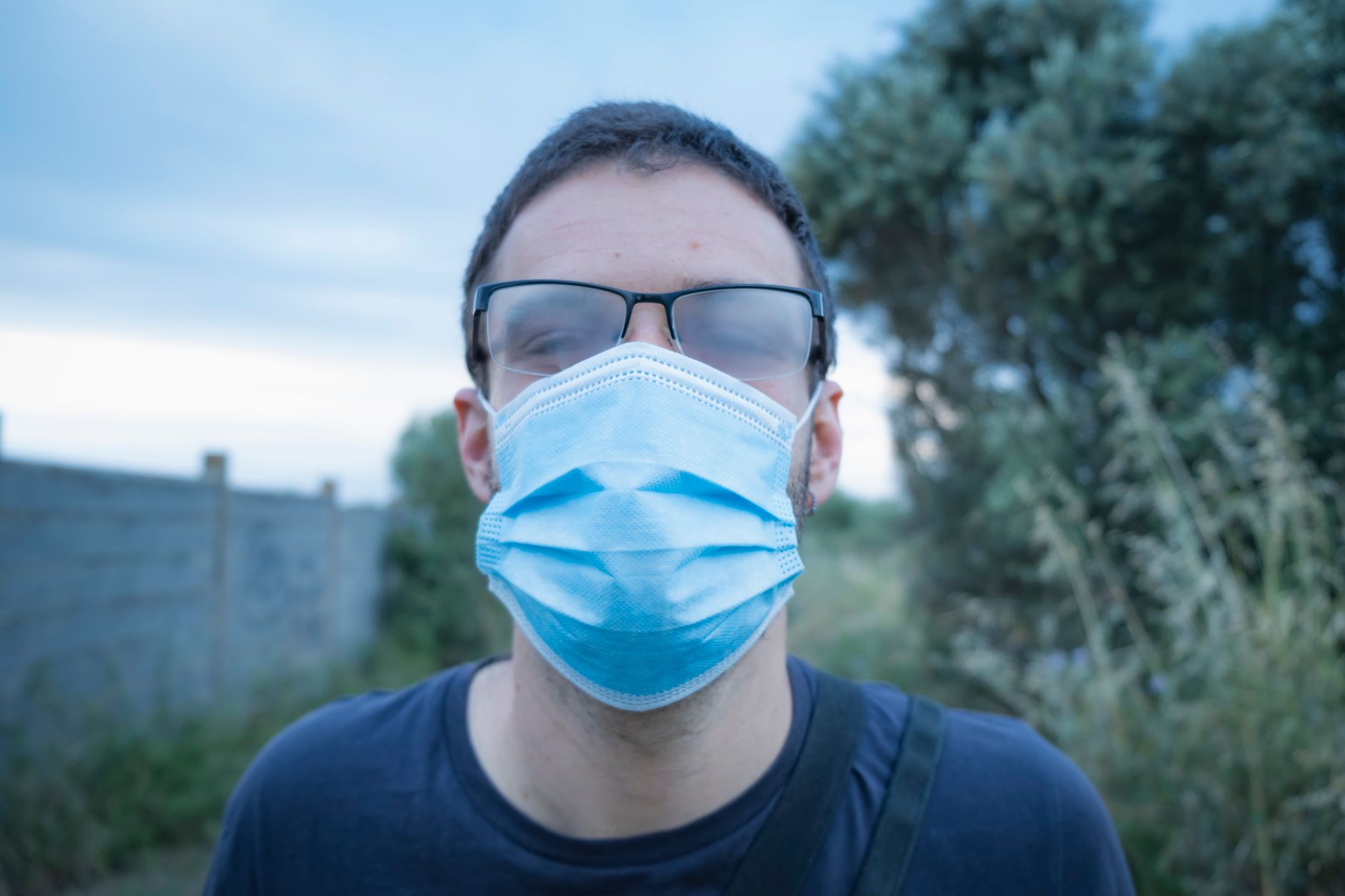
What practical steps matter on days like Thursday? Staying indoors with windows closed, running air purifiers with HEPA filters if available, wearing N95 or KN95 masks outdoors, and avoiding strenuous outdoor activity are the standard recommendations. For people with cardiovascular or respiratory conditions, the advice is more urgent: contact a physician if symptoms develop, limit outdoor exposure even briefly, and treat the day the way someone in a high-risk group would treat a severe weather event.
A Pattern That Is Getting Harder to Dismiss
Thursday was not an isolated incident. U.S. cities have faced recurring wildfire smoke events over the past several years, with episodes that once seemed limited to Western states now reaching the Midwest and East Coast with regularity. The fact that four major cities – Chicago, Detroit, Minneapolis, and New York City – landed simultaneously among the world’s most polluted speaks to the geographic scale that modern fire seasons can achieve when conditions align.
Whether the answer lies in land management, emissions policy, urban infrastructure, or some combination of all three is a debate that extends well beyond a single smoky Thursday. What is not debatable is that residents of those four cities woke up that morning breathing air that the rest of the world would recognize as hazardous – and that the cardiovascular consequences of that exposure will not show up immediately in any single data report, but in emergency room logs and mortality statistics weeks later.