


A Crowded Morning for Markets
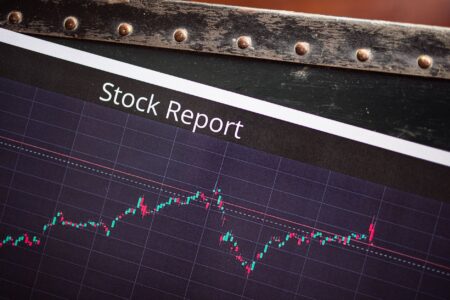
U.S. stock index futures turned mixed on Tuesday as traders positioned themselves ahead of two events capable of moving markets in opposite directions: a fresh inflation reading and earnings reports from the country’s largest banks. Neither alone would have been easy to navigate, but the simultaneous arrival of both – layered on top of escalating U.S.-Iran tensions – made for an unusually loaded open.
Oil prices surged on the geopolitical friction between the U.S. and Iran, adding a new complication to an inflation picture that investors were already watching closely. Rising energy costs feed directly into consumer prices, meaning a single diplomatic headline can tilt the math on what the Federal Reserve does next.

What the CPI Report Could Settle – and What It Won’t
The Consumer Price Index release due Tuesday carries more weight than a typical monthly data point. After months of debate about whether inflation was cooling fast enough for the Fed to cut rates, the report lands at a moment when the argument is genuinely unresolved. A hotter-than-expected print would strengthen the case for holding rates higher for longer. A softer number would hand ammunition to those pushing for cuts.
The complication is that even a favorable CPI reading could be undermined by what is happening in oil markets. Energy prices are one of the more volatile components of the inflation index, and a sustained move higher in crude – driven by geopolitical risk rather than demand – can reverse progress on disinflation quickly. Investors who arrive at Tuesday’s open hoping for clarity may find themselves reading two contradictory signals at once.

Bank Earnings Add Another Variable
Wall Street’s biggest banks are also reporting earnings Tuesday, and their results will do more than reveal quarterly profit figures. Bank earnings at this stage of the cycle function as a diagnostic – they reflect how consumers and businesses are actually behaving under the weight of elevated interest rates, not how economists expect them to behave.
Net interest income, credit quality, and forward guidance from major lenders will each be read as signals about whether the economy is absorbing higher borrowing costs without cracking. Strong results could offset some of the anxiety surrounding inflation and geopolitics. Weak guidance, particularly on consumer credit, would reinforce concerns that the economy is slowing faster than the data currently suggests.
Bank stocks have been caught between competing forces for most of the year. Higher rates initially boosted net interest margins, but as rates have stayed elevated and the rate-cut timeline has shifted repeatedly, the calculus has grown messier. Loan demand has softened in some segments, and provisions for credit losses have drawn attention at several institutions. What the biggest banks say Tuesday about the second half of the year matters as much as what they earned in the first.
The BIS has already flagged debt loads as a stress point in the global financial system, which gives bank commentary on credit conditions an audience well beyond Wall Street traders.
Iran Tensions Push Oil Into the Equation
The surge in oil prices tied to U.S.-Iran tensions arrived at a particularly awkward moment. Energy markets had been relatively contained in recent weeks, giving the Fed and investors some relief on one of the more unpredictable inflation inputs. That buffer eroded Tuesday morning as geopolitical risk pushed crude higher.
Sustained oil price increases work through the economy with a lag, meaning even a short-term spike can show up in future inflation readings long after the headline that caused it has faded.
Futures Signal Indecision
The mixed positioning in stock index futures heading into Tuesday’s session is less a directional call than an honest acknowledgment that the market is simultaneously waiting on too many things. CPI, bank earnings, and an oil spike driven by foreign policy tensions don’t arrive with a clean combined signal – they pull against each other, and whichever force dominates the session will likely come down to the magnitude of individual reports rather than any broad narrative shift.
If inflation data comes in cooler and bank earnings hold up, the oil story may get discounted as noise. If CPI disappoints or a major bank cuts its outlook, the oil move will amplify rather than fade. By midday Tuesday, traders will have most of the data they need – the question is whether they’ll agree on what it means.
The last time markets faced a comparable cluster of simultaneous catalysts, the dominant move came not from the expected source but from a single line in a bank CEO’s forward guidance that no pre-market positioning had accounted for.