

A Government in Motion
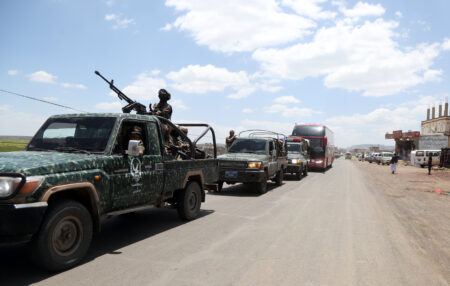
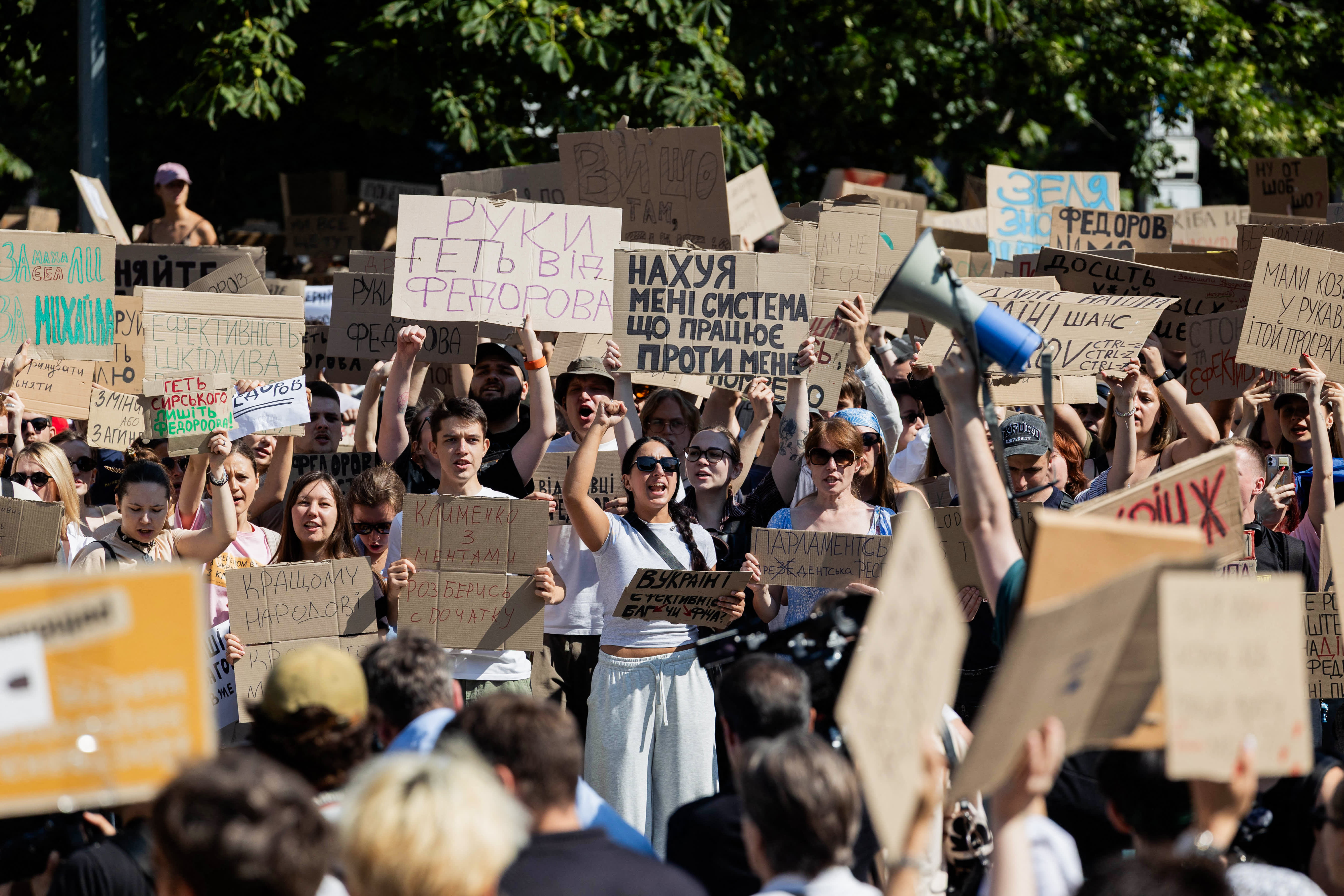
Ukrainian President Volodymyr Zelenskyy removed his defense minister in a surprise shake-up that caught observers off guard and prompted some citizens to call for peaceful protests. The dismissal arrived in close succession with another significant departure: Ukraine’s parliament had already accepted the resignation of Prime Minister Yulia Svyrydenko, compressing two major political exits into a narrow window of time.
For Ukraine’s wartime economy and its international financial relationships, leadership continuity at the top of government is not an abstract concern. Defense spending commands the largest share of state resources, and the identity of those controlling procurement, contracts, and military budgeting carries direct consequences for how billions in foreign aid are allocated and accounted for.
What the Departures Mean for Ukraine’s Fiscal Architecture
Ukraine has operated under extraordinary fiscal pressure since the full-scale conflict began, depending heavily on external financing from the United States, the European Union, and multilateral lenders including the International Monetary Fund. The defense ministry sits at the center of that spending apparatus, managing contracts with domestic and foreign suppliers, overseeing weapons procurement pipelines, and interfacing with allied governments that attach strict accountability requirements to their financial transfers. A change at the top of that ministry does not simply reshuffle personnel – it interrupts institutional relationships that take months to rebuild.
Svyrydenko’s exit from the prime minister’s office adds a second layer of disruption. As the official responsible for coordinating economic policy and managing Ukraine’s reconstruction agenda, her departure leaves a gap at the precise moment when international creditors are watching governance signals closely. The IMF’s ongoing program with Ukraine requires demonstrated commitment to anti-corruption measures and fiscal transparency, and personnel instability at the cabinet level is the kind of development that financial monitors note even when they do not say so publicly.
The timing of both resignations – occurring within a compressed period – raises questions about whether these moves reflect a deliberate strategic realignment by Zelenskyy or a response to pressures that have not yet been fully disclosed. Governments rarely schedule simultaneous leadership changes at the defense and prime ministerial level without a specific political logic driving the sequence.

Protests and Political Risk
The calls for peaceful protest that emerged following Zelenskyy’s dismissal of the defense minister introduce a variable that Western financial partners will be monitoring carefully. Ukraine’s access to continued budget support from the EU and the U.S. has always rested partly on the country’s democratic legitimacy – the argument that the country is worth supporting because its population backs its leadership and its stated values. Visible domestic dissent, even at modest scale, complicates that narrative.
It is worth noting that protest calls in a wartime environment carry a different weight than they would in peacetime. The population’s tolerance for political disruption has been shaped by years of conflict, and a call for peaceful demonstration is not the same as a collapse of public confidence. Still, the signal matters to bond markets and to the foreign governments currently deliberating over the next tranches of financial assistance.
The Business of War Governance
Defense ministries in active conflict zones are, in functional terms, the largest procurement operations their governments run. Ukraine’s ministry has been responsible for sourcing everything from artillery shells to drone components, and the contracting relationships involved span multiple continents. When leadership changes, suppliers, logistics firms, and foreign government liaisons all face a period of uncertainty about whom they are dealing with and what existing agreements will be honored or renegotiated.
For Ukrainian state-owned enterprises and private defense contractors operating within the country, the shake-up introduces near-term planning risk. Companies with active supply contracts tied to ministry approvals may face delays in authorization cycles while new leadership establishes its priorities. Foreign firms that have recently entered Ukraine’s defense-industrial base under reconstruction and rearmament initiatives face similar ambiguity.
Svyrydenko’s tenure as prime minister had been associated with efforts to attract foreign direct investment into Ukraine’s reconstruction economy, a portfolio that included engagements with European energy companies, construction groups, and infrastructure financiers. Her resignation removes a familiar face from those ongoing negotiations, and her successor will need time to establish comparable credibility with the international business community.
Ukraine’s central bank and finance ministry remain in place for now, providing some continuity for the macroeconomic framework that underpins foreign lender confidence. Central bank relationships with international monetary institutions have become increasingly important as Ukraine navigates the balance between wartime spending and currency stability. Whether the defense and prime ministerial changes create turbulence at that level depends on who fills the vacant roles and how quickly they are confirmed.
The protest calls remain the sharpest unknown. They have not yet materialized into organized action, but their existence – and the political frustration they signal – is now part of the equation that every financial partner Ukraine has must factor into its calculations going forward.