


A $2-Per-Share Beat and a Supply Chain Bottleneck
Zebra Technologies delivered one of the sharper earnings surprises of the year on August 4, 2026, with the company’s stock climbing 20% in a single session after reporting results that blew past its own guidance by nearly $2 per share. That kind of gap between what management projected and what actually landed on the income statement is rare, and investors priced it in immediately. The company also raised its full-year outlook by 13%, signaling that the outperformance was not a one-quarter fluke.
What makes this story unusual is the constraint sitting at the center of it.
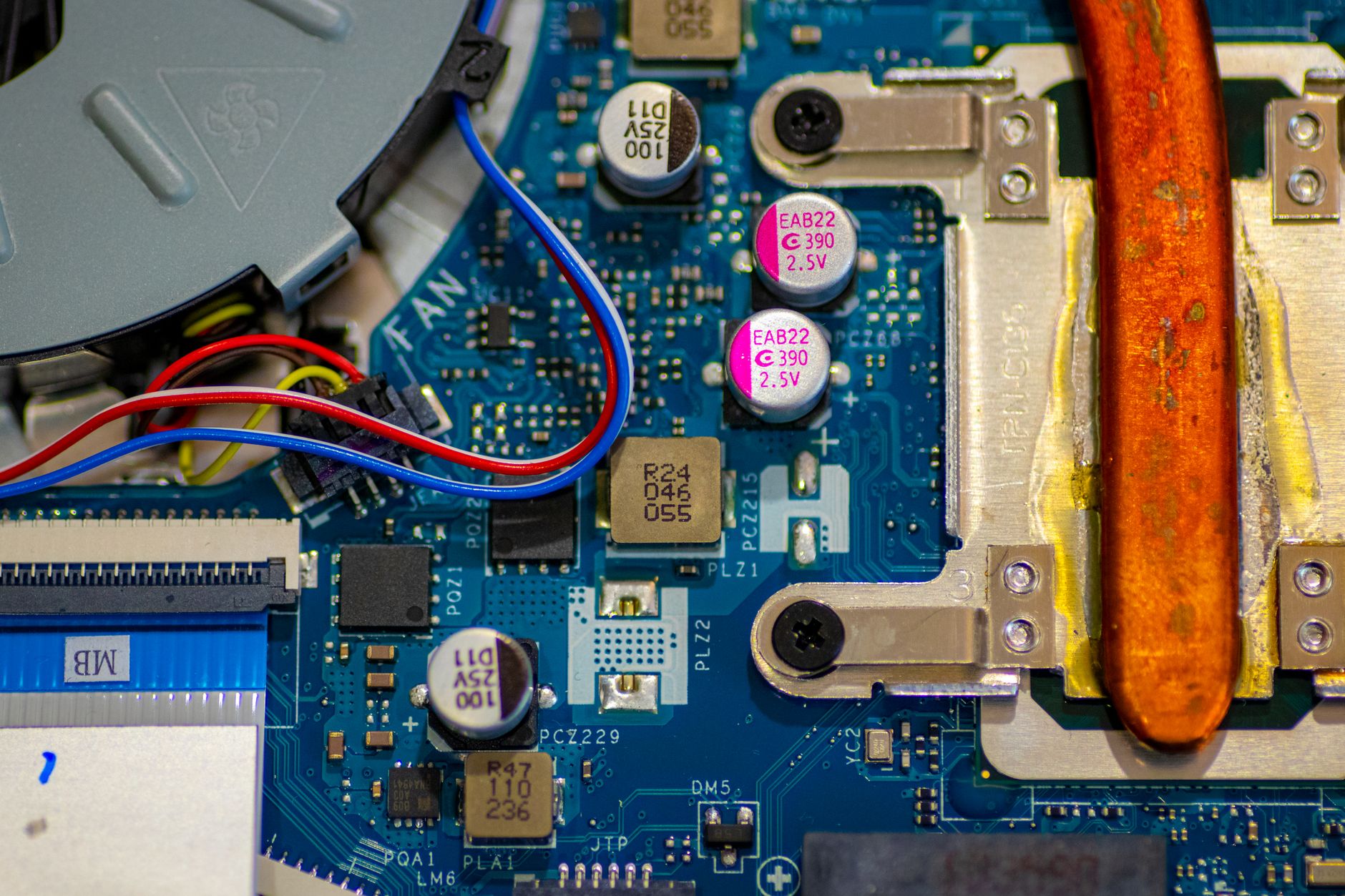
Zebra is not struggling to find customers, losing margin to competition, or watching demand soften in its industrial and enterprise markets. Instead, the company is being held back by a memory chip shortage – a supply-side ceiling that is capping how much revenue and profit it can actually book in 2026, even as orders presumably continue to pile up. That is a materially different problem than what most companies face when they miss numbers or warn on guidance.

What the Numbers Actually Say
The nearly $2-per-share beat against Zebra’s own guidance is the detail worth sitting with. Companies typically set guidance with some conservative buffer built in, but a $2 gap suggests either a meaningful acceleration in demand late in the quarter, faster-than-expected fulfillment of existing orders, or a combination of both. Zebra’s management had visibility into the chip constraint throughout the period, which makes the size of the beat more striking – they were outperforming even while running into a physical supply limit.
Raising the full-year outlook by 13% carries its own weight here. A 13% increase to full-year guidance is not a marginal adjustment. It reflects confidence that the demand environment justifies materially higher expectations for the remaining quarters of 2026, even with the memory chip shortage still in the picture. If the supply constraint eases at any point before year-end, the upside to those already-raised numbers becomes larger. That optionality is part of what drove the 20% single-day move – investors are not just buying what Zebra earned, they are buying what Zebra could earn if the chip bottleneck clears.
Zebra Technologies makes barcode scanners, mobile computers, RFID technology, and workflow automation hardware used heavily in warehousing, retail, and logistics. These are not consumer devices selling at thin margins in a crowded commodity market. The company’s customer base tends to be enterprise and industrial, with procurement cycles that involve long-term contracts and high switching costs. Demand in those verticals does not evaporate quickly, which means a supply-constrained quarter is genuinely deferred revenue rather than lost revenue.

The Memory Chip Shortage as a Financial Variable
Memory chip shortages have a history of moving in cycles, tightening and loosening based on production schedules at foundries, inventory drawdowns at device manufacturers, and macroeconomic demand shifts. For Zebra, the shortage functions less like a structural business problem and more like a valve controlling how fast it can convert backlog into recognized revenue. The company knows what it needs to ship. It has the customer relationships. The missing piece is the component.
That framing matters for how investors should think about the full-year guidance raise. The 13% increase was made with the chip constraint already factored in – management is not assuming the shortage disappears. If component availability improves more than expected, the guidance would understate actual results, just as this quarter’s guidance understated them by nearly $2 per share. There is a pattern forming, and it points in one direction.
The risk, of course, runs the other way too. If the memory chip shortage deepens rather than stabilizes – if foundry output tightens further or allocation to Zebra’s tier of customers gets squeezed – then even the raised full-year guidance could prove optimistic. Supply chain constraints have a way of defying linear forecasts. Zebra’s management team is navigating that uncertainty in real time, and the 20% stock move suggests the market believes they are doing it well. But a single quarter’s beat, however convincing, does not permanently eliminate the supply risk sitting underneath the headline numbers.
What a 20% Single-Day Move Signals
A 20% jump in one session for a company of Zebra’s profile – an established industrial technology firm, not a speculative early-stage name – reflects how dramatically the quarter exceeded expectations rather than just matched them. Markets had priced in a certain range of outcomes based on the guidance Zebra itself had provided, and the actual results landed well outside that range on the upside. When a company effectively tells investors that its own forecast was too conservative by nearly $2 per share and then raises the annual bar by 13%, the repricing is swift.
The 13% full-year guidance increase also changes the valuation math in a way that a single-quarter beat alone would not. Analysts and institutional investors modeling Zebra on a forward earnings basis now have to rebuild their spreadsheets around a higher baseline, and in many cases, that recalculation results in a price target revision before the week is out. The stock move on August 4 likely reflected some of that institutional repositioning happening in real time.
What remains genuinely unresolved is whether Zebra can hold this momentum through the rest of 2026 with a memory chip shortage still actively constraining output. The company beat despite the bottleneck. It raised guidance despite the bottleneck. At some point, the market will want to see what the numbers look like when the bottleneck is no longer part of the sentence.