



American households faced another month of rising prices in April, as consumer costs climbed at their fastest pace in nearly three years. The back-to-back monthly increases have created the steepest annual inflation rate since 2021, putting additional pressure on Federal Reserve policymakers already wrestling with monetary policy decisions.
The consecutive monthly price surges represent a sharp departure from the cooling inflation trends that dominated much of the previous year.
Central bank officials now face mounting evidence that their battle against rising costs may require keeping borrowing rates elevated longer than previously anticipated, as the latest data reinforces concerns about persistent price pressures across the economy.
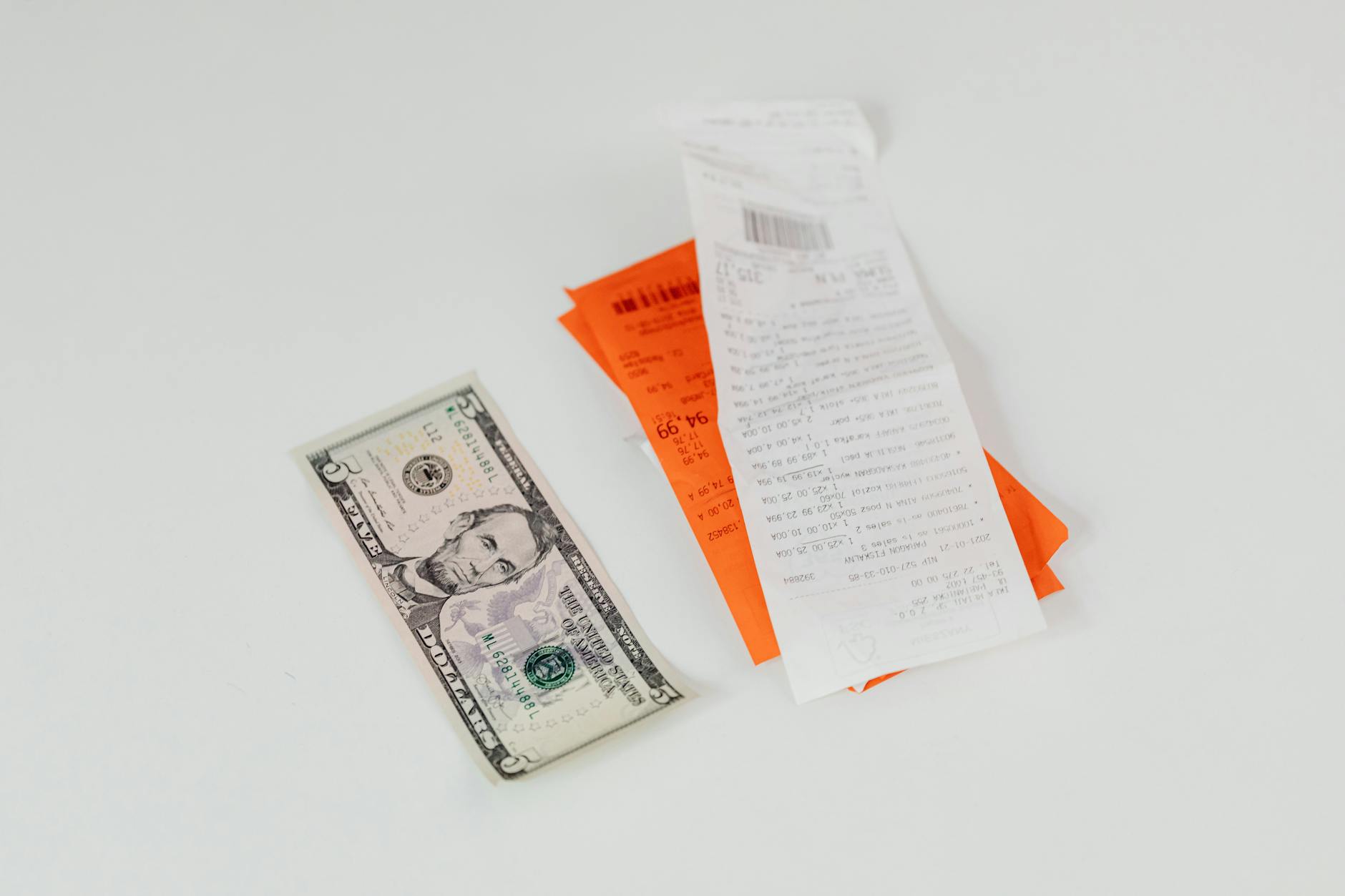
Price Momentum Builds Across Consumer Categories
The April acceleration followed March’s similar pattern, creating a two-month streak of elevated price growth that caught many economists off guard. Monthly consumer price increases during this period exceeded forecasts, driven by broad-based cost pressures that touched everything from housing to transportation. Energy costs contributed to the overall rise, while core inflation measures excluding volatile food and fuel prices also showed concerning momentum.
Housing expenses, which represent the largest component of consumer spending, continued their upward trajectory throughout April. Rent increases and homeownership costs maintained their grip on household budgets, providing little relief to Americans already stretched by previous months of price growth.
Service sector inflation remained particularly stubborn during the month, with costs for everything from medical care to recreational activities posting gains. The breadth of price increases suggested that inflationary pressures had become entrenched across multiple sectors rather than concentrated in specific categories. Food prices also contributed to the overall rise, though their impact varied significantly across different grocery categories. Transportation costs, including both vehicle purchases and maintenance, added another layer of expense for consumers already dealing with elevated living costs.

Federal Reserve Faces Mounting Policy Pressure
The inflation data has effectively removed any speculation about near-term interest rate cuts, with financial markets now pricing in an extended period of unchanged monetary policy. Federal Reserve officials had previously signaled openness to rate reductions if inflation showed sustained progress toward their 2% target, but April’s figures suggest that goal remains elusive. Bond markets reacted immediately to the news, with yields rising as investors adjusted their expectations for future Fed actions.
Policymakers must now balance their dual mandate of price stability and full employment while facing evidence that their previous rate hikes may not have been sufficient to fully contain inflation. The central bank’s preferred inflation measures continue to run well above target levels, creating additional complications for officials who had hoped to see more definitive progress by this point in the year.
Market participants have begun extending their timelines for when the Fed might begin cutting rates, with some analysts pushing their forecasts into late 2024 or early 2025. The shift in expectations reflects growing recognition that inflation may prove more persistent than initially anticipated, requiring sustained policy tightness to achieve the central bank’s objectives.
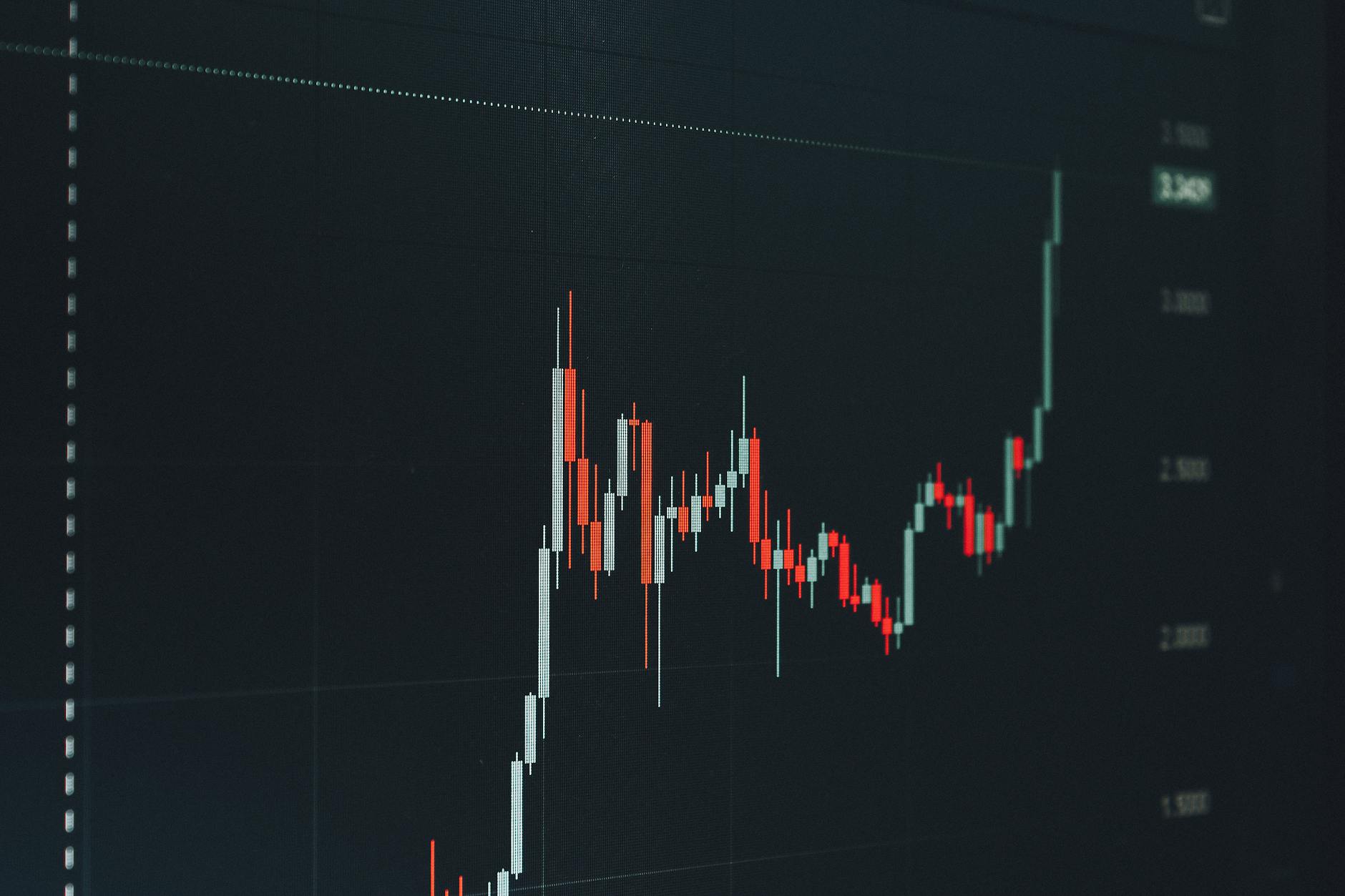
Consumer spending patterns show Americans continuing to adapt to higher prices by shifting purchases toward value options and delaying discretionary spending, but the latest inflation surge tests the limits of household resilience. The question now becomes whether this two-month acceleration represents a temporary setback or the beginning of a more sustained inflationary cycle that could force the Fed into even more aggressive policy measures.