



CNBC’s Investing Club raised its price target on Arm Holdings following the semiconductor company’s recent surge in share price. The adjustment comes as the chipmaker continues benefiting from artificial intelligence demand and expanding market opportunities.
The club’s afternoon trading update, known as the Homestretch, delivered the revised outlook to subscribers during Thursday’s session.
Arm’s stock has climbed substantially in recent weeks, outpacing many technology peers and prompting analysts to reassess their valuations. The British chip designer, which went public in September 2023, has seen increased investor interest as companies rush to build AI infrastructure.
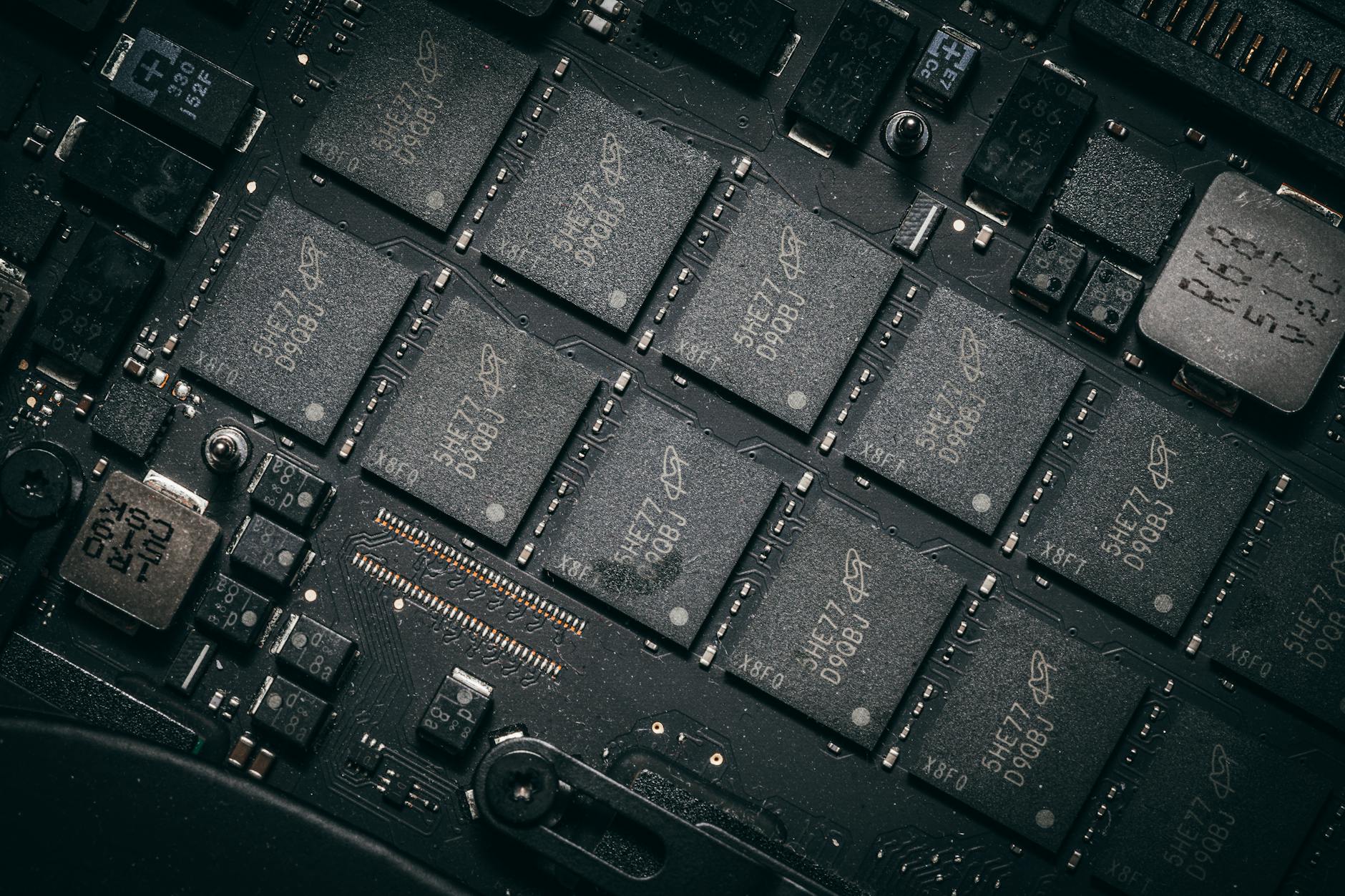
AI Momentum Drives Valuation Reset
The price target increase reflects Arm’s position in the artificial intelligence supply chain, where its processor designs power everything from smartphones to data center servers. Major technology companies including Nvidia, Amazon, and Google rely on Arm’s intellectual property for their custom chips. This dependency has become more valuable as AI workloads demand specialized processing capabilities.
Arm’s licensing model generates revenue from both upfront fees and royalties on each chip sold using its designs. The company reported strong growth in its most recent quarterly earnings, with revenue jumping 28% year-over-year to $824 million.
The semiconductor industry’s shift toward AI-optimized processors has created new opportunities for Arm’s advanced architectures. Unlike traditional x86 processors, Arm’s designs offer better power efficiency, making them attractive for mobile devices and energy-conscious data centers. Cloud providers are increasingly adopting Arm-based processors to reduce operational costs while maintaining performance.
Market Position Strengthens Amid Competition
Arm faces competition from Intel’s x86 architecture and RISC-V open-source alternatives, but maintains advantages in specific market segments. The company’s designs dominate smartphone processors, with over 95% market share, and are gaining ground in laptops and servers.

Recent partnerships with major semiconductor manufacturers have expanded Arm’s reach into automotive and Internet of Things applications. Qualcomm, MediaTek, and other chipmakers continue licensing Arm’s latest processor cores despite ongoing legal disputes over licensing terms.
The company’s Armv9 architecture, introduced in 2021, includes enhanced security features and AI acceleration capabilities that address current market demands. Early adoption of these designs by smartphone manufacturers has exceeded initial expectations, contributing to higher-than-anticipated royalty payments.
Financial Performance Exceeds Projections
Arm’s financial metrics have improved steadily since its initial public offering, with gross margins expanding to 96.4% in the latest quarter. The high-margin licensing business model generates substantial cash flow, allowing the company to invest in research and development while returning value to shareholders.
Operating expenses rose 26% year-over-year as Arm increased headcount and expanded engineering teams focused on AI and automotive applications. Despite higher costs, operating income grew 41% to $298 million, demonstrating the scalability of the licensing model.

The company’s backlog of signed licensing agreements reached $2.5 billion, providing visibility into future revenue streams. This contracted revenue base offers stability even if chip demand fluctuates, though actual royalty payments depend on end-market performance.
Arm’s stock trades at a premium valuation compared to traditional semiconductor companies, reflecting its asset-light business model and growth prospects. The question remains whether current market expectations align with the company’s ability to maintain pricing power as competition intensifies and new architectures emerge.