



Wall Street Gains Don’t Travel Well
A broad rally on Wall Street, fueled by declining oil prices, failed to lift sentiment across Asian markets on Thursday. Regional shares mostly fell as investors continued to process the fallout from recent U.S. military action, keeping risk appetite suppressed even as American indexes climbed.
The divergence between Wall Street’s optimism and Asia’s hesitation points to a simple reality: easing oil prices may calm American consumers and investors worried about inflation, but geopolitical tension with direct regional implications lands differently in markets closer to the conflict’s gravitational pull.
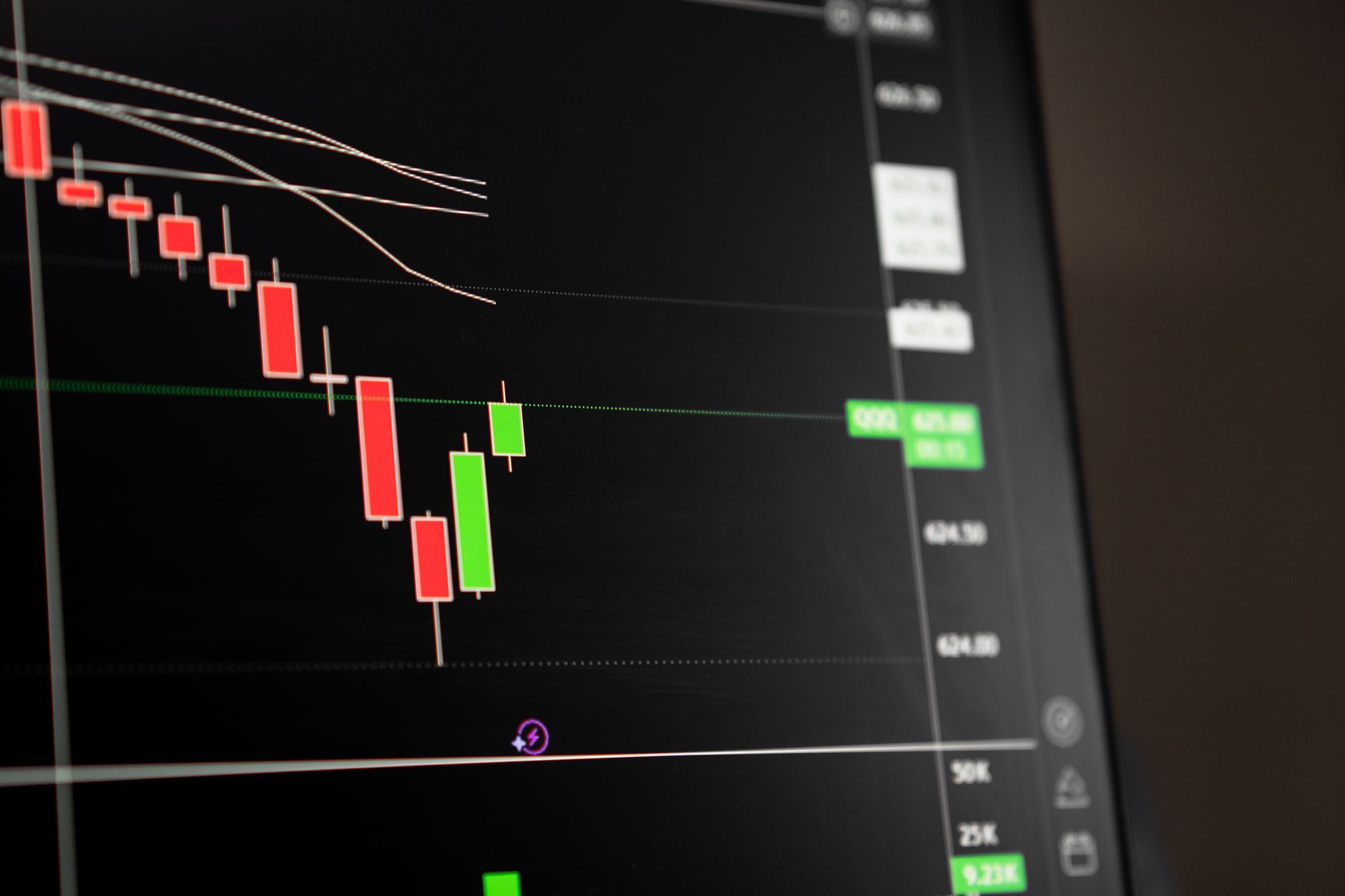
What Was Pulling U.S. Markets Higher
Oil price declines gave American traders something to work with. Lower crude costs reduce pressure on corporate margins, ease household energy bills, and tend to dampen inflation expectations – a combination that typically gives equity buyers more confidence to move. That dynamic drove the Wall Street rally that preceded Asia’s Thursday session.
The relief on U.S. exchanges, however, was built on assumptions about supply and demand that Asian investors were less willing to accept wholesale. The joint U.S. strike – which investors in the region were still actively weighing – introduced variables that don’t resolve as neatly as a crude price chart might suggest. Military actions create ripple effects on shipping lanes, energy infrastructure risk, and diplomatic stability across the Indo-Pacific corridor, and those considerations don’t disappear because oil futures pulled back for a session.

Why the Regional Calculus Is Different
Asian markets operate within a different set of exposures than their American counterparts. Many regional economies are net importers of oil, which means a price drop does offer some cushion – but that benefit gets discounted when the underlying cause of the price movement involves active military operations in or near energy-producing regions. The gain and the risk arrive together.
Currency markets add another layer of complexity. The yen, the dollar, and regional exchange rates all shift under geopolitical stress in ways that affect export competitiveness, import costs, and the attractiveness of local assets to foreign capital. When the dollar strengthens against Asian currencies during uncertainty, it squeezes countries carrying dollar-denominated debt and compresses returns for foreign investors calculating in stronger currencies.
Trade dependency also shapes the response. Several major Asian economies rely heavily on exports to the United States, and anything that raises questions about American policy direction – military, economic, or diplomatic – gets priced into that relationship. Aggressive U.S. trade postures in recent months have already made regional governments and business communities more alert to sudden shifts in American behavior.
The result is an environment where positive signals from New York don’t automatically translate into buying in Tokyo, Seoul, or Sydney. Investors in those markets are running a separate set of calculations, and on Thursday, those calculations produced a mostly negative outcome.
The Oil Price Variable
Oil’s role in this episode cuts in two directions. Falling prices were the catalyst for Wall Street’s optimism, but the reason oil prices were elevated in the first place – geopolitical tension – hadn’t been resolved. A single session of price relief doesn’t erase the underlying supply-risk premium that builds up when military operations are active near major energy corridors.
Asian markets, many of which had already absorbed a period of elevated crude costs, weren’t prepared to treat one day’s decline as a signal that the broader pressure had lifted. That caution, while it looks like pessimism from a Wall Street vantage point, reflects a more conservative read of how durable the oil price move actually is.

What the Split Tells Us About Global Markets Right Now
The gap between Wall Street’s Thursday rally and Asia’s mostly lower close is a snapshot of how fractured global market sentiment has become. American investors responded to an economic variable – cheaper oil. Asian investors responded to a geopolitical one – a military operation with unresolved consequences. Both readings were rational. They just didn’t add up to the same trade.
Markets in the region have been navigating a difficult combination of external shocks: currency volatility, shifting U.S. policy, energy cost pressure, and now active geopolitical risk from American military engagement. Each of those factors can be manageable in isolation. Together, they create a backdrop where even genuinely good news from Wall Street gets absorbed with skepticism rather than enthusiasm.
The question hanging over Asian trading desks now is whether the military action that dampened Thursday’s session will have lasting economic consequences – disruptions to shipping, energy supply chain adjustments, or diplomatic fallout that eventually touches trade flows. Oil prices gave Wall Street an easy answer on Thursday. Asia is still waiting for a harder one.