



Same Bet, Different Results
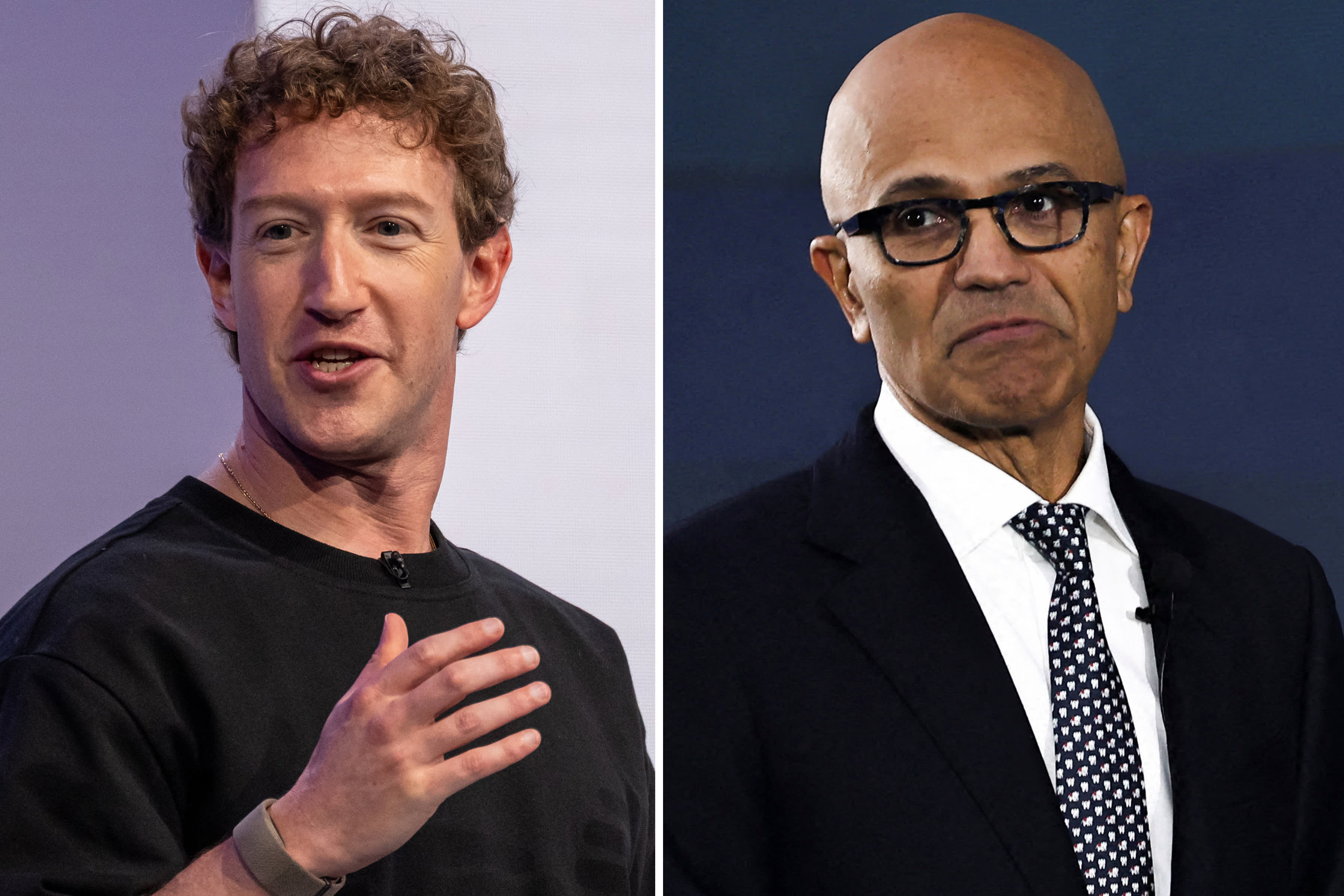
Two of the largest technology companies in the world reported earnings on the same day, made overlapping bets on artificial intelligence infrastructure, and walked away with wildly different outcomes. Microsoft’s stock jumped 8% after Azure and Copilot drove stronger-than-expected results. Meta fell nearly 9% after missing revenue guidance forecasts and posting a sharp drop in free cash flow.
The split was not subtle. It exposed something the AI enthusiasm of the past two years had papered over – that spending heavily on AI is not, by itself, a strategy. Execution, monetization, and the timing of returns matter enormously, and right now those factors are breaking sharply in Microsoft’s favor.
What Microsoft Got Right
Microsoft’s gains were anchored in two products: Azure, its cloud computing platform, and Copilot, its AI assistant embedded across Office products, developer tools, and enterprise software. Both showed growth that apparently exceeded what analysts had expected heading into the report. Azure has been the central battleground in cloud competition for years, but Copilot represents something different – a direct attempt to charge existing customers more for AI-enhanced versions of software they already use.
That model, attaching AI features to established enterprise relationships, is proving easier to monetize than building new AI-native products from scratch. Microsoft already has the contracts, the procurement relationships, and the security certifications that large companies require. When Copilot gets added to an existing Microsoft 365 subscription tier, the sales motion is familiar. The revenue is incremental. The customer is already there.
This is the structural advantage Microsoft has been building toward since its early investment in OpenAI. The cloud and software business gives it a delivery channel for AI that most competitors cannot replicate quickly. Azure’s growth reflects genuine enterprise adoption, not just capacity buildout – companies are running workloads, not just signing letters of intent. That distinction matters when evaluating whether AI spending is generating real returns or still sitting in the future-value column.
Where Meta Stumbled
Meta’s problem is not that it lacks AI ambition. The company has spent aggressively on AI infrastructure, developing its own chips, building out data centers, and releasing open-weight models under the Llama brand. The issue showing up in this earnings report is that the spending is outpacing the monetization. Free cash flow fell sharply – a signal that capital is moving out faster than revenue is coming in to replace it. Missing revenue guidance forecasts made that imbalance harder to dismiss as a temporary timing issue.
Meta’s primary revenue engine remains advertising, and advertising revenue is sensitive to economic conditions, competition from platforms like TikTok, and the effectiveness of targeting algorithms. AI improvements to that targeting have helped over the past two years, but the company is now investing at a scale that the advertising business may not be able to absorb without visible strain. The 9% stock decline suggests investors are recalibrating how much patience they have for that gap to close.
A Fault Line Running Through the Sector
The divergence between Microsoft and Meta points to a fault line that has been forming quietly beneath the surface of the broader AI trade. For most of 2024 and into 2025, the market treated AI investment as uniformly positive – any company spending on GPUs, data centers, or model development was rewarded with a valuation premium. That logic is becoming harder to sustain as earnings reports start showing actual cash flow consequences.
Microsoft’s results suggest the market will continue to reward companies where AI spending connects visibly to revenue. Azure usage fees, Copilot subscription upsells, and enterprise software renewals create a relatively clear line between the capital going in and the dollars coming out. Meta’s advertising model is less direct. AI improves the product, the product attracts users, users attract advertisers – but each step in that chain introduces uncertainty, and the chain is getting expensive to maintain.
The stock moves – 8% up for Microsoft, nearly 9% down for Meta – are large for companies of this size. A single-day swing of that magnitude in either direction reflects genuine conviction among institutional investors, not just noise. When funds rotate out of Meta and into Microsoft on the same earnings day, the signal is fairly direct: AI spending needs a payment mechanism attached to it, not just a long-term thesis. Broader market pressures have already been testing investor appetite for speculative positioning, and Meta’s miss arrives at an uncomfortable moment.
Other large technology companies watching these reports – Alphabet, Amazon, Apple – face versions of the same question Meta is now being asked to answer. Spending on AI is no longer differentiated. Nearly every major platform is doing it. What separates the outcomes is whether that spending has a direct path to billing a customer, and how soon that path becomes visible in the numbers.

The Cash Flow Problem Is Not a Detail
Free cash flow rarely generates the same headlines as revenue or earnings per share, but it is the metric that tells you whether a business is actually generating money or consuming it. Meta’s sharp decline in free cash flow – happening while the company misses revenue guidance – puts pressure on the narrative that short-term pain will lead to long-term AI dominance.
Every quarter that gap persists, investors have to decide whether to extend more credit against a future payoff. Microsoft’s 8% gain shows what happens when that payoff starts showing up in verifiable form. Meta’s 9% decline shows what happens when it does not.
The question Meta has not yet answered – and that this earnings report made more urgent – is whether its AI infrastructure, as large and technically sophisticated as it is, will ever generate a revenue line as direct as an Azure usage fee or a Copilot seat license. Right now, the company is bearing the costs of a hyperscaler without a clear path to hyperscaler-style billing.