



A Pullback That May Have Reset the Board
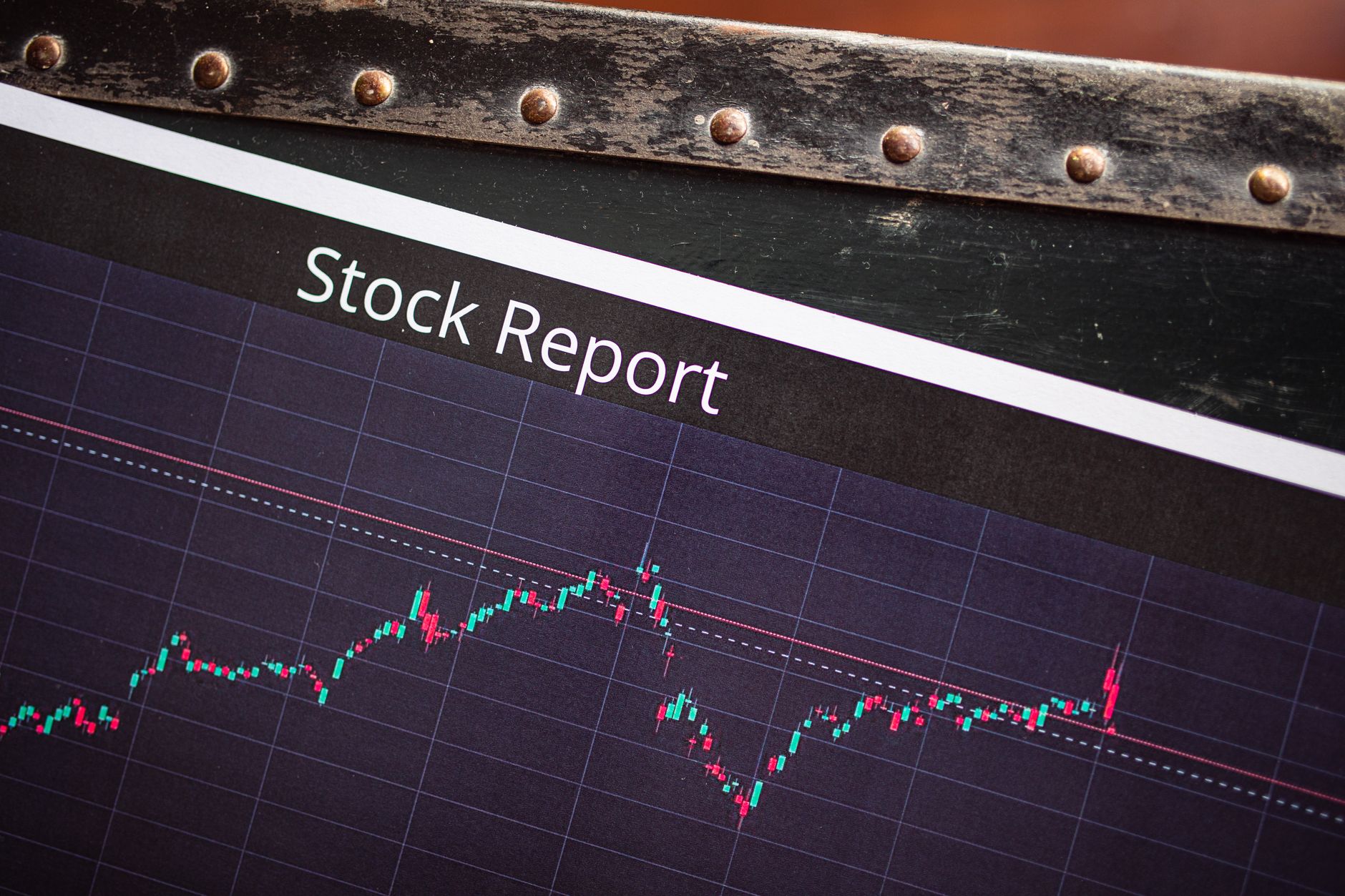
The global AI trade has stumbled in recent weeks, and for most investors that registers as bad news. J.P. Morgan analysts are reading it differently. In a note published Monday, the bank’s research team argued that the selloff has done something useful: it cleared out overcrowded positioning, brought valuations back to more defensible levels, and may have laid the groundwork for a fresh wave of buying – especially in semiconductor stocks.
That’s a notable call at a moment when sentiment around AI investments has grown complicated.
The enthusiasm that drove AI-linked equities to steep premiums over the past two years has not disappeared, but it has fractured. Investors who bought in at peak valuations are sitting on losses, and the easy narrative – that every company touching AI would see its stock price reflect that exposure – has worn thin. J.P. Morgan’s analysts are essentially arguing that the correction, painful as it has been for holders, has produced the conditions that make re-entry worth considering again.
What the Bank Is Actually Saying About Semiconductors
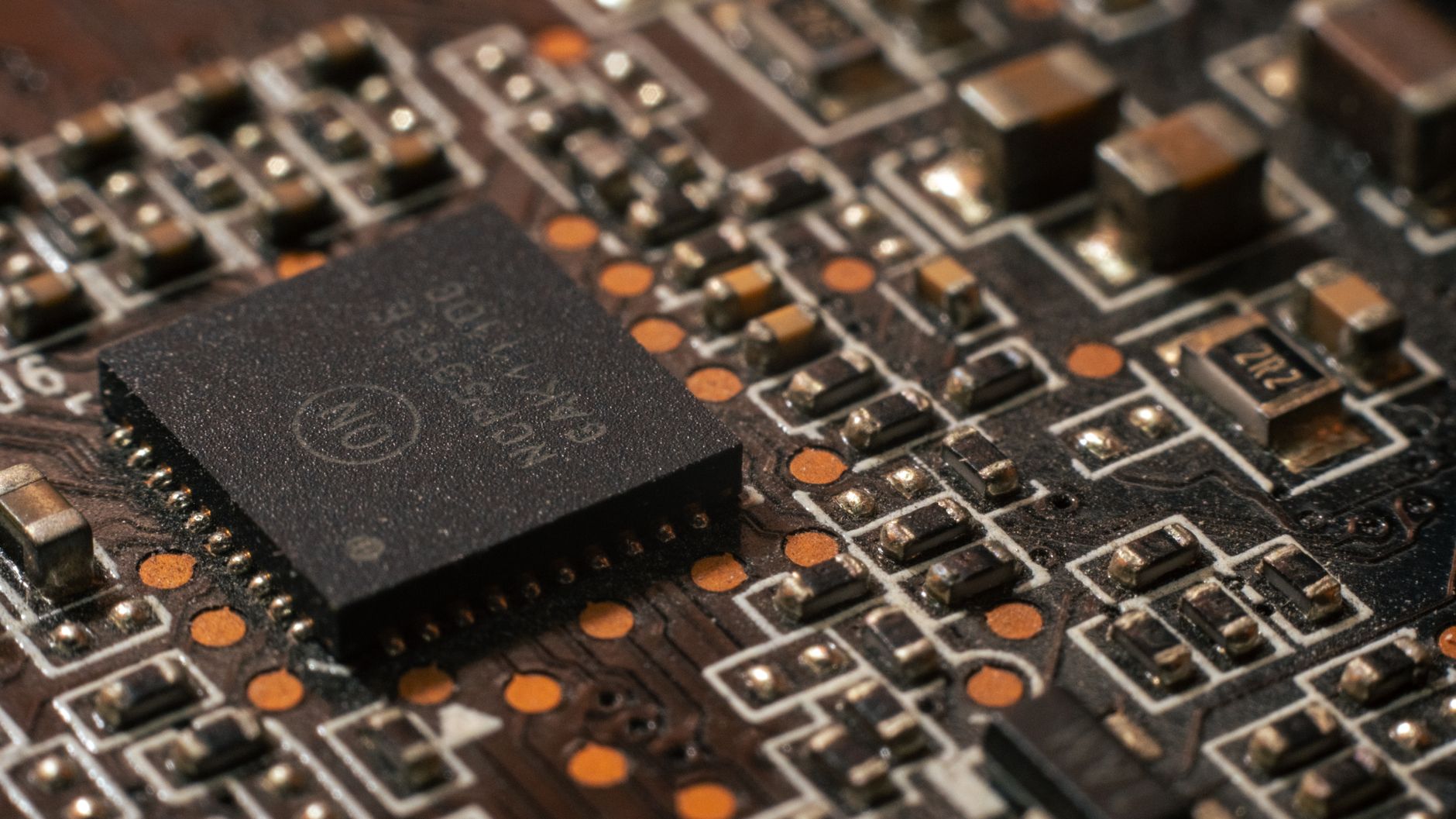
The specific focus on semiconductor stocks is worth unpacking. Chips sit at the physical foundation of AI infrastructure – without them, none of the software, model training, or inference workloads that define the current AI build-out can run. That makes semiconductor companies unusually sensitive to shifts in AI investment cycles. When spending accelerates, chip demand surges. When it hesitates, valuations compress faster than in almost any other sector tied to AI.
J.P. Morgan’s analysts appear to be betting that the hesitation is ending. The logic is straightforward: if positioning has lightened – meaning fewer speculative investors are currently long the trade – then the next round of positive catalysts hits a market that isn’t already saturated with believers. That dynamic tends to produce sharper moves upward when sentiment turns. Semiconductor stocks, having corrected more aggressively than some of their software counterparts, would theoretically benefit most from that kind of re-engagement.
The bank stopped short of naming specific companies or setting price targets in the detail reported Monday. What the analysts did assert was the directional view: the pullback has improved the setup, valuations are now attractive relative to recent history, and the trade could revive. That’s a conditional forecast, not a guarantee – but from a bank with J.P. Morgan’s institutional reach, the note will land with weight in portfolio management conversations this week.
Why Investor Positioning Matters More Than Headlines Right Now
One of the more underappreciated dynamics in AI equity markets is how much positioning data shapes short-term price action. When a trade gets too crowded – when too many funds are holding the same names at elevated weights – the market becomes brittle. Any negative headline, any earnings miss, any macro shock can trigger a cascade of selling because there are too few natural buyers on the other side. The AI trade had reached exactly that kind of saturation point at various moments over the past year.
The recent pullback appears to have drained some of that excess. Investors who were holding AI-linked stocks as momentum plays, rather than on conviction about underlying fundamentals, have largely been shaken out. What remains, at least in theory, is a cleaner base of holders – and a valuation picture that no longer requires heroic assumptions about growth to justify owning the stocks.
That shift in the investor base is precisely what J.P. Morgan is flagging as meaningful. It doesn’t make the AI investment thesis more or less true – the fundamental question of whether AI spending translates into durable corporate earnings growth remains genuinely open. But it does mean that the next round of positive news, whether from chip demand data, hyperscaler capital expenditure announcements, or model deployment metrics, will hit a market that is better positioned to respond constructively rather than one that is already exhausted from carrying too much exposure.

The Road Back Is Not Straight
Re-engagement with any trade that has pulled back sharply is never a clean process. Investors who sold at a loss need a reason to return, and those who stayed long need confirmation that the thesis hasn’t fundamentally broken. J.P. Morgan’s Monday note provides an analytical framework for why the setup looks better – but the market will still need actual catalysts to move. Improved positioning is a necessary condition for a rebound, not a sufficient one. If semiconductor earnings disappoint in the next reporting cycle, or if AI capital expenditure guidance from major cloud providers comes in below expectations, the attractive valuations J.P. Morgan is pointing to could get more attractive still, which is another way of saying the stocks could fall further.
What the bank’s call does offer is a clear signal about where institutional attention is focused heading into the final quarter of the year. Semiconductor stocks, battered and repriced, are back on the radar of at least one of Wall Street’s largest research operations. Whether other major banks follow with similar assessments in the coming days will determine whether J.P. Morgan’s Monday note becomes the beginning of a broader re-rating conversation – or a lone voice in a market that hasn’t finished correcting.
The last time AI semiconductor stocks recovered from a meaningful pullback, the move happened faster than most analysts had modeled, driven by a single strong earnings report from a major chipmaker that reset expectations across the sector. J.P. Morgan’s analysts are not predicting that specific sequence of events. But they are saying the conditions are in place. Investors who missed the first leg of the AI trade – or who got in too late and rode it down – are now being told that the door may be opening again, and that this time, the entry point looks considerably less crowded than before.