


Oil and gas shipments through the world’s most important energy chokepoint will remain severely restricted for at least two more years, according to Baker Hughes projections released Thursday.
Competing Naval Forces Block Critical Waterway
The Strait of Hormuz, which normally handles roughly 20% of global petroleum liquids and significant liquefied natural gas volumes, continues operating under dual enforcement regimes as Washington and Tehran maintain opposing blockade strategies. Baker Hughes analysts expect this standoff to persist through the second quarter of 2026, with tanker movements remaining at roughly 15% of pre-conflict levels.
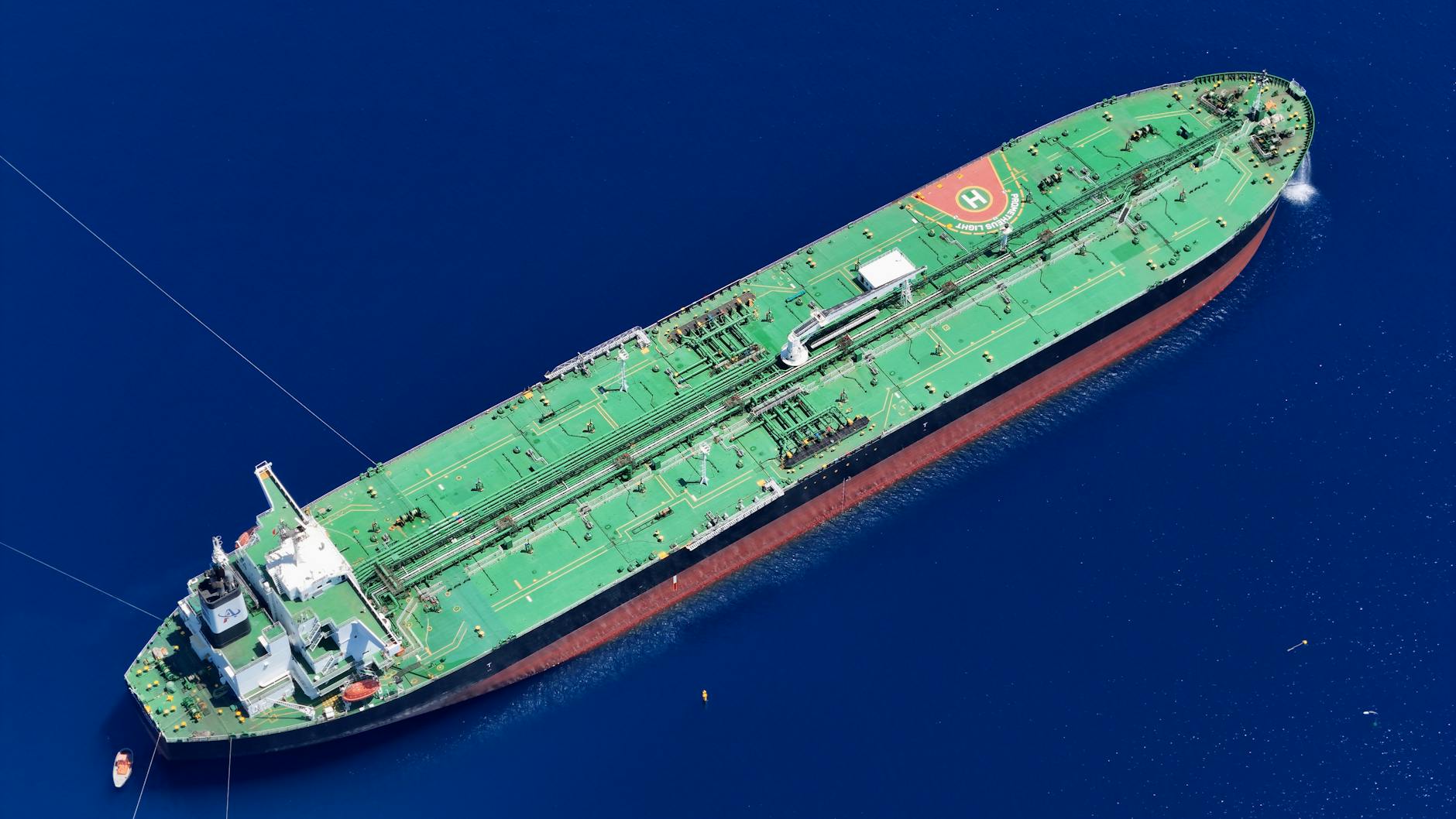
Current vessel traffic shows stark reductions across all energy categories. Large crude carriers that once moved in convoys of eight to twelve ships now pass individually under heavy escort, while LNG tankers face even tighter restrictions due to their strategic importance for European winter heating needs.
The fragile ceasefire agreement signed last month established separate transit windows for each nation’s preferred shipping partners, but enforcement mechanisms remain unclear. Iranian Revolutionary Guard vessels patrol the northern shipping lanes while U.S. Fifth Fleet destroyers maintain position near the southern approaches, creating a complex navigation environment that few commercial operators are willing to risk.
Energy traders report that spot prices for Middle Eastern crude have stabilized at roughly $40 per barrel above Brent futures, down from peaks of $65 during the most intense phases of the conflict but still reflecting substantial risk premiums.
Global Supply Chain Adaptations Accelerate
Major energy companies have fundamentally restructured their logistics networks to work around the Hormuz bottleneck, investments that Baker Hughes believes will outlast the current crisis. Saudi Aramco completed emergency expansions of its East-West Pipeline system, boosting capacity to 7 million barrels per day and allowing direct Red Sea exports that bypass the strait entirely.
Qatar, which ships 75% of its LNG production through Hormuz under normal conditions, has accelerated construction of alternative export terminals while negotiating long-term pipeline deals with neighboring countries. The state energy company QatarEnergy signed preliminary agreements for overland routes through the UAE and Oman, though these projects won’t reach full capacity until late 2025 at the earliest.
European buyers have responded by locking in multi-year contracts for U.S. LNG at prices roughly 30% above historical averages, while Asian importers have turned increasingly to Australian and Russian suppliers despite geopolitical complications. Japan’s largest utilities report securing winter 2026 supplies through a combination of spot purchases and emergency government reserves, though officials acknowledge the arrangements remain expensive and potentially unstable.
The shipping industry itself has undergone rapid changes as companies redirect their fleets to longer alternative routes. Tanker operators report that vessels previously dedicated to Persian Gulf runs now serve Atlantic Basin routes almost exclusively, while new construction orders have shifted toward larger ships capable of handling the extended journey times around Africa. These adaptations have created secondary shortages in other regions as available tonnage gets reallocated to serve Middle Eastern exports through alternative pathways.
Insurance costs for any vessels attempting Hormuz transit have reached levels that make most commercial shipments economically unfeasible, even when military escorts are available. Lloyd’s of London syndicates report that war risk premiums now exceed the value of many cargo loads, effectively pricing out smaller traders and concentrating the remaining traffic among major integrated oil companies with internal risk management capabilities.
Long-Term Energy Security Questions Emerge
The extended closure timeline raises fundamental questions about global energy infrastructure resilience that extend well beyond current geopolitical tensions. Baker Hughes executives note that even after normal transit resumes, many buyers will likely maintain the alternative supply arrangements they’ve developed during the crisis, permanently reducing Hormuz’s role in global energy flows.
Strategic petroleum reserves across major consuming countries have dropped to critically low levels, with the U.S. Strategic Petroleum Reserve now at just 180 million barrels compared to its 650 million barrel capacity. Similar depletion patterns are evident in European and Asian stockpiles, leaving little buffer capacity for additional supply disruptions. Will these reserve levels prove adequate if the Hormuz situation deteriorates further before Baker Hughes’ projected 2026 reopening date?