


Sandals at Full Price, All Year Long
Birkenstock raised its full-year sales growth forecast on Wednesday, pointing to sustained demand for its premium sandals among affluent consumers who are still paying full price rather than waiting for discounts. The German footwear brand, which went public in New York in 2023, is betting that its position at the higher end of the market insulates it from the discount pressure squeezing much of the retail sector.
The forecast revision signals that Birkenstock’s deliberate strategy of limiting markdowns and controlling supply is holding, even as consumer spending in broader retail shows signs of fatigue. Wealthier shoppers, less exposed to inflation’s bite on essentials, are continuing to reach for the brand without waiting for a sale.

Why Full-Price Demand Changes Everything for Margins
Selling at full price is not just a revenue story – it is a margin story. When a brand avoids the markdown cycle, it protects gross profit on every unit sold. For Birkenstock, which has positioned its cork-and-leather silhouettes as something between a fashion item and a long-term wardrobe investment, this matters because the company does not need to move inventory through discounting to keep shelves clean. Its product does not age the way trend-driven footwear does.
That dynamic is what allows Birkenstock to revise its annual revenue forecast upward rather than downward in an environment where many apparel and footwear brands are slashing prices to clear excess stock. Competitors dealing with bloated inventories are under pressure to move product fast, which compresses margins industry-wide. Birkenstock is operating from a different position – constrained supply, stable pricing, and a customer base that is not especially price-sensitive.
The company went public at $46 per share in October 2023, a listing that valued it at roughly $8.6 billion. Since then, the brand has worked to demonstrate that its cult following translates into durable financial performance rather than a moment of cultural relevance that fades. Wednesday’s forecast raise is the kind of signal investors were looking for – proof that full-price demand is not seasonal or fleeting.
The Affluent Consumer as a Business Strategy
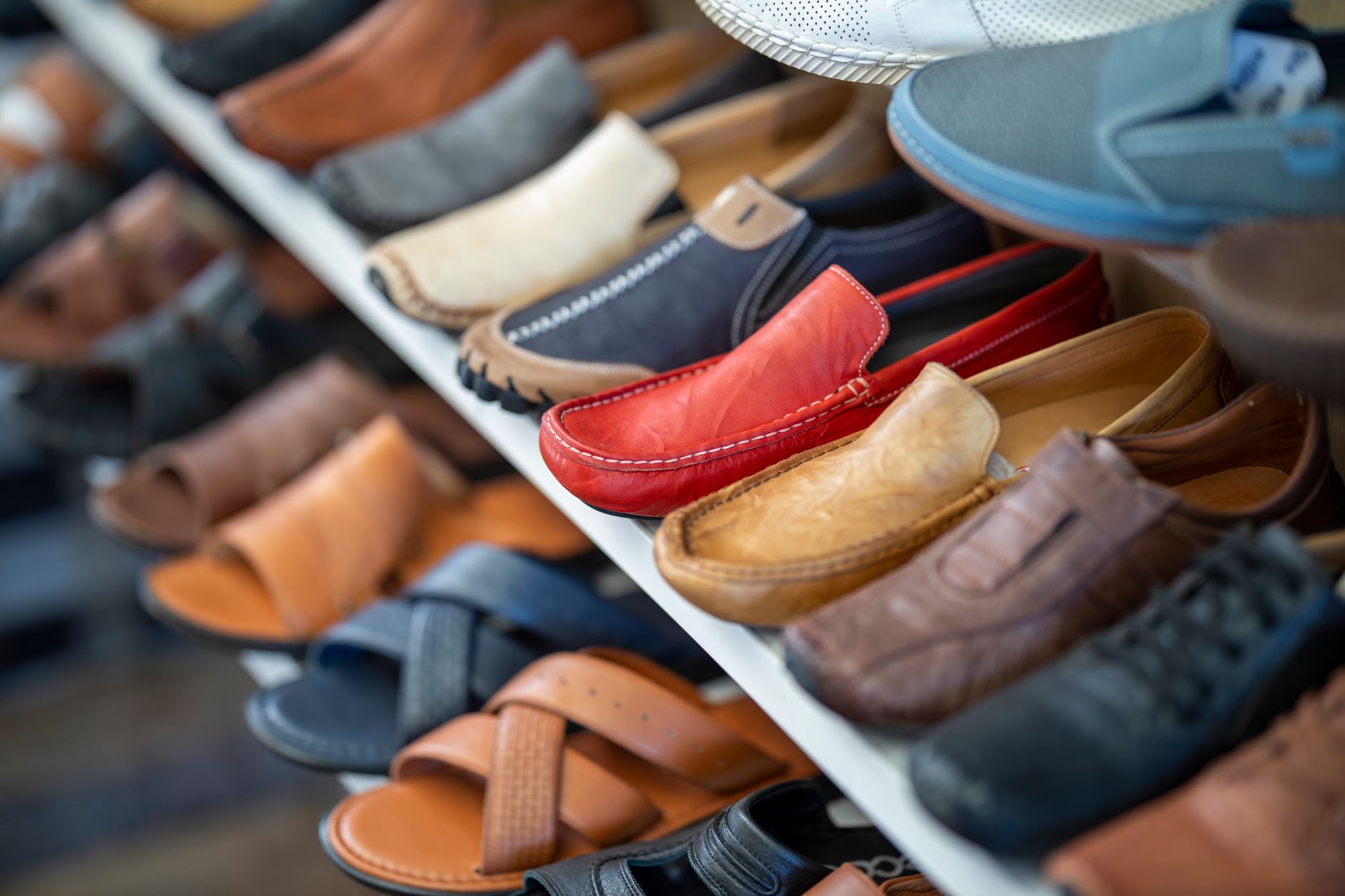
Birkenstock’s reliance on affluent shoppers is not incidental. It is structural. The brand has spent years moving upmarket, collaborating with luxury labels like Dior and Manolo Blahnik, which repositioned a sandal once associated with health food stores as something worthy of a premium shelf. That reframing is what makes wealthy consumers a reliable revenue base – they came to Birkenstock after it had already signaled that it was not a mass-market product.
This stands in contrast to brands that chased volume by expanding into lower price points and mass retail channels, then found themselves stuck in markdown cycles when demand softened. Birkenstock’s distribution remains selective, and the company has been deliberate about not flooding the market with product. Scarcity, even when partially manufactured, supports full-price selling.
What Raising the Forecast Actually Means
A mid-year revenue forecast increase is not a routine move. Companies typically raise full-year outlooks when first-half performance has exceeded internal targets and forward order books – retailer commitments to purchase inventory for coming seasons – are coming in strong. For Birkenstock, this would suggest that wholesale partners are ordering confidently and that the company’s direct-to-consumer business is performing ahead of plan.
The timing matters too. August is when many brands are finalizing holiday season inventory decisions. A raised forecast in this window suggests Birkenstock’s retail partners are not pulling back orders – a sign of confidence in sell-through, which is the rate at which end consumers actually buy what retailers stock. Strong sell-through at full price means partners are not sitting on unsold Birkenstocks and demanding markdown support from the brand.
Premium footwear has generally held up better than mid-tier and budget segments during this cycle. Consumers who have pulled back on spending are doing so most aggressively in the middle of the market – trading down on some categories and cutting others entirely – while those with more financial cushion have largely maintained spending on brands they consider worth the price. Birkenstock’s customer base skews toward the latter group.
The question that remains open is how long this holds if economic conditions shift more sharply. Affluent consumer spending has proven durable through the post-pandemic inflation cycle, but it is not immune. If job losses begin to climb in white-collar sectors or asset prices correct meaningfully, the luxury-adjacent segment of the market that Birkenstock occupies will face a real test – and Wednesday’s raised forecast will be measured against a much harder comparison period.

For now, the sandals are selling. They are selling at the price Birkenstock wants, to the customers Birkenstock targeted, without the brand having to blink first on price.