


While broad economic demand cools across several sectors, one corner of the energy market is running hot: power supply for AI data centers. Bloom Energy sits in an unusually strong position to capture that spending, and Wall Street keeps getting caught flat-footed by how fast the orders are coming in.
The Power Problem That Won’t Wait
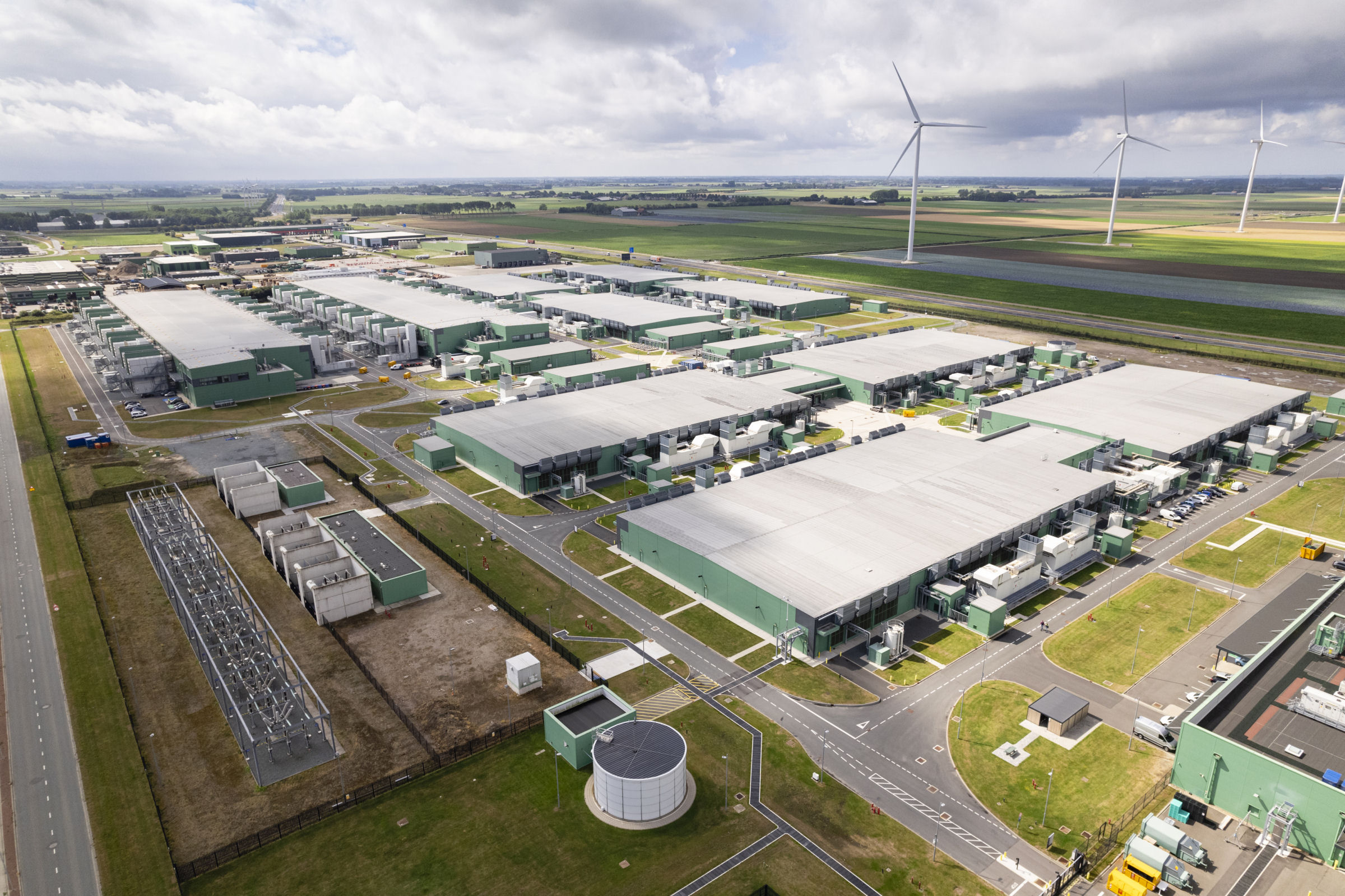
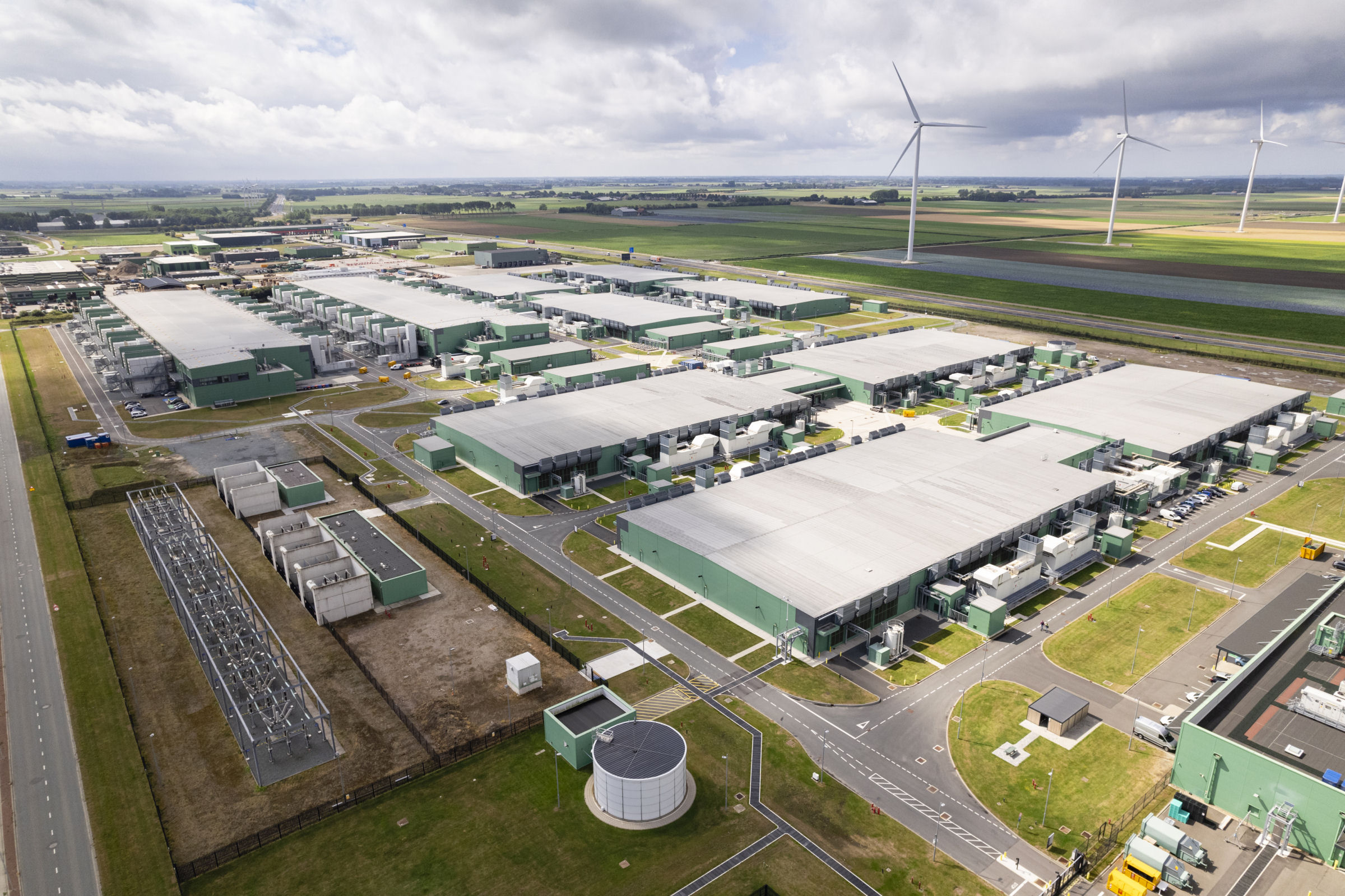
AI data centers are not patient customers. The computational workloads running large language models and training pipelines consume electricity at a scale that traditional grid infrastructure was never designed to handle at this pace. Utilities are backlogged. Transmission projects take years. That gap between what data center operators need now and what the grid can deliver has become the defining constraint of the AI buildout – and it is pushing buyers toward distributed, on-site generation solutions that can be deployed faster.
Bloom Energy makes solid oxide fuel cells that generate electricity directly at a facility, bypassing the grid entirely for primary power. That architecture has existed for years and found its footing in commercial and industrial applications where reliability and efficiency mattered. What has changed is the urgency. Data center developers are no longer evaluating fuel cell installations as a sustainability checkbox – they are treating them as a critical path item to getting their facilities online at all.
The broader slowdown affecting other industries makes the contrast sharper. Consumer electronics demand is soft. Residential construction is dragging. Corporate IT budgets outside AI are being scrutinized. Against that backdrop, AI infrastructure spending is moving in the opposite direction, and the companies positioned inside that supply chain are seeing results that diverge meaningfully from the rest of the market.
Bloom is more ready than most to deliver at scale. Its manufacturing capacity, its existing relationships with large commercial and industrial buyers, and its product’s compatibility with the power density requirements of high-performance computing facilities have converged at a moment when those qualities are worth a premium. The question investors keep wrestling with is whether the revenue trajectory has been properly priced in – or whether guidance continues to lag what the order environment actually supports.
Why Guidance Keeps Looking Conservative
There is a pattern that has developed around Bloom’s earnings cycles. Management sets guidance, analysts build models around it, and then results come in ahead of what those models anticipated. That is not unusual for a growth company in an early market, but the consistency of the dynamic matters here. When a company operating in a supply-constrained, demand-heavy environment keeps surprising on revenue, it raises a reasonable question about whether the guidance methodology is intentionally conservative, structurally behind the pace of deal flow, or whether the market itself is accelerating faster than internal forecasts can track.
AI data center owners are still actively seeking power in any form they can get it quickly. That urgency translates into procurement decisions that compress the normal sales cycle. Instead of multi-year evaluation processes, buyers are moving faster because the cost of delay – in lost revenue from services they cannot yet run – exceeds the risk of a less-exhaustive vendor selection process. Bloom benefits from that compressed timeline because its product can be installed and generating power in a fraction of the time required for new grid connections or large-scale battery storage buildouts in many configurations.
The visibility into forward revenue also matters. Fuel cell installations are not one-time equipment sales. They carry service agreements, maintenance contracts, and fuel supply arrangements that generate recurring revenue over the life of the installation. When a data center operator signs on, the initial contract value understates the relationship’s long-term economic contribution. That structure means each new customer win has a revenue tail that extends well beyond the initial booking, and analysts who model only near-term shipments may be systematically underestimating the compounding effect of a growing installed base.
Through year-end, the dynamics that have driven the positive surprises show no sign of reversing. Data center construction pipelines remain full. Power procurement is still a bottleneck. And the alternatives – new grid connections, diesel generators at scale, large battery systems – each carry their own constraints in cost, timeline, or regulatory complexity. Bloom’s solid oxide fuel cells run on natural gas, which is available through existing infrastructure, and they operate at efficiencies that compare favorably against peaker plants and backup diesel. For a data center operator trying to solve a power problem fast, that combination of availability and performance is difficult to replicate with other options on the current timeline.
What the market may still be discounting is how concentrated the demand is. A relatively small number of hyperscale AI operators – the companies building the largest training and inference clusters – account for a disproportionate share of total data center power demand growth. Winning one of those relationships does not just add a single installation; it creates a reference customer, a procurement template, and potentially a preferred vendor status that accelerates the next deal. The network effect inside that buyer community is tighter than in most industrial markets, and Bloom’s positioning within it carries implications that revenue models built on historical run rates may not fully capture.
What the Rest of the Year Could Bring
Between now and year-end, the conditions supporting Bloom’s outperformance are likely to remain in place. AI capital expenditure commitments from major technology companies have not signaled any slowdown – if anything, the competitive pressure among the largest players to build capacity is intensifying. That spending flows downstream into demand for power infrastructure, and Bloom sits in that downstream position.

The more pointed question is what happens when Wall Street’s models finally catch up to the order environment. At some point, analyst estimates adjust, the gap between guidance and results narrows, and the earnings surprise dynamic fades. That recalibration is a normal part of a company’s growth cycle – but it also means that investors waiting for another round of conservative guidance to trigger another positive surprise may find the window narrowing. Bloom’s manufacturing capacity, its backlog composition, and the speed at which new data center procurement deals are closing will determine whether the pattern holds through the end of the year, or whether the next earnings cycle is the one where the expectations finally catch the reality.