



A Strong Quarter That the Market Didn’t Celebrate
Palo Alto Networks delivered an earnings beat, and investors sold the stock anyway. It’s a reaction that has become oddly familiar in tech earnings season – strong numbers arrive, expectations prove too high, and the stock retreats before the conference call ends. For Palo Alto, the results reflected genuine momentum in enterprise cybersecurity demand, particularly as AI adoption accelerates across large organizations and introduces new attack surfaces that companies are scrambling to defend.
CEO Nikesh Arora framed the environment as one defined by “durable tailwinds,” pointing to the intersection of rising enterprise cyber threats and the rapid spread of AI tools inside corporate networks. That framing matters because it speaks to the longevity of demand – not a single-quarter surge, but a structural shift in how companies think about security spending.

What the Numbers Actually Showed
The earnings beat was not a narrow one. Palo Alto cleared analyst estimates on both revenue and profit, a combination that typically sends a stock higher. The AI-driven cybersecurity category was called out specifically as a source of strength, which aligns with what the company has been positioning toward for several quarters – consolidating enterprise security into a platform architecture rather than selling individual point products. That consolidation pitch has been central to Arora’s strategy since he took over, and the quarter’s results suggested it continues to land with large customers who are tired of managing dozens of separate security vendors.
Enterprise cyber threats are not slowing. If anything, the expansion of AI tools inside organizations – from productivity software to customer service automation – has widened the attack surface significantly. Every new AI integration is a potential entry point, and security teams are under pressure to keep pace. Palo Alto has positioned itself as the company that helps enterprises manage that complexity at scale, rather than patching vulnerabilities one product at a time.
Arora’s “durable tailwinds” comment was deliberate language. It signaled to investors that management sees the current demand environment as something other than cyclical IT spending. When companies are adopting AI broadly and simultaneously worrying about the threats that come with it, cybersecurity stops being a budget line that gets cut in a downturn and starts looking more like infrastructure spending – something closer to non-discretionary.
Why the Stock Fell Anyway
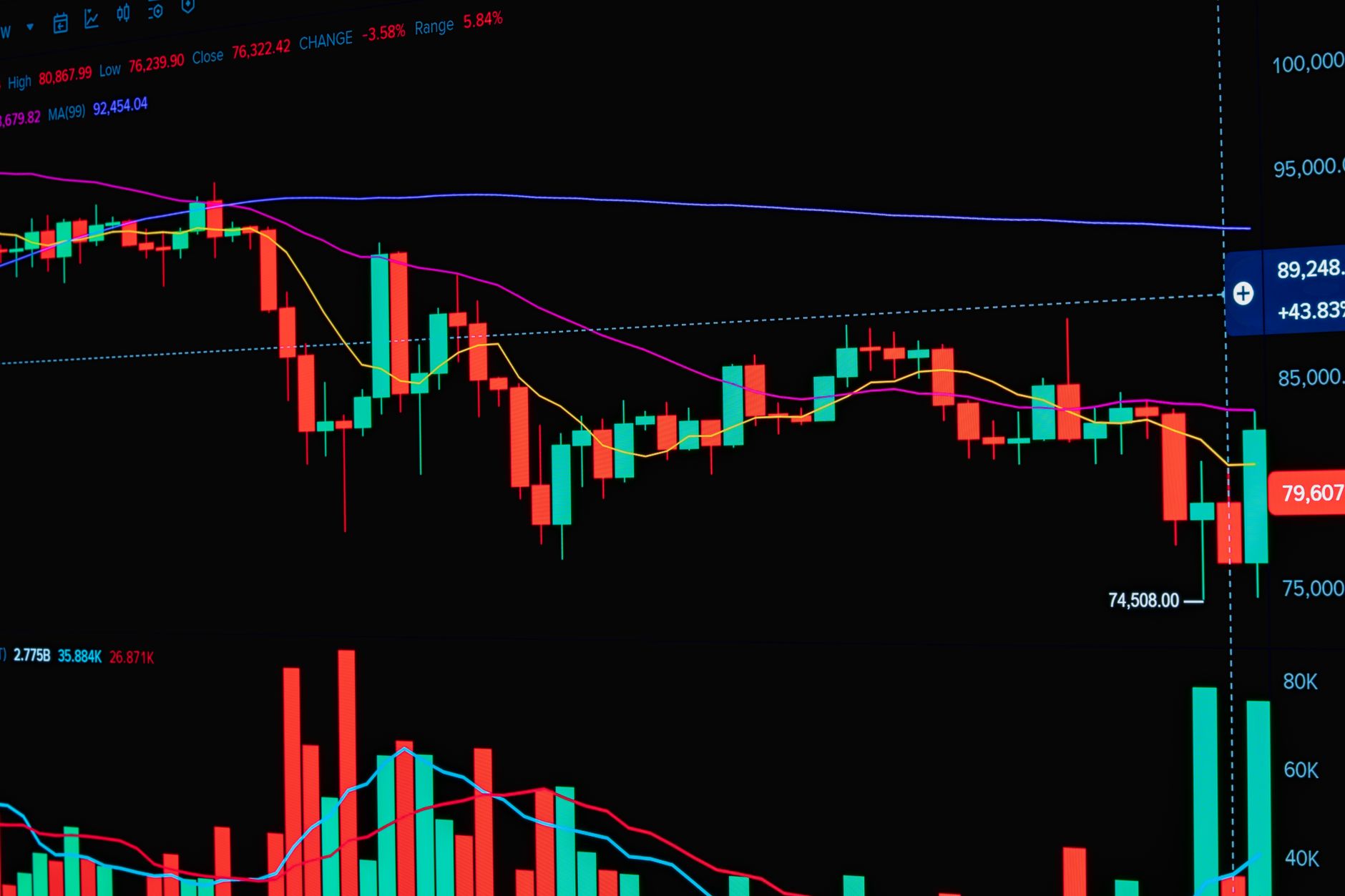
The post-earnings decline is worth examining on its own terms. An earnings beat in isolation doesn’t tell you much about where a stock goes – what matters is whether results exceeded what the most aggressive bulls were already pricing in. Palo Alto’s valuation had already embedded significant growth expectations before the quarter reported. When a company trades at a premium multiple, even a genuine beat can disappoint if guidance doesn’t accelerate materially or if the margin story doesn’t expand fast enough.
That dynamic has caught more than a few cybersecurity investors off guard in recent quarters. The sector broadly has attracted capital on the thesis that AI adoption makes security spending unavoidable, which has pushed valuations higher ahead of results. Palo Alto is not alone in facing this gap between strong fundamentals and a stock that struggles to move higher after good news. You can read a parallel story play out in concentrated AI bets, where enthusiasm about a theme outruns the actual earnings trajectory of the companies involved.
The Platform Consolidation Bet
Palo Alto’s strategic argument to enterprise customers rests on a straightforward premise: managing security through a fragmented collection of vendors creates gaps, increases complexity, and ultimately costs more than consolidating onto a single platform. Arora has pushed this message aggressively, and the company has structured its sales motion around getting customers to replace multiple point products with Palo Alto’s integrated stack. The quarter’s results suggest that pitch continues to close deals.
The AI angle runs in both directions for Palo Alto. On one side, AI adoption by enterprises creates more threat surface and therefore more demand for what Palo Alto sells. On the other side, Palo Alto itself is embedding AI into its detection and response capabilities, arguing that machine-speed threats require machine-speed defenses. That’s not a new claim in the industry, but the company’s scale gives it more data to train on than most of its competitors, which could matter as AI-driven detection becomes a genuine differentiator rather than a marketing line.
The consolidation strategy also carries real execution risk. Convincing a large enterprise to rip out existing security tools and replace them with a platform requires long sales cycles, significant professional services involvement, and a customer willingness to take on transition risk. If the macroeconomic environment tightens and IT budgets compress, those deals can stall even when the customer agrees with the underlying logic. Arora’s “durable tailwinds” framing was partly a message to investors that Palo Alto sees that risk as manageable.

What the stock does next may have less to do with Palo Alto’s actual results and more to do with whether the broader AI trade continues to attract institutional capital into the cybersecurity category. The company beat, the CEO was confident, and the stock fell. Somewhere in that gap is the real question investors are sitting with.