



A Quiet Name in Cybersecurity With a Score Worth Noting
Cellebrite is not a company that dominates financial headlines, but it has earned a Superscore of 79 from The Motley Fool’s Hidden Gems Primary database – part of their broader Moneyball Database system. That kind of score, in a screening tool designed to surface overlooked equities, puts Cellebrite in company that investors with a longer time horizon tend to find worth examining.
The stock’s current pressure stems from a deliberate business model transition: a move away from one-time sales toward recurring subscription revenue. It is the kind of shift that typically punishes near-term financials while building a more durable revenue base underneath – and Cellebrite appears to be squarely in the painful middle of that process heading into 2026.

What the Subscription Pivot Actually Means for Revenue
When a software or technology company moves from selling perpetual licenses or hardware-adjacent products to selling subscriptions, the accounting impact is immediate and often ugly. Revenue that would have appeared in a single quarter gets spread across twelve months or more. The company looks like it is shrinking, or at minimum stalling, even if the underlying customer relationships are actually strengthening. Cellebrite is navigating exactly this dynamic.
The transition matters because subscription models generate what analysts call “sticky” revenue – customers who renew annually or multi-year are more predictable than customers who buy once and disappear. For a cybersecurity company serving law enforcement and government clients, that stickiness has real value. Agencies that integrate Cellebrite’s digital intelligence tools into their investigative workflows do not simply switch vendors because a competitor offered a lower price one year.

The Motley Fool’s Moneyball Database and What a 79 Superscore Signals
The Moneyball Database is The Motley Fool’s proprietary stock-screening framework, and the Hidden Gems Primary database within it focuses specifically on under-the-radar companies – typically smaller-cap names that institutional coverage has not fully caught up with yet. A Superscore of 79 out of 100 places Cellebrite in a tier that the system flags as worth deeper attention, though it is not a buy signal on its own.
What the score reflects, in the context of a system like this, is a combination of financial quality metrics, growth trajectory indicators, and valuation factors relative to peers. Companies in transition – especially those deliberately compressing near-term revenue recognition by moving to subscriptions – can score well on forward-looking criteria even when trailing metrics look mixed. The Superscore appears to be catching Cellebrite at a point where the model change is weighing on reported numbers but the structural setup is improving.
It is worth understanding that database systems like Moneyball are built to identify asymmetry – situations where the market is pricing in near-term friction without fully accounting for what the business looks like once the transition completes. Whether that asymmetry actually resolves in favor of shareholders depends on execution, customer retention, and whether subscription adoption accelerates at the pace management expects heading into 2026.
Cellebrite’s positioning in the digital intelligence space – its tools are used by law enforcement agencies and government bodies to extract and analyze data from mobile devices – gives it a customer base that is both specialized and relatively insulated from the kind of competitive pressure consumer-facing software companies face. That niche is part of what makes the subscription transition potentially more stable here than it might be in a broader commercial market.
Stock Performance and the Lag Between Transition Pain and Recovery
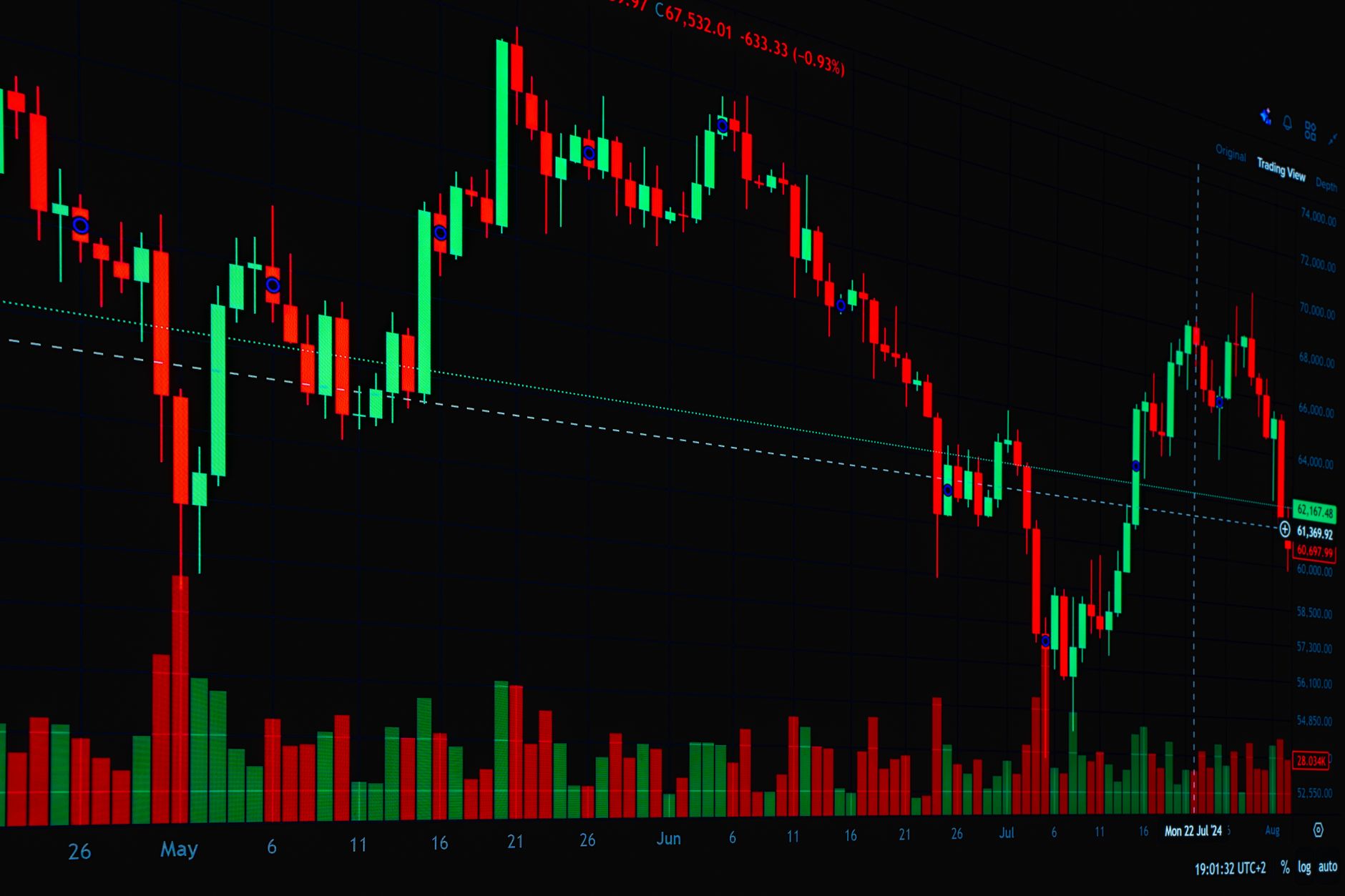
The stock is absorbing the weight of this transition in real time. When companies shift to subscriptions, the gap between when costs are incurred and when revenue is recognized tends to widen before it narrows. Sales teams still need to close deals. Infrastructure still needs to be maintained. But instead of booking a full contract value upfront, the company spreads that recognition over the subscription period.
The 2026 outlook framing – where the pivot “weighs on the stock today” but “helps lead a future rebound” – captures the standard arc of this kind of transition. The rebound, if it materializes, typically comes when subscription revenue reaches a scale where the recurring base alone starts to exceed what one-time sales were generating previously. At that point, the revenue line stabilizes and often accelerates, because renewals layer on top of new contracts rather than replacing them.
What Investors Are Actually Weighing Here
The core question for anyone looking at Cellebrite in this context is not whether the subscription model is strategically sound – it almost certainly is for a company with Cellebrite’s client profile. The question is timing. Transitions like this can take longer than expected if customer adoption of the new pricing structure is slower than anticipated, or if budget cycles at government agencies create lumpy renewal patterns rather than smooth recurring revenue streams.
A Superscore of 79 from a Hidden Gems database suggests the screening system sees more upside potential than downside risk at current pricing, relative to how the company’s fundamentals stack up. But scores are snapshots, and Cellebrite’s ability to convert its existing customer relationships into long-term subscription contracts will determine whether the 2026 rebound thesis holds up or gets pushed further out.
Government and law enforcement clients operate on procurement cycles that do not always align neatly with a company’s preferred revenue recognition schedule. If an agency is mid-contract on an older pricing arrangement, converting that relationship to a subscription might not happen until renewal – and if that renewal slips into late 2026 or beyond, the financial impact shows up later than the model assumes. That is the specific tension sitting underneath an otherwise straightforward transition story.