
A Heisman Candidate Leaves the Coliseum on a Stretcher
Oregon quarterback Dante Moore was taken off the field at the Los Angeles Memorial Coliseum in an ambulance, wearing a neck brace, after Southern California linebacker Desman Stephens delivered a late hit on Moore during a second-quarter slide. The moment stopped the game and drew immediate attention from players, coaches, and fans inside the stadium.
Moore had been among the names in serious Heisman Trophy contention heading into this matchup, making the injury all the more jarring for Oregon’s program and its postseason calculations.
What Happened on the Field
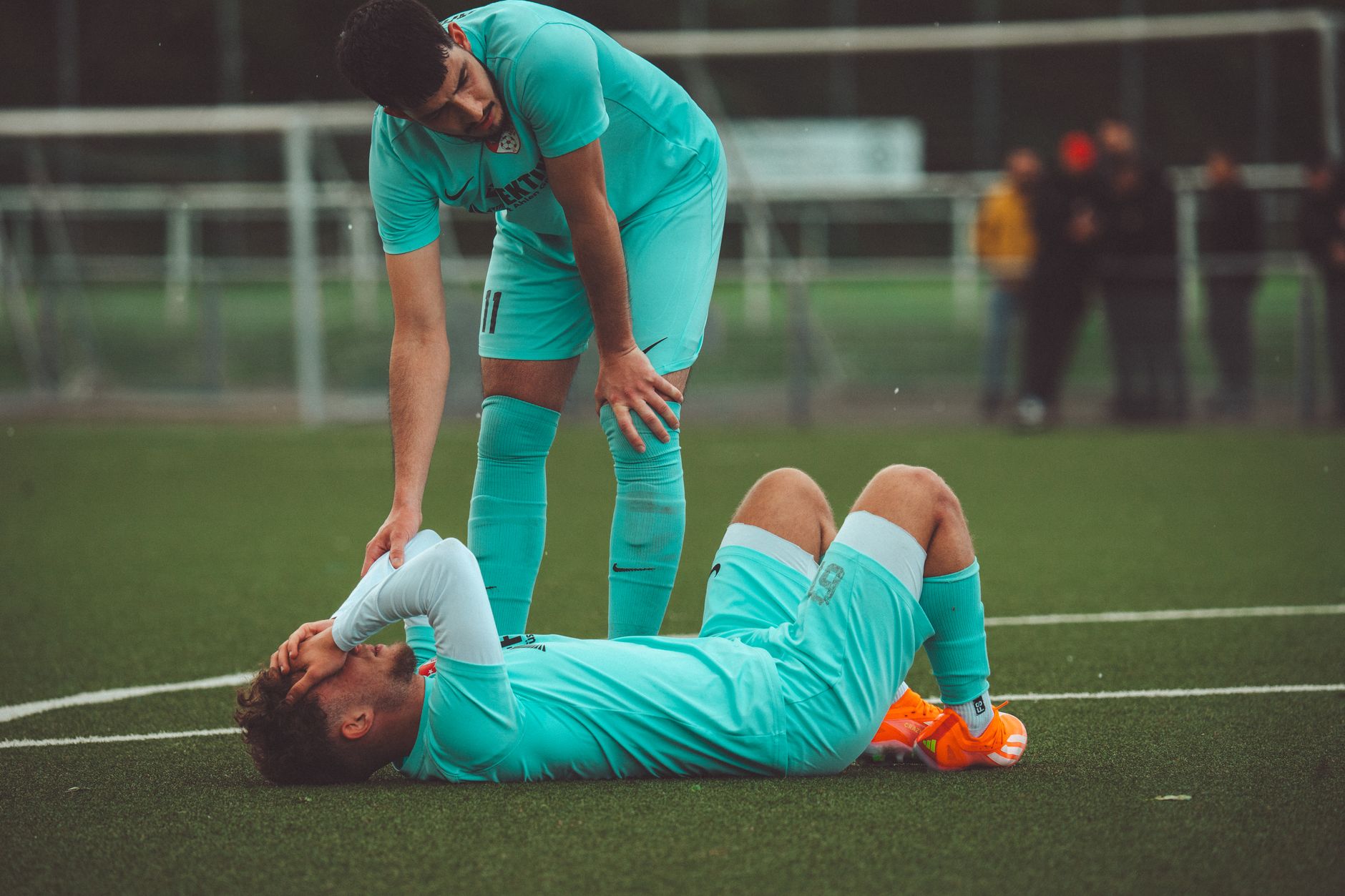
The play unfolded in the second quarter, when Moore – running outside the pocket – went into a slide, a move that typically signals to defenders that contact should be limited or avoided. Stephens hit him anyway. The force of that contact was enough to put Moore flat on the turf, and what followed was a prolonged stoppage as medical staff attended to the Oregon quarterback on the field.
A neck brace was applied before Moore was moved, and he was transported from the Coliseum by ambulance rather than leaving under his own power. The severity of the injury was not immediately confirmed, but the precautionary measures taken on the field – a neck brace, a cart, an ambulance – pointed to genuine concern among the medical staff present.
Stephens, the USC linebacker responsible for the contact, drew the attention of officials on the play. Late hits on sliding quarterbacks are among the more closely watched infractions in college football, partly because the quarterback’s defenseless position during a slide creates a high risk of serious injury.
The Broader Stakes for Oregon
Moore’s absence from the field – however long it lasts – carries weight that extends beyond this single game against USC. As a Heisman Trophy candidate, he had been building a case through the season that positioned Oregon as a program capable of competing at the highest level of college football. Losing him mid-game against a conference rival, and potentially beyond, changes Oregon’s offensive calculus in ways that are difficult to paper over quickly.
The Coliseum has hosted moments that shifted seasons before, and this one – Moore being carted off in the second quarter – has that kind of weight to it. Oregon entered this game with expectations; what those expectations look like now depends heavily on what comes out of the medical evaluation.
The Hit, the Rule, and the Risk Quarterbacks Accept
Quarterbacks who run the ball occupy a complicated space in modern football. They are athletes who gain yards with their legs, but the moment they choose to slide, they are essentially surrendering their body to a set of rules designed to protect them. When those rules are violated – as Stephens’ hit suggested – the consequences can be severe.
The late hit rule exists specifically because a sliding quarterback cannot protect himself. His momentum is downward, his hands are not braced for impact, and his neck and head are exposed. Moore’s situation – neck brace, ambulance, cart – is the scenario those rules are written to prevent.
Whether Stephens received a penalty on the play or faces any additional review from the conference is a question that will be answered in the hours and days following the game. Late hits on quarterbacks during slides have drawn escalating scrutiny across college football, with officiating crews and conference offices both applying greater pressure to eliminate the infraction.
For now, the lasting image from this second quarter is not a touchdown or a turnover. It is Moore on a cart, neck brace secured, leaving a field where he had every reason to be competing for one of college football’s most recognized individual awards. Games have turned on far less than a starting quarterback going down mid-drive, and Oregon’s night at the Coliseum shifted the moment Moore did not get up on his own.
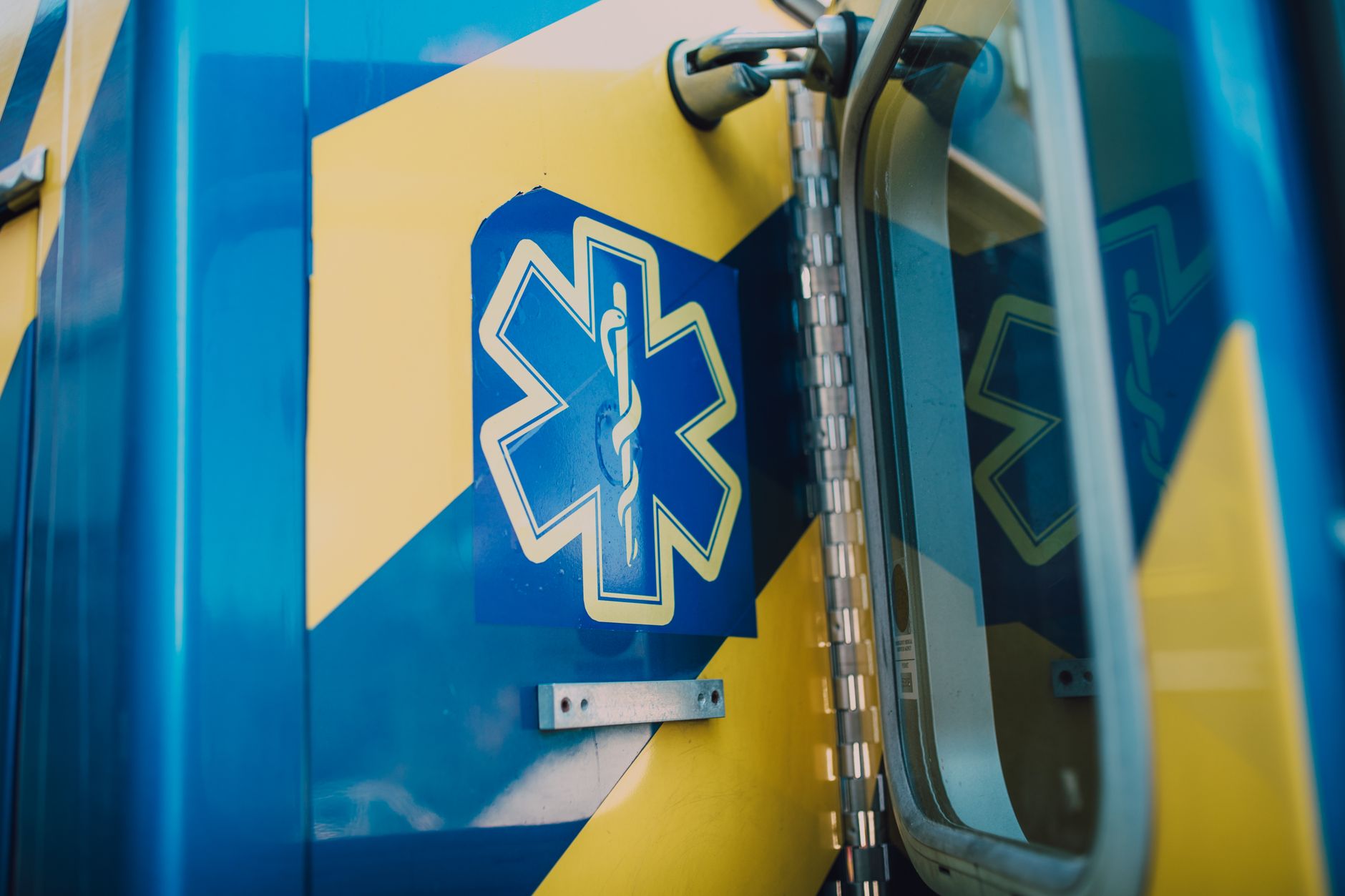
The ambulance left the Coliseum with Moore inside, and the game continued without him.