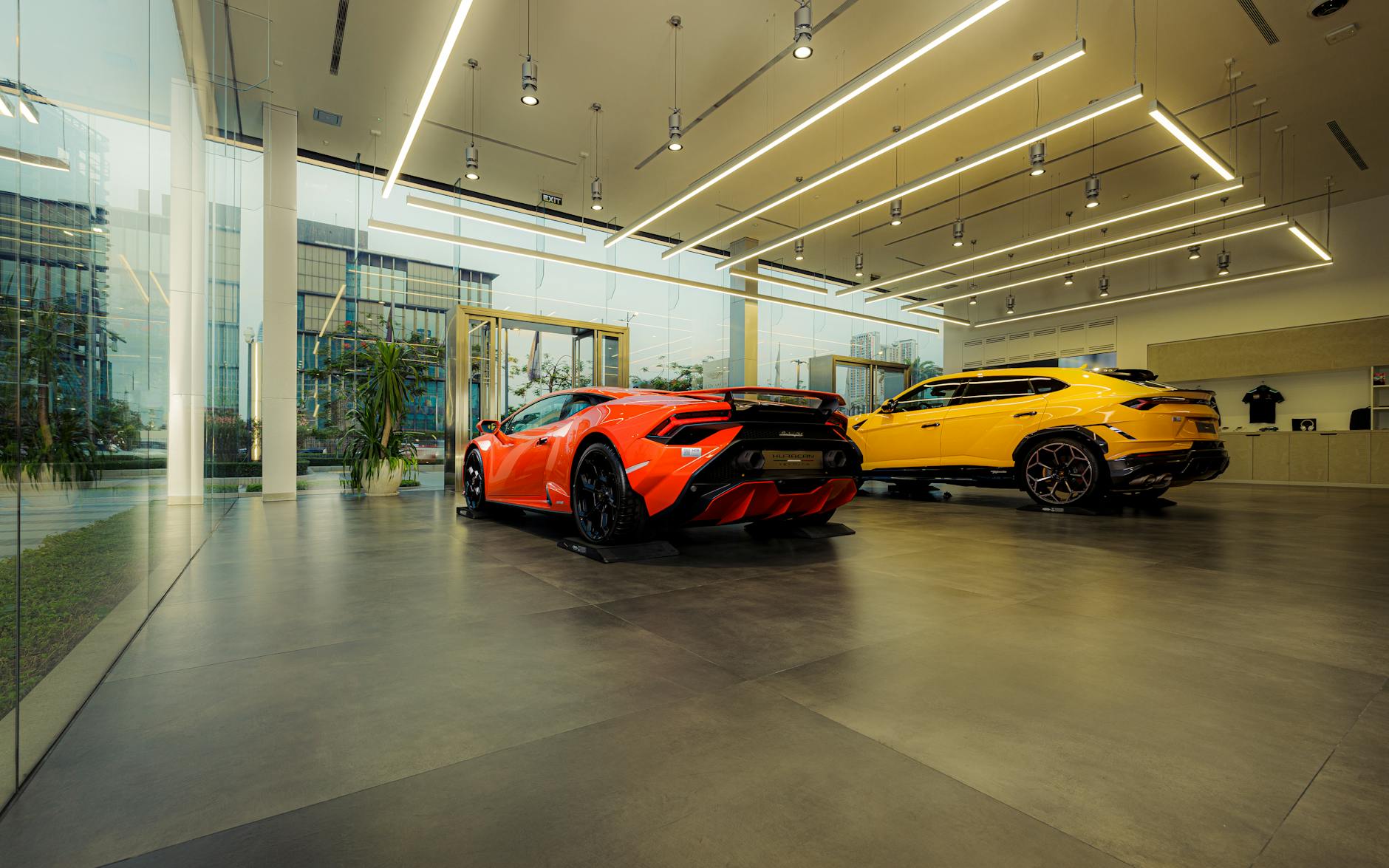



A New Architecture, A New Era for AMG
Mercedes-AMG is bringing the GT 4-Door Coupe back for the 2027 model year – and this time, it arrives as a fully electric vehicle. Built on the new AMG.EA architecture, the car marks a significant departure from the combustion-powered lineup that defined the GT nameplate for years. It is, by Mercedes-AMG’s own framing, the beginning of a new chapter for the performance division.
The 2027 GT 4-Door Coupe carries with it several Mercedes-AMG firsts, though the company has not yet detailed all of them publicly. What is clear is that the AMG.EA platform – developed specifically for high-performance electric vehicles – is doing the heavy lifting here, forming the technical foundation that everything else is built around.
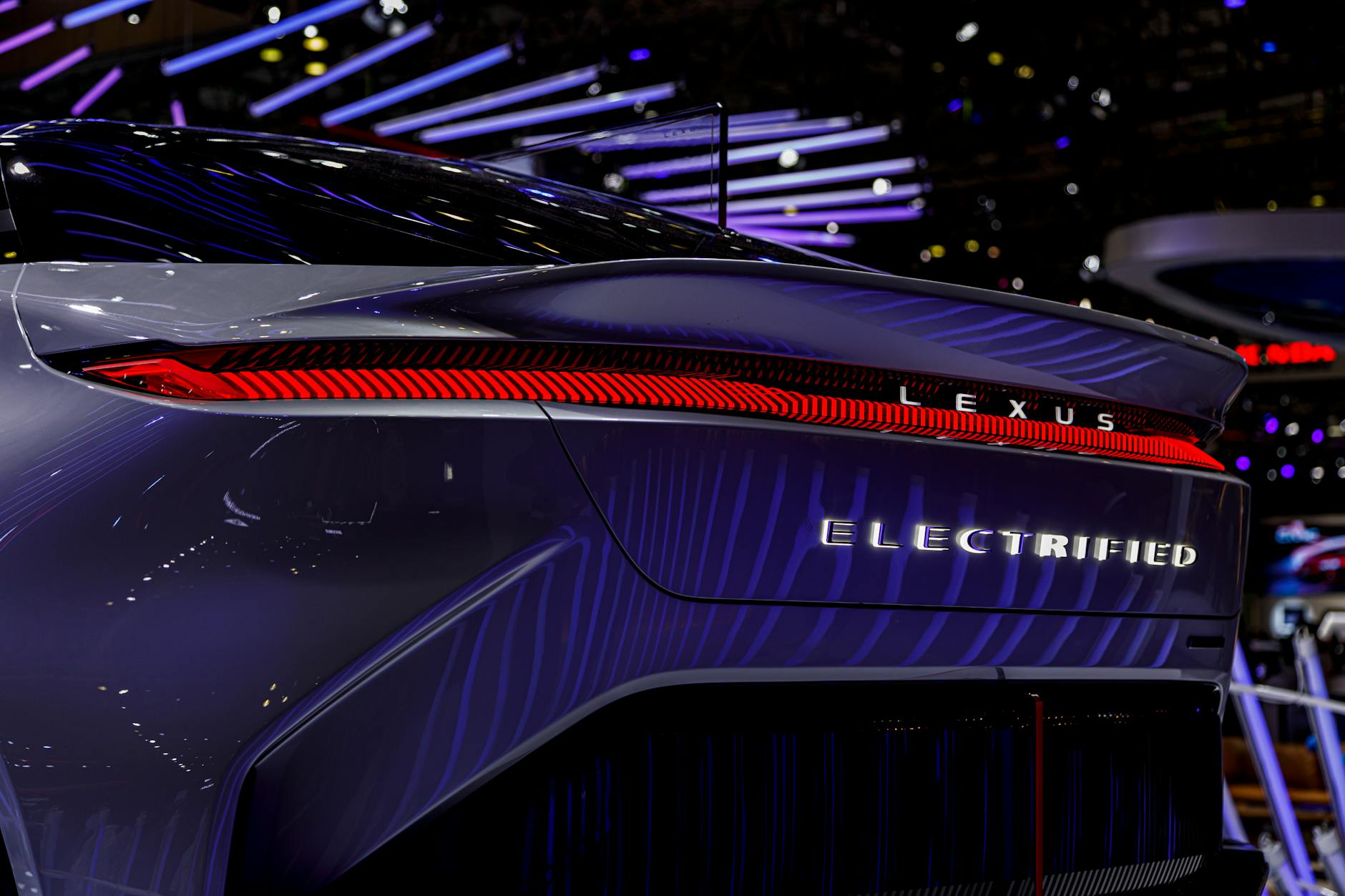
What the AMG.EA Platform Actually Means
The AMG.EA architecture is not a shared platform repurposed from a standard Mercedes-Benz EV. It was designed from the ground up with AMG-specific performance targets in mind – a distinction that matters when the brand’s identity has been built on track-ready dynamics and engine output figures that made competitors uncomfortable.
Electric performance vehicles face a particular challenge: translating raw battery output into something that feels like a driver’s car rather than a fast appliance. The AMG.EA platform is Mercedes-AMG’s answer to that problem. By controlling the architecture at the foundational level, the engineering team can tune weight distribution, torque delivery, and chassis response in ways that wouldn’t be possible on a platform shared with quieter, comfort-focused siblings.
The 4-Door Coupe body style also carries commercial weight for Mercedes-AMG. The previous combustion version of the GT 4-Door broadened AMG’s customer base considerably, pulling in buyers who wanted performance credentials with rear-seat usability. An electric version of that formula – practical enough for daily use, fast enough to justify the AMG badge – targets a growing segment of premium EV buyers who aren’t willing to trade driving character for reduced emissions.
For Mercedes-Benz Group AG as a corporate entity, the 2027 GT 4-Door Coupe is also a statement about where AMG fits inside an electrifying product portfolio. Positioning AMG as the electric performance arm – rather than a legacy holdout clinging to internal combustion – requires exactly this kind of product. A fully electric GT carrying multiple brand firsts sends a message to investors and customers simultaneously.
AMG Firsts and What They Signal
Mercedes-AMG’s decision to highlight that the 2027 GT 4-Door Coupe introduces several firsts for the brand is deliberate marketing, but it also reflects genuine engineering milestones. When a performance sub-brand transitions to electric propulsion, the first fully purpose-built platform, the first model using it, and the first production car delivering on those combined specifications each represent real development thresholds – not just talking points.
Whether those firsts translate into competitive advantage depends on what rivals bring to market around the same timeframe. Porsche’s Taycan continues to set the benchmark for electric performance sedans, and BMW’s M division is moving its own electrification timeline forward. The 2027 launch window puts Mercedes-AMG in a race where being second or third to a specification can matter as much as the specification itself.
Pricing, Output, and What Buyers Will Actually Pay
Mercedes-AMG has not released pricing or specific power output figures for the 2027 GT 4-Door Coupe. That information gap is worth noting, because AMG vehicles in this segment have historically carried substantial premiums over their standard Mercedes-Benz equivalents – and the cost of AMG.EA platform development will need to be recovered somewhere in the margin structure.
The broader luxury EV market has shown that buyers at this price point remain willing to spend, even as the mass-market EV segment faces affordability pressure. Traditional assumptions about premium pricing power are being stress-tested across asset classes, but ultra-premium performance vehicles have so far held their pricing floor more reliably than mainstream alternatives.
What Mercedes-AMG will need to demonstrate – in specifications, not press releases – is how the 2027 GT 4-Door Coupe justifies its position against a Taycan Turbo GT that already starts above $230,000 in its most extreme configuration. Range figures, 0-to-60 times, and charging speeds will be the numbers that matter when actual buyers start making comparisons.