


American retailers recorded their third consecutive month of sales increases in April, extending a streak that began in February. The momentum appears encouraging on its surface, but the underlying dynamics tell a different story about consumer spending power.
Gas station receipts drove much of the monthly gain, as motorists faced higher fuel costs rather than purchasing more gallons. When economists stripped away price increases to measure actual volume of goods sold, the spending picture looked considerably weaker.

Energy Costs Dominate Shopping Patterns
Gasoline expenditures accounted for the bulk of April’s retail advance, reflecting price spikes at the pump rather than increased consumption. Drivers found themselves paying more for the same amount of fuel, creating an artificial boost to headline sales figures that masked underlying weakness in discretionary spending.
The energy component’s outsized influence on retail data highlights how inflation distorts traditional measurements of economic health. While total dollar amounts spent increased, the actual quantity of goods purchased by American households showed minimal growth compared to previous months.
Consumer Purchasing Power Under Pressure
Inflation-adjusted retail activity painted a more sobering picture of household finances in April. After accounting for rising prices across categories, real spending growth slowed significantly compared to the nominal increases reported in headline figures. This gap between dollar amounts and actual purchasing volume reveals the strain that persistent price pressures place on family budgets.
The divergence between nominal and real spending growth has become a recurring theme in recent economic data. Consumers continue to open their wallets, but they’re getting less for their money across broad swaths of the retail landscape. This dynamic forces households to make increasingly difficult trade-offs between different spending categories.
Food and housing costs continue to claim larger shares of household budgets, leaving less room for discretionary purchases. The shift in spending allocation becomes particularly evident when examining categories beyond essentials like gasoline and groceries. Entertainment, clothing, and home improvement sectors showed mixed results as families prioritized basic needs over optional purchases.
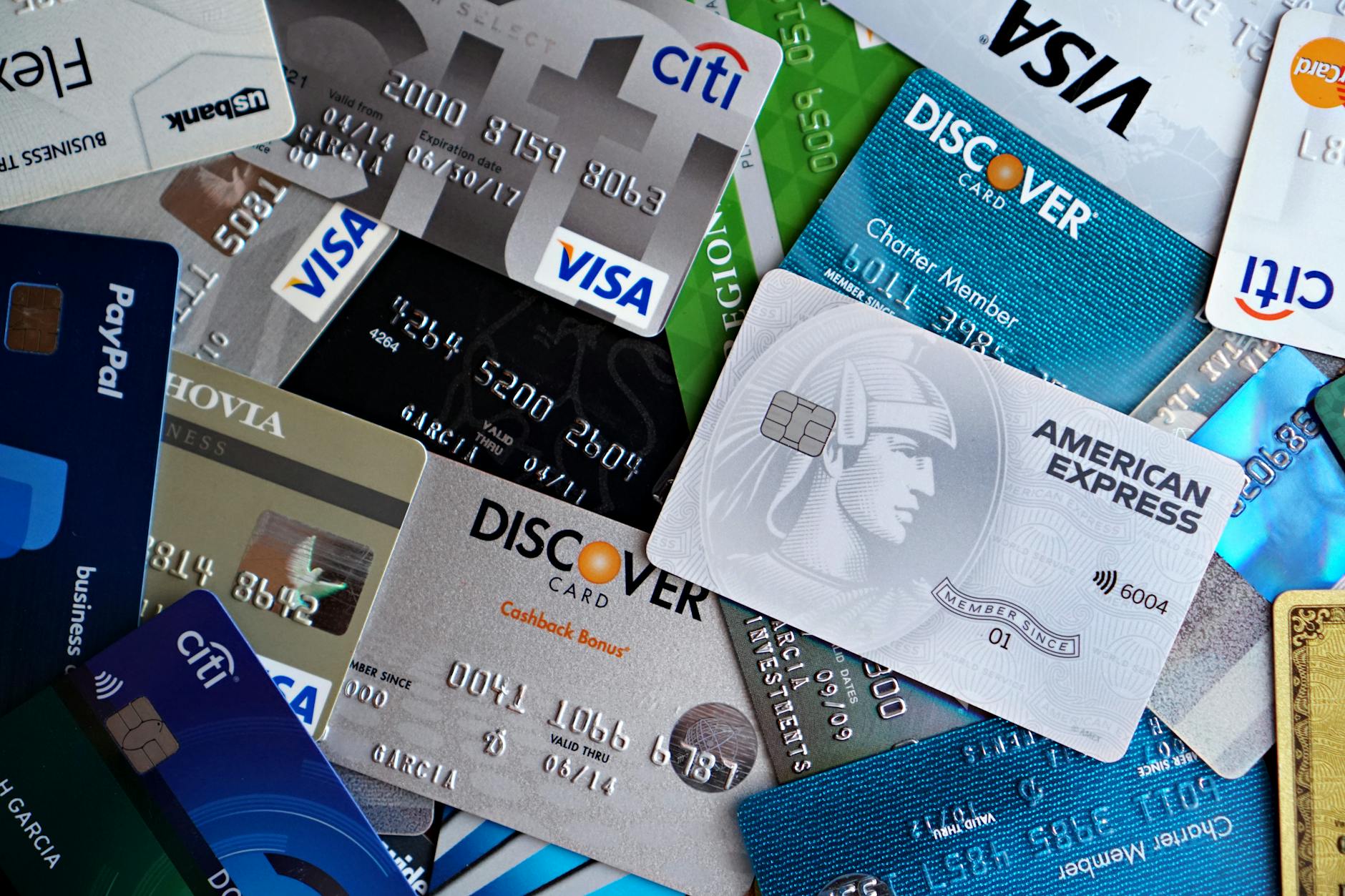
Credit card usage patterns during April suggest consumers increasingly rely on borrowed money to maintain spending levels. This borrowing behavior indicates that many households struggle to match their desired consumption with current income levels, potentially setting up future financial stress as debt service costs rise.

Retail Sector Performance Varies Widely
Individual retail categories experienced dramatically different performance levels during April, with energy-related spending masking weakness elsewhere. Department stores and specialty retailers faced particular challenges as consumers shifted dollars toward necessities and away from discretionary items.
Online retail growth also moderated compared to earlier months, suggesting that even digital commerce faces headwinds from changing consumer behavior. The e-commerce sector had previously shown resilience during inflationary periods, but April data indicated broader spending caution among households.
Economic Implications for Coming Months
The disconnect between headline retail sales growth and inflation-adjusted spending raises questions about economic momentum heading into summer. Consumer spending drives roughly two-thirds of U.S. economic activity, making retail trends a critical indicator for overall growth prospects. When households reduce real purchases despite spending more dollars, it signals potential economic deceleration ahead.
Federal Reserve officials closely monitor retail spending patterns as they evaluate monetary policy decisions. The April data provides mixed signals – nominal growth suggests continued economic activity, while real spending weakness indicates tighter household budgets. This complexity complicates policy deliberations about interest rates and inflation targets.
Corporate earnings reports from major retailers in coming weeks will provide additional insight into how inflation affects both consumer behavior and business profitability. Companies face the dual challenge of managing their own rising costs while serving customers who have less purchasing power despite higher nominal incomes. Will retailers maintain pricing power, or will consumer resistance force margin compression across the sector?