


A Shifting World Order Has One Clear Trade Idea
As the U.S.-Iranian conflict reshapes alliances and energy flows across the Middle East, one market strategist argues that China is emerging from the turbulence in a stronger geopolitical position – and that financial markets have not yet fully priced in what that means for the U.S. dollar or for gold.
The thesis is straightforward: China wins, the dollar loses, and gold rises.
That framing may sound blunt, but the logic behind it runs through currency reserves, energy dependence, and the slow erosion of dollar dominance that has been building for years beneath the surface of headlines focused on military movements and diplomatic standoffs. The U.S.-Iranian conflict has accelerated a process that was already underway, and China’s ability to hold its ground – economically and diplomatically – through that period of instability is what makes the strategist’s call worth examining in detail.
What China’s Resilience Actually Signals
China’s position in the Middle East has never been purely military. Its influence runs through oil purchase agreements, infrastructure investment, and diplomatic neutrality that gives it access to parties the United States cannot easily engage. When the U.S.-Iranian conflict intensified, China did not retreat from that posture – it held it, and in doing so, reinforced its standing with regional players who are increasingly unwilling to treat the dollar-denominated financial system as a given.
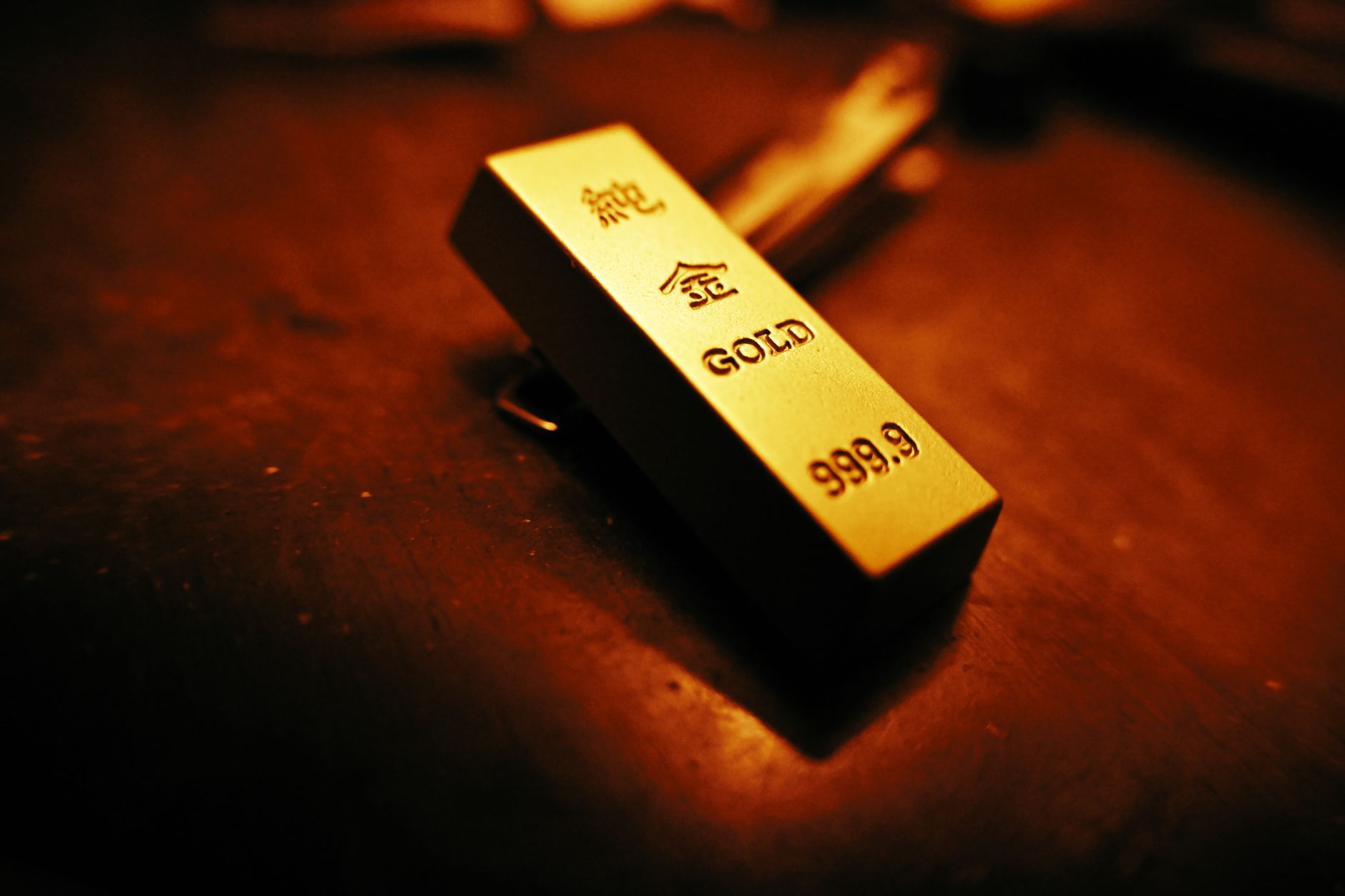
That matters for gold because the metal has historically absorbed demand when confidence in dollar-based assets weakens. Central banks outside the Western alliance – many of them in regions directly affected by or adjacent to the U.S.-Iranian conflict – have been adding gold to reserves at a rate not seen in decades. China’s own gold accumulation has been well-documented. If Beijing’s regional influence expands as a result of the current conflict dynamics, the downstream effect on reserve diversification trends could be significant.
The strategist’s argument is not that the dollar collapses overnight. It is that the direction of travel is now clearer, and that gold is the most direct way to position for a world in which the dollar’s share of global reserves continues to shrink. That is a structural trade, not a short-term one, and it requires a different kind of patience than most earnings-driven investment theses demand.
Dollar Risk and the Earnings Connection
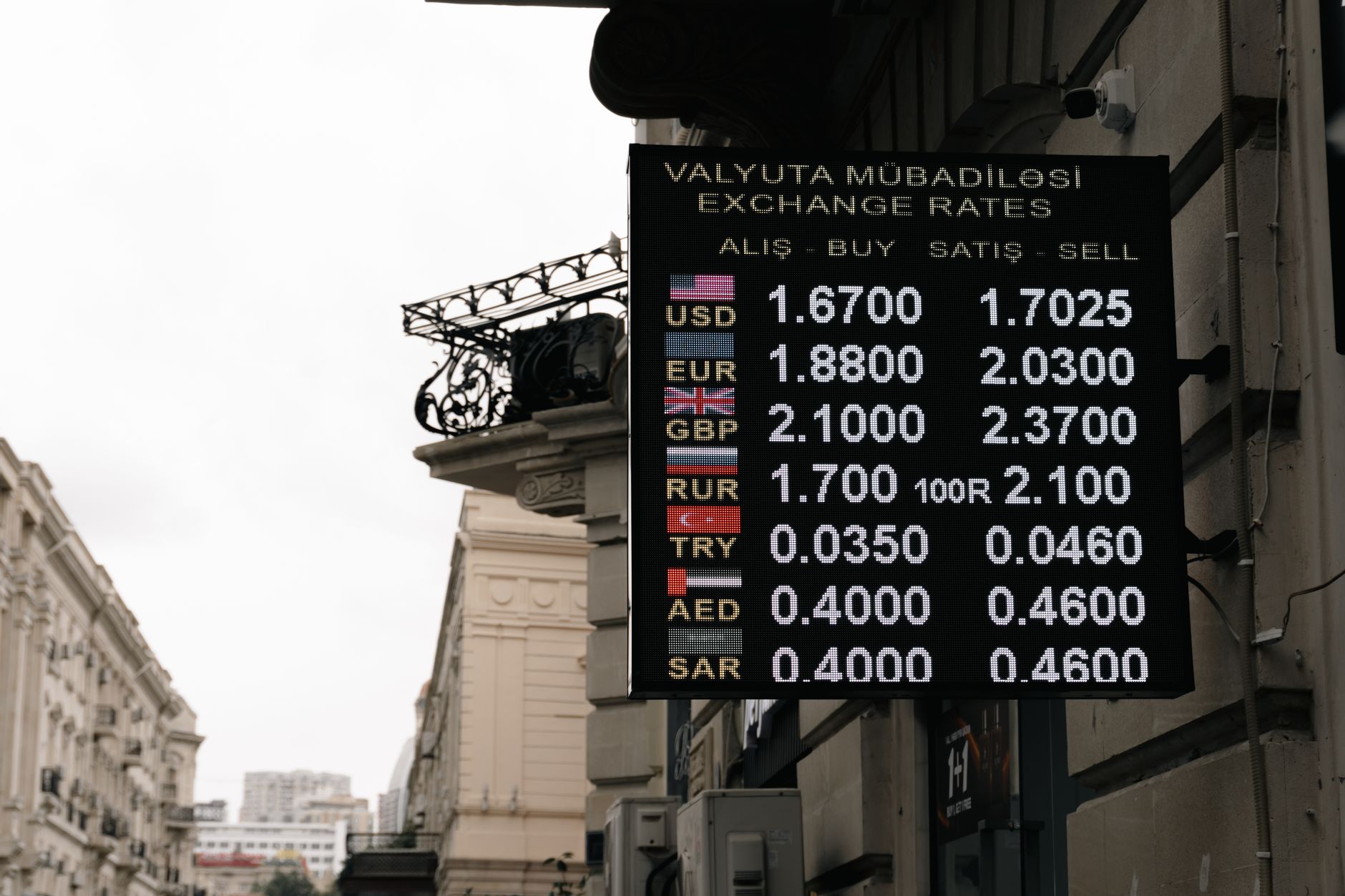
For investors focused on corporate earnings, a weaker dollar is not a neutral backdrop. U.S. multinationals that generate significant revenue overseas benefit when the dollar falls, because foreign earnings translate back at more favorable rates. That dynamic has shown up repeatedly in earnings seasons when the dollar has softened – companies in technology, industrials, and consumer goods tend to report stronger top-line numbers even when underlying demand is flat. A sustained dollar decline driven by geopolitical repositioning, rather than Federal Reserve policy alone, would extend that tailwind further and potentially change how analysts model revenue for internationally exposed companies.
At the same time, a rising gold price has its own earnings implications. Mining companies see margin expansion when gold prices climb without a corresponding rise in extraction costs. Royalty and streaming companies, which have more fixed cost structures, see even more direct leverage to the gold price. If the strategist’s call proves correct and gold advances on the back of dollar weakness and reserve diversification, that segment of the market stands to report materially stronger earnings over the coming quarters.
The link between Middle East conflict dynamics and U.S. corporate earnings is rarely drawn directly, but it runs through energy prices, currency moves, and the confidence of foreign investors in dollar-denominated assets. A world in which China consolidates influence in the region is also a world in which the petrodollar arrangement – the informal agreement that oil is priced and settled in dollars – faces more consistent pressure. That pressure does not need to produce a dramatic break to affect earnings; even marginal shifts in how large oil importers settle trades can alter currency demand enough to move the dollar index in ways that show up in quarterly results. For more on how geopolitical stress is filtering into inflation and rate expectations, see IMF Warns Iran Conflict Will Keep U.S. Inflation Elevated Through 2027.
The Trade and What It Demands
Positioning for dollar weakness and gold strength is not a new idea – it resurfaces in some form during nearly every period of elevated geopolitical stress. What makes the current version of the argument different, according to the strategist, is that China’s resilience in the face of U.S.-Iranian conflict pressure represents something more durable than a temporary safe-haven rotation. It reflects a sustained shift in which countries are willing to operate outside the dollar system, and which are being given viable alternatives to doing so. That is the part of the thesis that markets have been slow to price.
Gold closed out recent sessions with gains that analysts attributed partly to safe-haven demand and partly to dollar softness. Whether those moves represent the early stages of the trend the strategist is describing, or simply the usual conflict-driven noise, depends entirely on whether China’s regional positioning holds – and whether the countries that matter most to oil pricing and reserve management decide that holding more gold and fewer dollars is the rational response to what they are watching unfold.