



Blaze Reported at Major Grain Processing Facility
A fire broke out at a Quaker Oats manufacturing plant in Cedar Rapids, Iowa, prompting an emergency response from local firefighters on Tuesday afternoon. The Cedar Rapids Fire Department confirmed units were dispatched to the facility at approximately 4:45 p.m.
No injuries were immediately reported following the incident, according to initial information released by fire officials. The cause of the fire had not been disclosed at the time of early reports.

Cedar Rapids Facility and Its Role in Quaker’s Operations
The Cedar Rapids plant is part of Quaker Oats’ broader manufacturing network, which sits under PepsiCo’s umbrella following the company’s acquisition of Quaker Oats in 2001. Iowa has long been a natural home for grain processing operations, given the state’s agricultural output, and Cedar Rapids specifically hosts several large-scale food production facilities that feed national supply chains.
Any disruption to a plant of this kind – even a temporary one – carries potential downstream consequences for product availability and local employment. Cedar Rapids is home to one of the largest Quaker Oats operations in the country, and the facility produces oat-based products distributed across North American markets. The scope of any damage, and how quickly production could resume, remained unclear in the immediate aftermath of the fire department’s response.
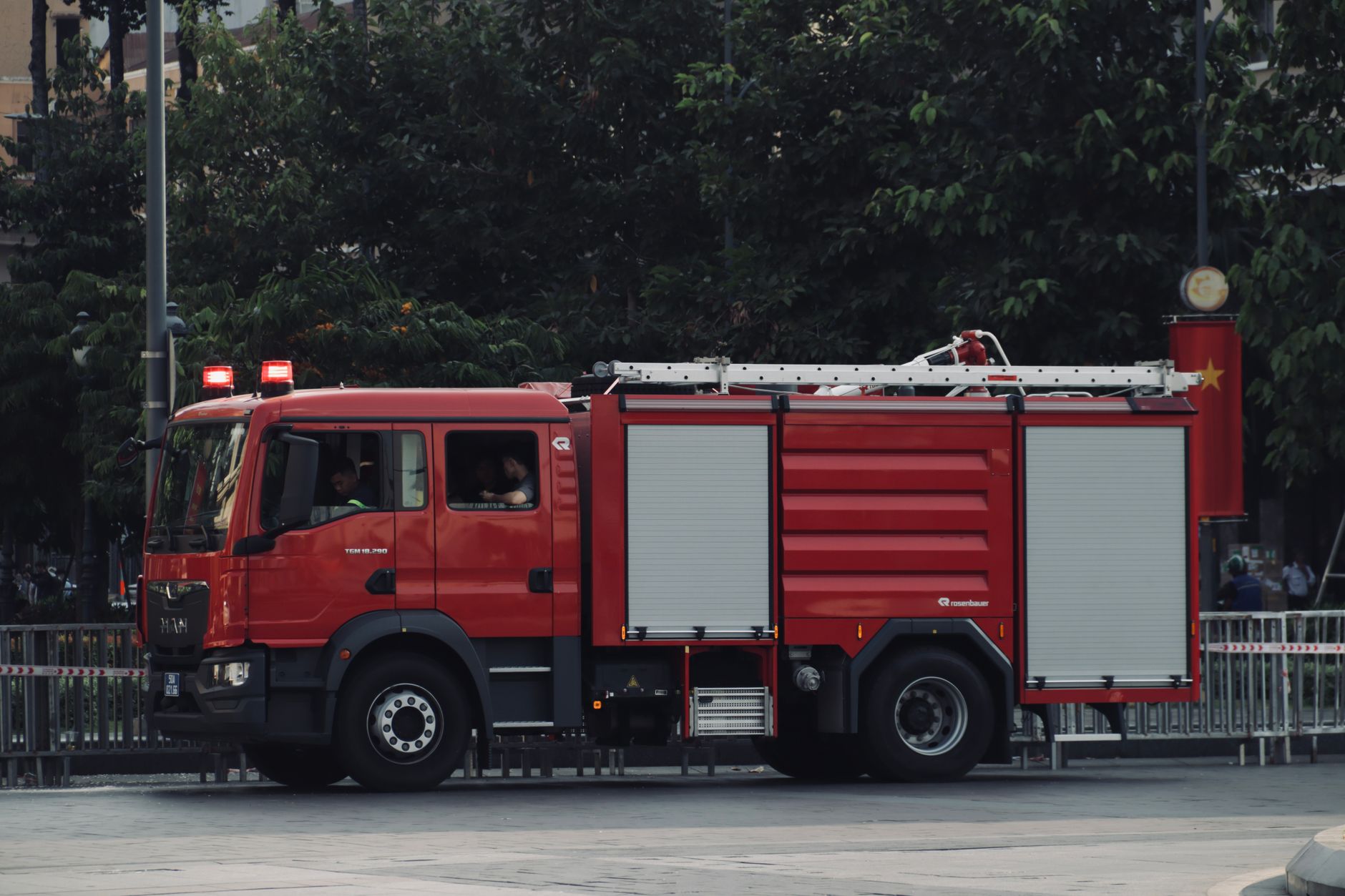
Emergency Response
Cedar Rapids firefighters moved quickly after receiving the call just before 5 p.m. The timing – late afternoon on a weekday – meant the plant was likely in active operation, though whether any workers were present in the affected area at the moment the fire started was not immediately confirmed.
The absence of reported injuries is notable given that food manufacturing environments involve equipment that operates at high temperatures, flammable materials like grain dust, and complex machinery that can accelerate fire spread. Grain dust fires, in particular, are a well-documented hazard in food processing plants – fine particulate matter suspended in the air can ignite rapidly under the right conditions.
Fire departments responding to industrial food facilities typically coordinate with plant safety teams and may call in mutual aid from neighboring municipalities depending on the scale of the blaze. Whether additional units were requested in Cedar Rapids was not confirmed in initial reports.
Local emergency services in Cedar Rapids have experience managing industrial incidents given the concentration of food and grain processing operations in the area. The city sits along the Cedar River and has historically been a hub for companies like Quaker Oats, General Mills, and others operating at significant industrial scale.
What Comes Next
The full extent of structural or equipment damage to the plant will determine whether production faces a short-term pause or a more extended shutdown. For a company the size of PepsiCo, the financial impact of a single facility fire would depend heavily on whether the damage reached production lines, storage areas, or remained contained to a smaller section of the building.
PepsiCo had not issued a public statement on the fire as of early reports. Companies in these situations typically wait until fire officials clear the scene and an initial damage assessment is completed before commenting publicly.
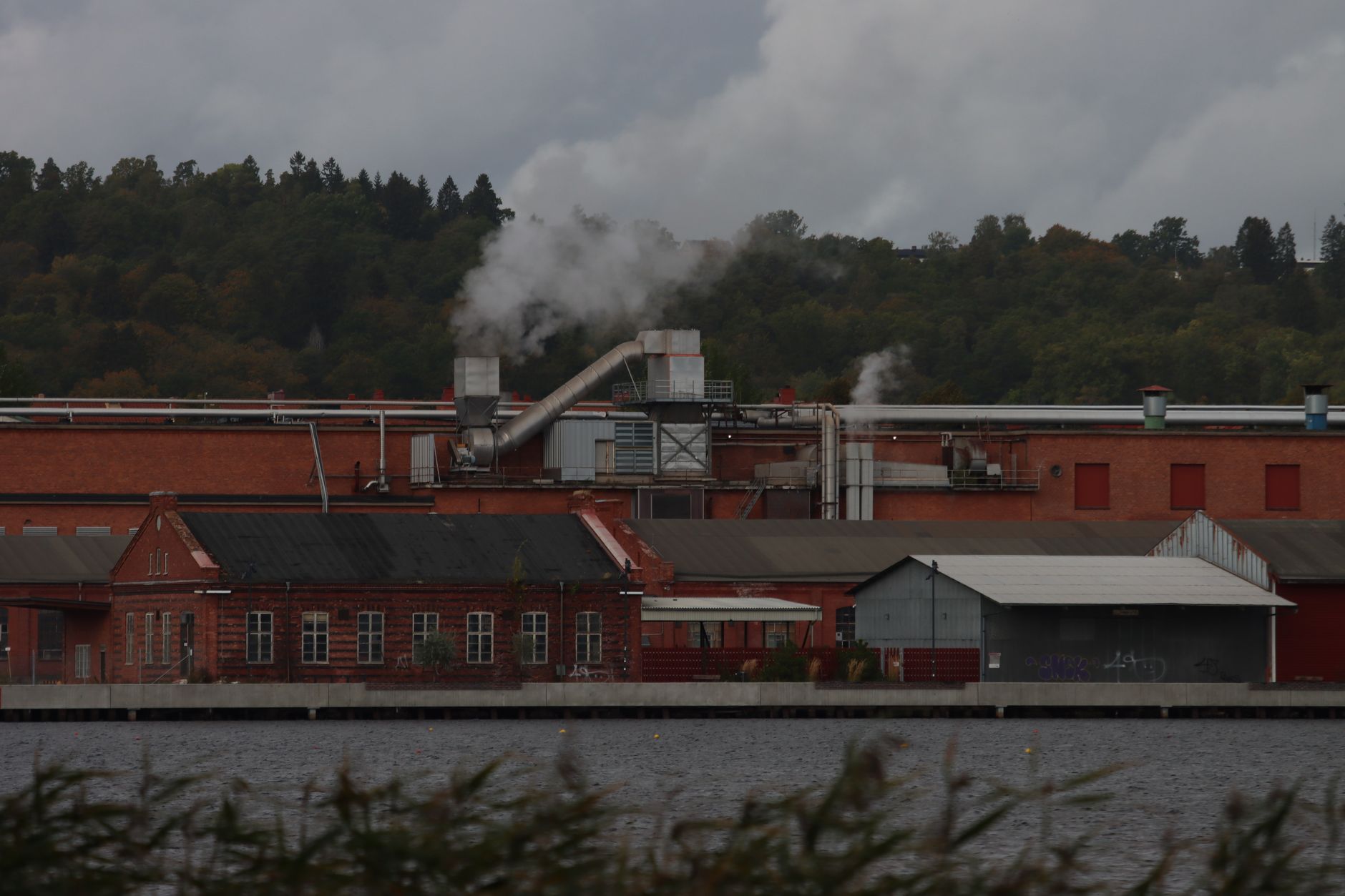
Broader Context for Industrial Fire Risk
Food manufacturing plants face above-average fire risk compared to many other industrial categories, largely because of the combination of heat-generating equipment, combustible raw materials, and continuous operation schedules that reduce downtime for maintenance and inspection. The Occupational Safety and Health Administration tracks grain handling facilities specifically as high-hazard environments, with grain dust explosions and fires accounting for serious incidents across the industry over the decades.
For Cedar Rapids, the Quaker Oats plant represents not just an industrial site but a significant local employer and an economic anchor in a city of roughly 135,000 people. Whether Tuesday’s fire amounts to a contained equipment issue or something that pulls workers off the floor for days or weeks is the question that now sits with plant managers, insurance adjusters, and fire investigators sifting through the scene at 4:45 p.m.’s aftermath.