


The Body Is Ready. The Brain Is Not.
Humanoid robots can walk, lift, and navigate physical environments with increasing confidence. What they cannot do reliably is remember what happened yesterday, or learn from a mistake made this morning. That gap – between mechanical capability and cognitive retention – is now the defining constraint on whether humanoid robots become a genuine industrial force or remain an expensive novelty cycling through trade show floors.
The hardware side of the equation has advanced faster than most industry observers expected. Actuators, balance systems, and sensor arrays have reached a point where a humanoid can handle tasks that would have seemed like science fiction a decade ago. The software and memory architecture powering those machines, however, has not kept pace, and that imbalance is shaping where investment dollars are flowing and which companies are closest to fielding robots that actually improve on the job.
Why Memory Is the Missing Piece
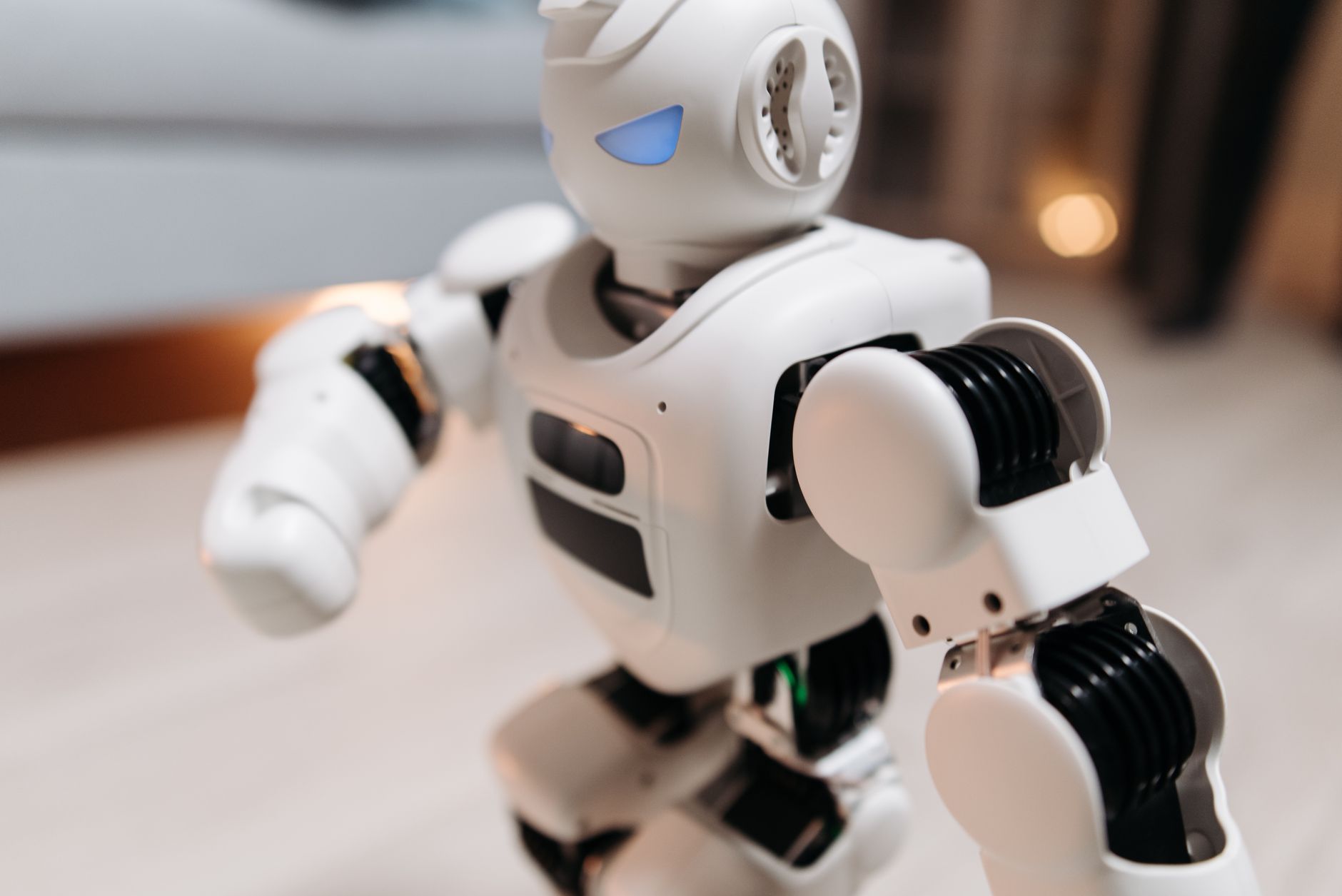
A robot that cannot retain information is a robot that has to be retrained constantly. In a warehouse or manufacturing line, that is not a minor inconvenience – it is a fundamental operational problem. Every time a humanoid encounters a task variation it has seen before but cannot recall, it either fails, pauses for human intervention, or executes poorly. Multiply that across hundreds of units running shifts around the clock, and the productivity case for humanoid labor starts to erode quickly.
The technical challenge is specific. Current humanoid systems struggle with what researchers describe as long-term contextual memory – the ability to store an experience, index it meaningfully, and retrieve it accurately when a similar situation arises later. Short-term task execution has improved, but durable learning, the kind that accumulates over days and weeks of real-world operation, remains underdeveloped relative to what commercial deployment actually demands.
Memory Technology as the Next Investment Frontier
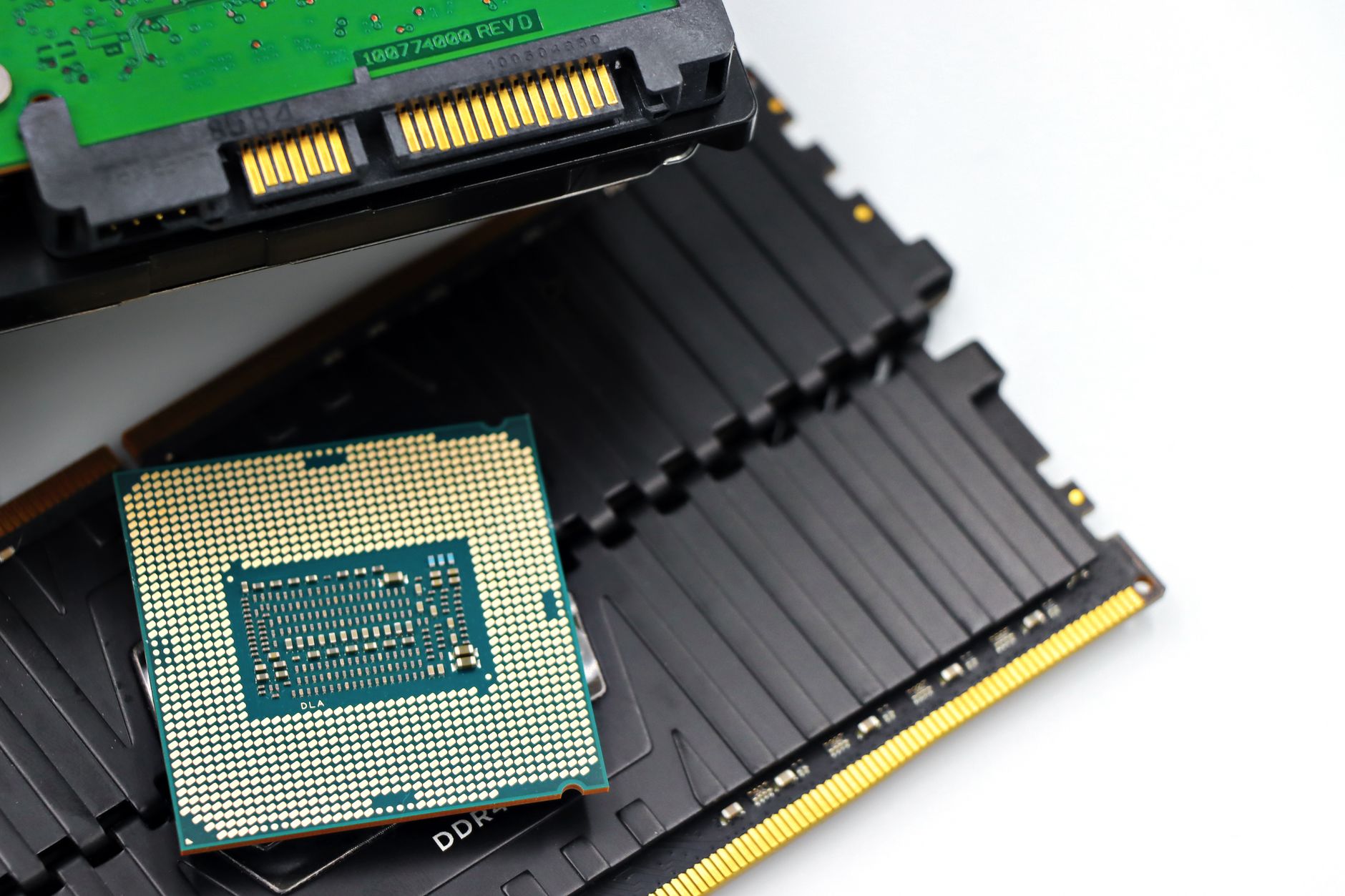
What follows from that gap is a commercial opportunity for the companies building memory architecture designed specifically for robotics workloads. General-purpose memory chips were not engineered with the retrieval patterns and processing demands of an embodied AI system in mind. A humanoid robot accessing learned behaviors mid-task has different latency and throughput requirements than a data center server running batch inference. That distinction is beginning to register with hardware developers and the venture capital firms funding them.
Progress on this front will not come from a single breakthrough. It is more likely to emerge from incremental advances across several interconnected areas: storage density, retrieval speed, on-device processing power, and the software frameworks that organize what a robot actually learns from physical experience. Each of those layers has its own development timeline and its own set of companies competing for position.
The firms best positioned in this space are those that can close the loop between experience and retention – meaning a robot does something, encounters an outcome, stores a useful representation of what happened, and draws on that representation accurately the next time conditions are similar. That feedback loop is the foundation of genuine machine learning in a physical environment, and it is where the technical distance between current systems and commercially viable humanoids is most visible.
For investors watching the humanoid sector, the memory question matters because it is directly connected to the unit economics of robot deployment. A humanoid that learns progressively gets more valuable over time without proportional increases in operating cost. A humanoid that does not retain information stays flat in capability while accumulating maintenance and retraining expenses. That distinction will show up in the earnings profiles of companies deploying humanoid fleets at scale, and it will differentiate operators who generate returns from those who absorb write-downs.
What Better Brains Would Actually Change
If memory technology catches up to the mechanical capability already built into leading humanoid platforms, the downstream effects reach well beyond factory floors. Logistics, elder care, construction support, and retail fulfillment are all sectors where humanoid labor has been theorized as a cost-reduction tool, but where inconsistent performance tied to poor retention has kept real deployment limited. Solving the memory problem does not just improve the robot – it unlocks the business case across multiple industries simultaneously.
That is why the phrase “upend life as we know it” keeps appearing in discussions about humanoid potential. It is not hyperbole applied to a single industry disruption. It reflects the breadth of applications that become viable once a humanoid can remember, adapt, and improve without constant human supervision. The caveat embedded in every optimistic forecast is the same: if the memory architecture gets there first.
The Earnings Angle Companies Are Not Fully Disclosing
Public companies with humanoid exposure – whether as robot manufacturers, component suppliers, or software developers – are not yet being pressed hard by analysts on the memory limitation specifically. Earnings calls tend to focus on unit shipments, partnership announcements, and broad capability demonstrations. The underlying question of whether deployed robots are actually learning and improving in the field is harder to quantify and easier to avoid. That will change as deployments scale and performance data becomes harder to obscure behind curated demos.
Memory technology suppliers, some of which are publicly traded and others still in private funding rounds, are beginning to position themselves explicitly around the robotics use case. Their pitch is straightforward: the bottleneck holding back humanoid commercialization is not the arm or the leg or the camera – it is what happens between experiences and how durably those experiences are stored and retrieved. Companies that solve that problem at the chip or architecture level will sit upstream of every humanoid manufacturer that needs to ship a robot capable of getting better at its job.
The question hanging over the next several years of humanoid development is whether memory advances fast enough to match the commercial timelines robot manufacturers are already promising customers. Several companies have made deployment commitments measured in the near term. If the cognitive infrastructure is not ready when those contracts come due, the gap between what was sold and what arrives on the factory floor will be difficult to explain in an earnings release – or to a CFO who signed the purchase order expecting a machine that actually learns.