

A Warning Shot From Musk
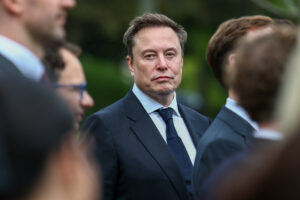
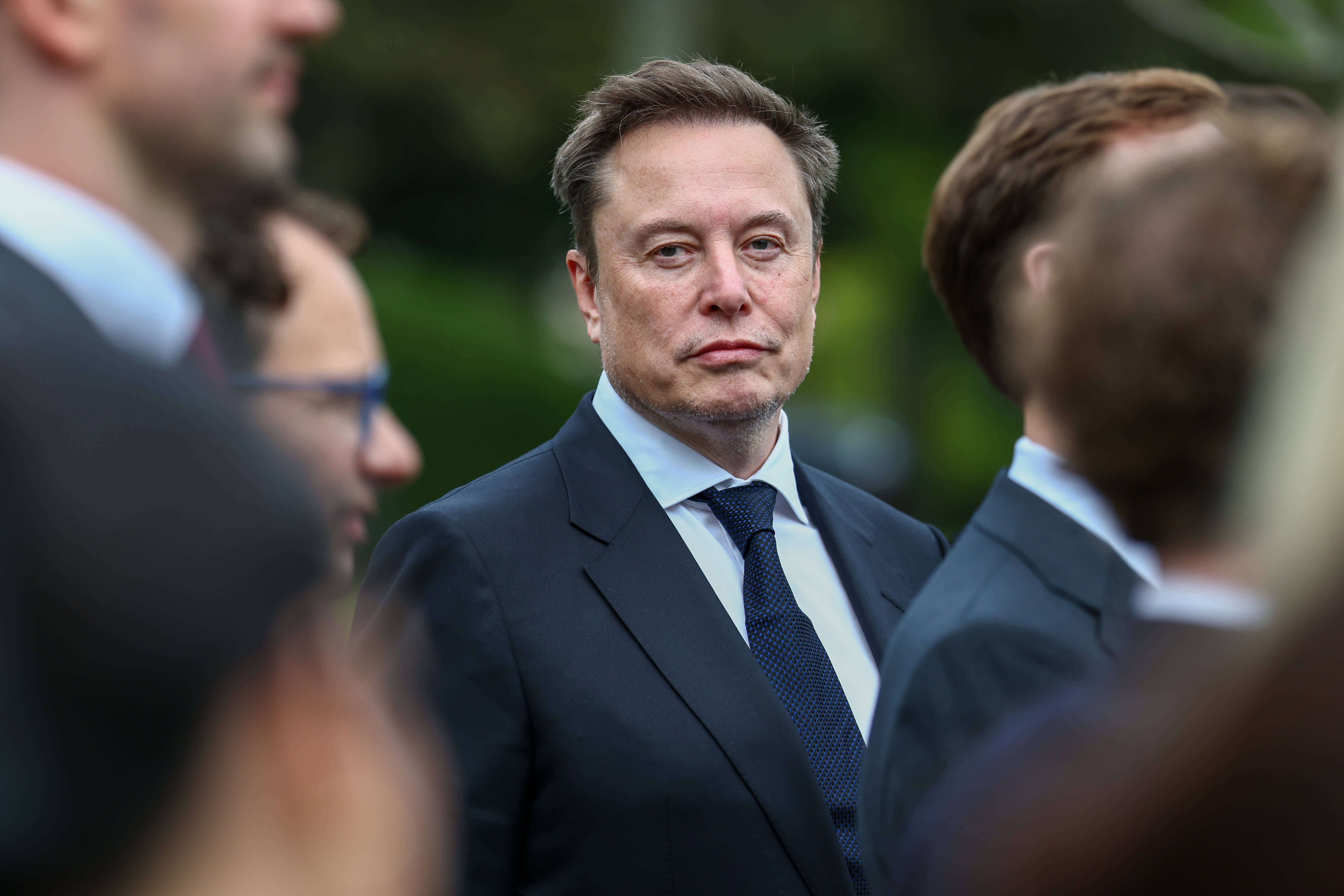
Elon Musk put a number on the coming shakeout: more than 200 neocloud companies, he said, are headed for what he called “guppy-level death.” The comment landed hard on investors already sitting with doubts about whether the debt-heavy model powering AI infrastructure expansion can sustain itself long enough to pay off. Neocloud stocks fell in response, with names including CoreWeave, Nebius, and IREN absorbing the pressure.
The sell-off was not built purely on Musk’s words. It landed on top of a question that has been growing louder in financial circles for months – whether the extraordinary capital being poured into AI infrastructure will ever produce returns proportionate to the risk being taken on.
What Neoclouds Are and Why They’re Vulnerable
Neoclouds occupy a specific and increasingly scrutinized corner of the AI infrastructure market. Unlike hyperscalers such as Amazon Web Services, Microsoft Azure, or Google Cloud, neoclouds are purpose-built GPU rental platforms – companies that borrow money to buy large quantities of Nvidia chips, then lease that computing capacity to AI developers who need it to train and run models. The business logic is straightforward: AI demand is surging, chips are scarce, so stand up capacity and collect the spread.
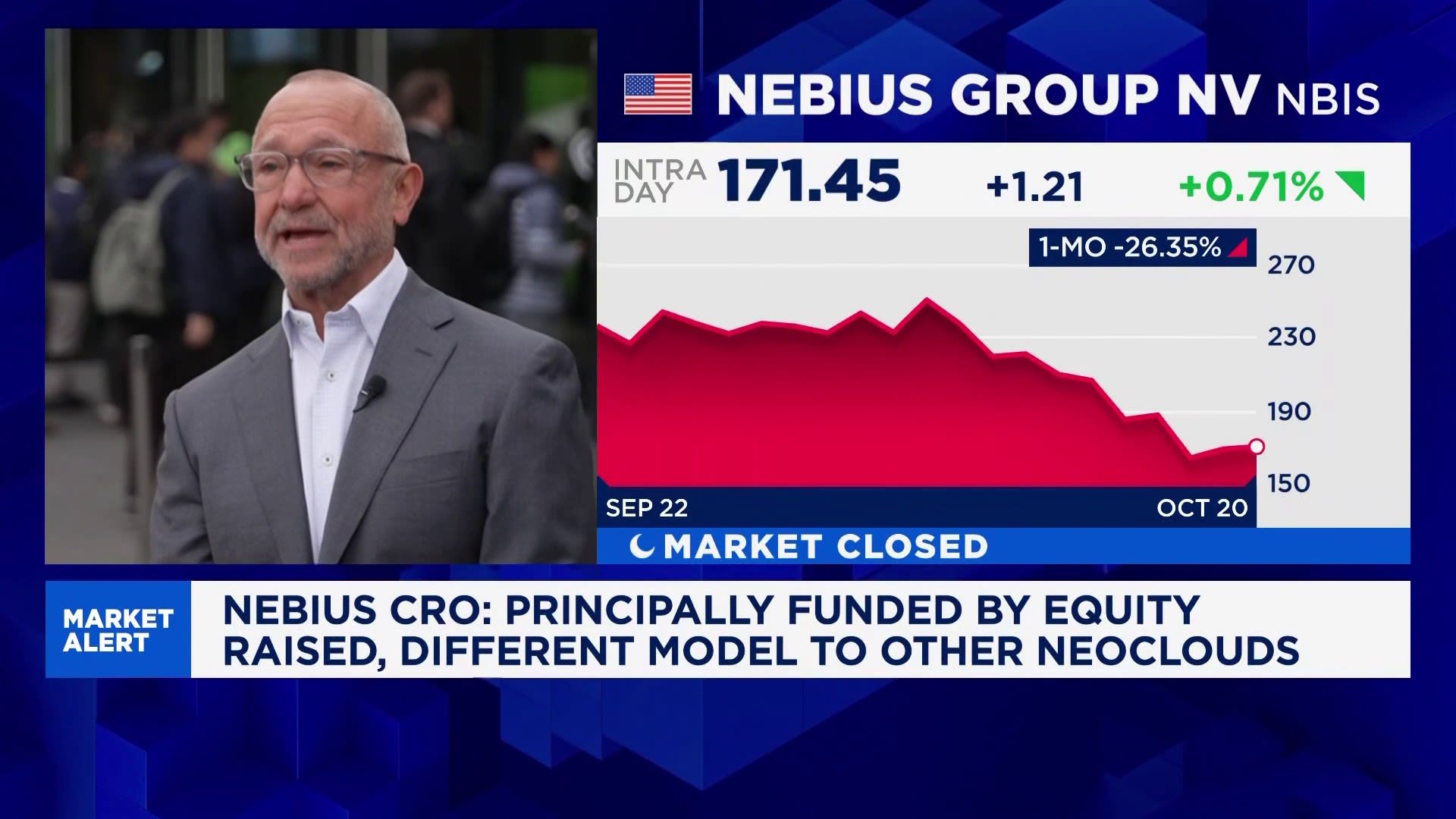
The vulnerability in that model sits in the financing. These companies have taken on significant debt to acquire hardware that depreciates quickly, in a market where pricing power could erode as supply catches up to demand. CoreWeave, one of the most visible names in the space, went public earlier in 2025 carrying a debt load that drew attention during its IPO roadshow. The company priced at $40 per share in March 2025 and has faced volatile trading since. Nebius and IREN, two other names caught in Monday’s decline, operate under similar structural pressures – capital-intensive buildouts funded on the assumption that GPU rental rates hold and AI customers keep spending.
The Debt Math That Worries Investors
Borrowing to buy depreciating hardware is not inherently fatal, but the margin for error is narrow. Nvidia’s H100 and H200 GPUs – the chips at the center of most neocloud inventories – do not retain value the way real estate or certain industrial assets might. A next-generation chip release, a softening in AI training demand, or a meaningful drop in rental pricing can turn a viable balance sheet into a distressed one faster than the debt matures.
That timing risk is the crux of what investors are now pricing in. The AI infrastructure buildout that began accelerating in 2023 was premised on scarcity. Hyperscalers could not get chips fast enough, and enterprise AI customers needed compute on short notice without committing to long-term cloud contracts. Neoclouds filled that gap. But as Nvidia ramps production and hyperscalers expand their own capacity, the gap neoclouds were built to fill is narrowing – and the debt they took on to fill it remains.
Musk’s “guppy-level death” framing is blunt, but it points at something the market has been circling: when large players with deep balance sheets compete directly for the same customers, smaller, leveraged competitors tend to get squeezed out rather than acquired. A guppy does not get bought – it gets eaten or starved. The question is whether neoclouds with established customer contracts and differentiated offerings can hold ground long enough to refinance into a more stable position, or whether rising debt service costs and softening rates arrive at the same time.
There is also a customer concentration problem embedded in some of these businesses. A handful of large AI companies – the hyperscalers and well-funded foundation model labs – account for a disproportionate share of neocloud revenue. Losing one major contract does not just dent revenue. For a company carrying heavy debt, it can trigger a covenant violation or force an asset sale at the worst possible moment.
CoreWeave, Nebius, and IREN in the Crosshairs
CoreWeave entered public markets in March 2025 as one of the most anticipated technology IPOs of the year, with a valuation built on its position as a large-scale GPU cloud provider with Microsoft as a significant customer. The IPO priced below initial expectations, a signal that institutional investors were already applying a skepticism discount to the neocloud model even before Musk’s comments entered the conversation.
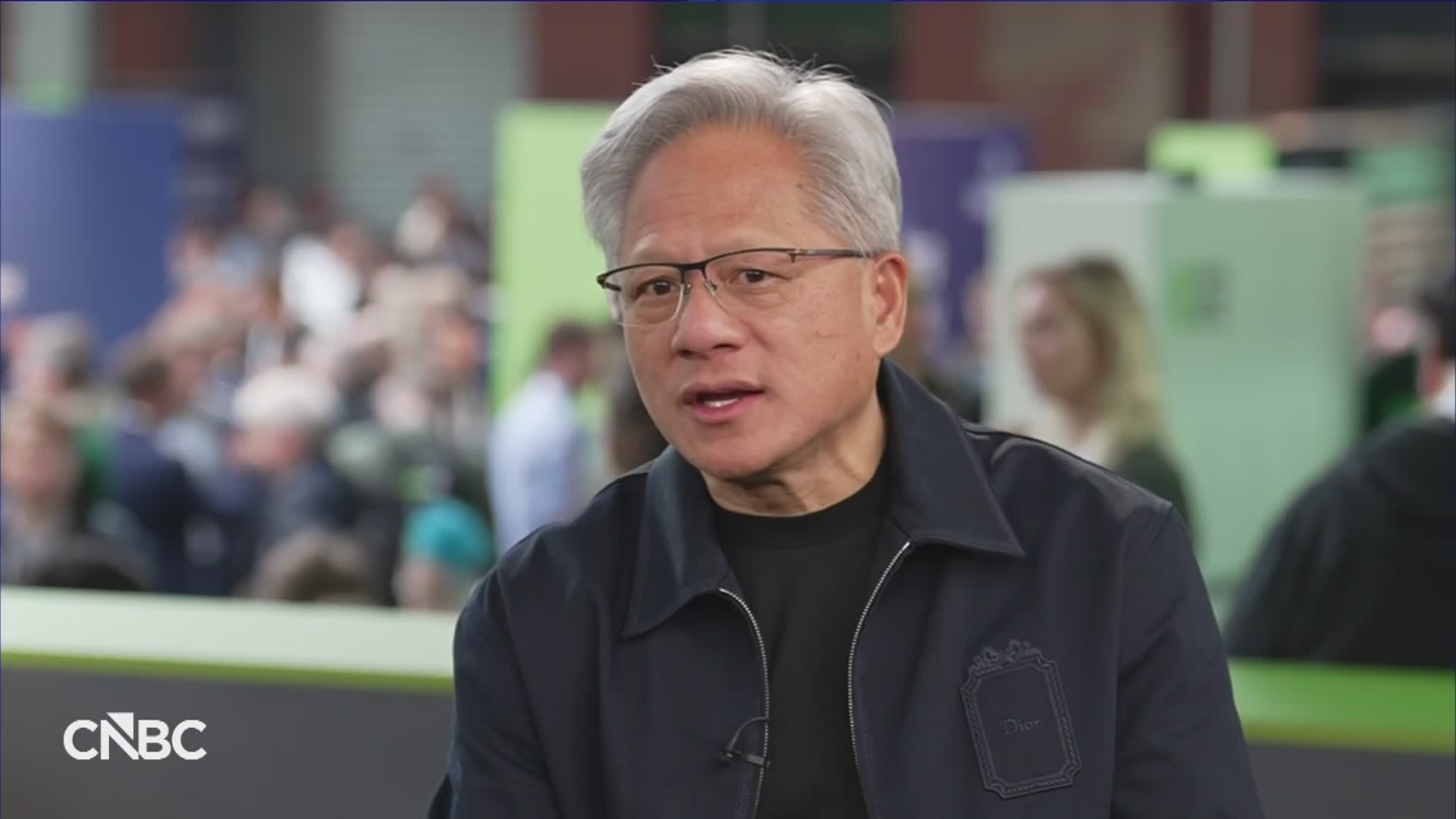
Nebius, which operates AI infrastructure out of Europe and has been expanding aggressively, and IREN, an infrastructure company that pivoted toward AI compute after earlier involvement in Bitcoin mining, both represent the broader pattern: companies that moved quickly into GPU cloud capacity and now carry the financial profile that goes with moving quickly in a capital-intensive market.
What Comes Next for the Sector
The neocloud sector is not monolithic, and not every company Musk gestured at is in the same financial shape. Some have locked in long-term contracts that provide revenue visibility. Some have differentiated on software, networking, or geography in ways that make them harder to displace. The ones that survive a consolidation wave will likely be those that managed their debt maturities carefully and signed customers to multi-year agreements before the pricing environment shifted.
Broader investor sentiment toward AI infrastructure spending has been wobbling since early 2025, when questions about the commercial return on large language model investments started appearing more frequently in earnings calls. The capital markets that funded neocloud expansion at high valuations are now applying more pressure on near-term cash flow and debt coverage ratios. For companies that went public or raised large private rounds in 2024 and 2025 on growth-at-any-cost logic, that shift in creditor and investor patience is arriving at an uncomfortable time.
Musk made his remarks publicly, with a specific number attached – more than 200 companies facing collapse. Whether that figure is precise analysis or rhetorical provocation, it is now part of how the market is thinking about the sector. CoreWeave traded down. Nebius traded down. IREN traded down. The specific companies named, the specific debt structures they carry, and the specific question of whether AI compute demand grows fast enough to cover their borrowing costs – those details will define which names are still operating in 18 months and which ones prove the guppy analogy right.