
A Punchline With a Price Tag
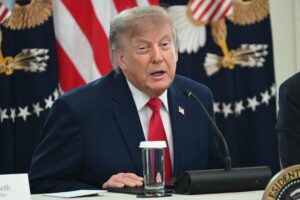
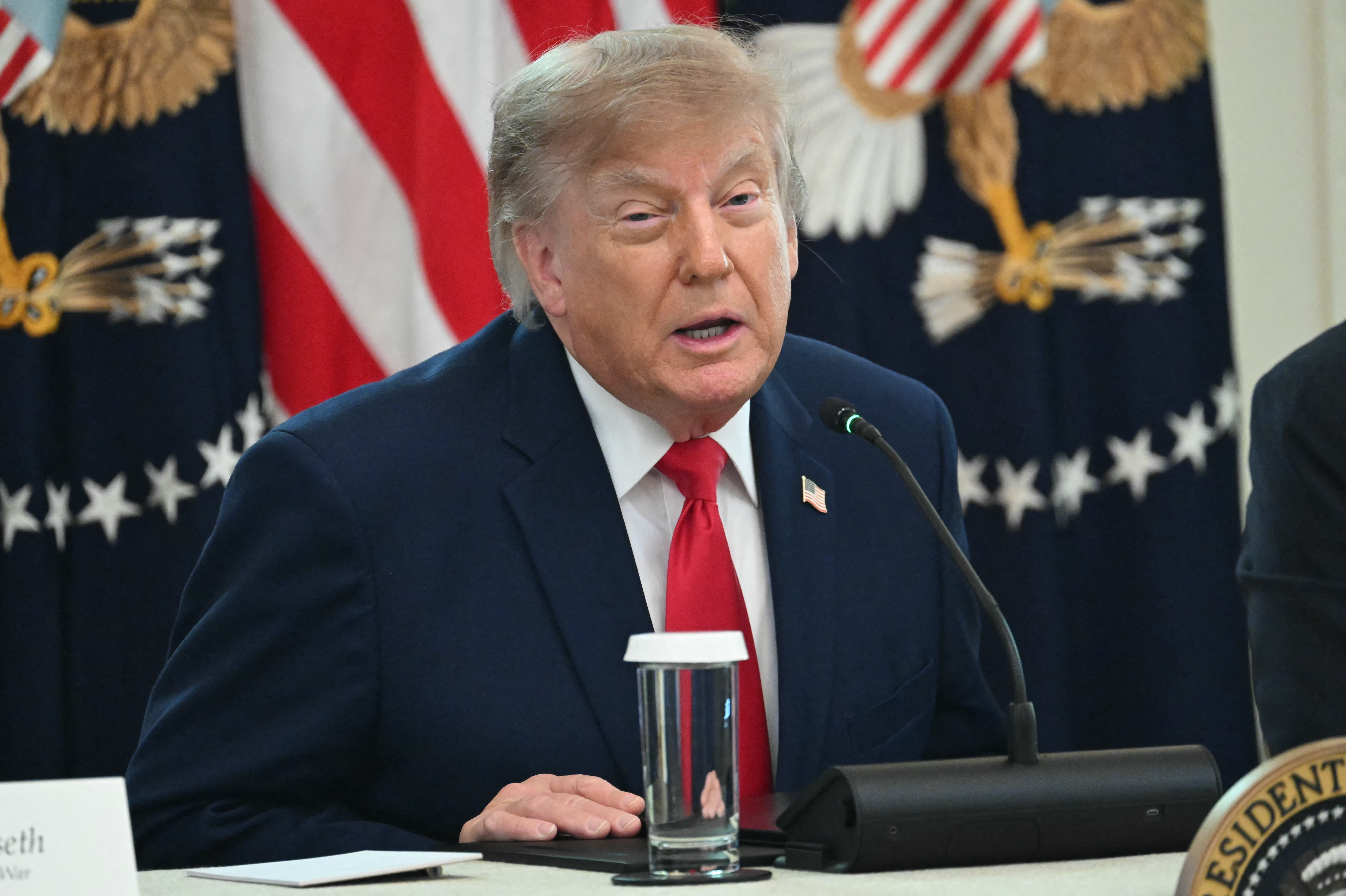
Donald Trump quipped this week that $5,000 cash payments for U.S. adults would barely cover “a hamburger and maybe a small dessert” at his Mar-a-Lago club. The joke drew laughs in the room. Outside it, the cost-of-living pressure bearing down on American households ahead of the 2026 midterms made the same line land somewhere between dark comedy and unintentional confession.
Whether Trump intended it as self-deprecating humor about Mar-a-Lago’s famously steep pricing, or as an offhand acknowledgment of how far a dollar has slipped, the remark arrives at a moment when the purchasing power of ordinary Americans is not an abstraction – it is a voting issue.
What $5,000 Actually Means to Most Americans
The $5,000 figure referenced in Trump’s joke represents a payment proposal for U.S. adults – a meaningful sum for most working households. The median American earner does not dine at Mar-a-Lago. For that median earner, $5,000 covers roughly two to three months of grocery bills, a semester of community college, or a significant portion of an annual car insurance premium in a high-cost state. The gap between what that number means at Mar-a-Lago and what it means in a middle-income household is precisely the political vulnerability the joke exposed.
Trump’s framing – intentional or not – put a luxury resort’s menu in the same sentence as a policy proposal affecting everyday Americans. That juxtaposition is the kind of material opposition research teams clip and save. Midterm cycles have turned on less.

Cost of Living as the Defining Economic Storyline of 2026
Inflation and purchasing power have shaped every major electoral cycle since 2020, and 2026 is following the same script. Consumers have spent years absorbing price increases across food, housing, energy, and services. Even as headline inflation figures moderated from their 2022 peaks, the cumulative price increases never reversed – groceries that cost 30 percent more than they did four years ago do not get cheaper when the monthly inflation rate drops to 2.5 percent. Americans feel the total, not the rate.
That distinction matters enormously in how voters process economic messaging. An administration can point to slowing inflation as a win. A voter scanning a receipt at a supermarket checkout is measuring against what the same cart cost in 2021. Those two data points rarely reconcile in political conversation, and the disconnect has fueled economic anxiety across party lines.
Food costs in particular have become a proxy for the broader cost-of-living debate. Restaurant prices have climbed sharply since 2020, driven by labor costs, supply chain pressures, and commodity price swings. A hamburger at an upscale venue like Mar-a-Lago does not represent the American dining experience, but the underlying food inflation that pushed prices up at every level of the market – from fast food to fine dining – is real and broadly felt. Trump’s joke acknowledged, however glibly, that money does not go as far as it once did.
The midterms in November 2026 will function, as they almost always do, as a referendum on economic conditions as voters experience them personally. Historically, when a majority of households report feeling financially worse off than they did two years prior, the party holding the White House absorbs losses. Whether that pattern holds depends heavily on whether economic sentiment shifts in the next twelve months – and on what moments, including offhand jokes about hamburgers, define the political narrative between now and then.
The Mar-a-Lago Detail Does a Lot of Work
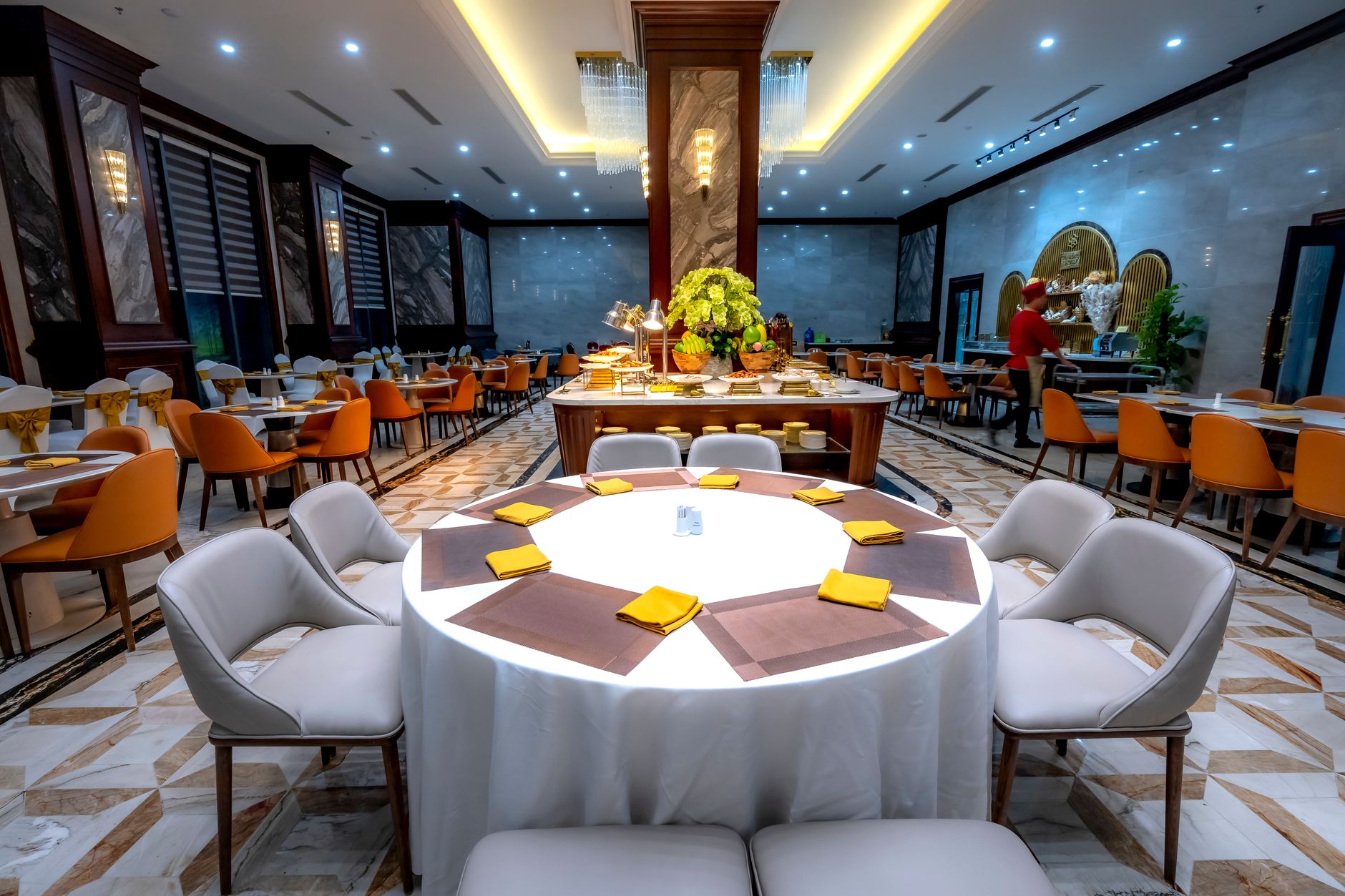
The specific mention of Mar-a-Lago is not incidental. The club’s membership fee alone runs into the tens of thousands of dollars annually, and its menu prices operate in a tier of the economy that most Americans interact with only as a punchline or a grievance. By anchoring the $5,000 figure to a venue that is inaccessible to the overwhelming majority of U.S. adults, Trump inadvertently illustrated the very argument his political opponents have been making about economic inequality and elite disconnect.
Jokes from political figures about money tend to have a short shelf life – they circulate, get clipped, and fade. But the ones that connect to a live economic nerve have a way of sticking. In an environment where household budgets are genuinely strained, a quip about what $5,000 buys at a private club carries a different charge than it might have in a lower-stakes economic moment.
Why the Timing of This Joke Matters Politically
October 2026 puts this remark roughly a month out from midterm elections. Party strategists on both sides will be watching for any moment that crystallizes the economic mood, and a sitting or former president joking that a five-thousand-dollar payment is worth a single meal fits neatly into a narrative about who economic policy is designed to serve. Whether voters register the comment as humor or as signal depends largely on whether they are already primed to be skeptical.
The political math around cost-of-living issues is unforgiving. Voters who feel squeezed tend to blame whoever holds power, and they tend to weight their own grocery bills more heavily than macroeconomic indicators. A joke about hamburgers at Mar-a-Lago will not decide the midterms. But in a cycle where economic anxiety is the dominant undercurrent, the distance between a $5,000 payment and what it costs to eat dinner at a private Florida resort is exactly the kind of contrast that lingers in political advertising.
The question now is whether the remark gets treated as a throwaway line or gets attached to something larger – a pattern of statements, a policy position, a moment when the gap between political rhetoric and kitchen-table reality became impossible to ignore. In midterm politics, that determination is rarely made by the person who told the joke.