


A Border City Hosts a Geopolitically Charged Guest
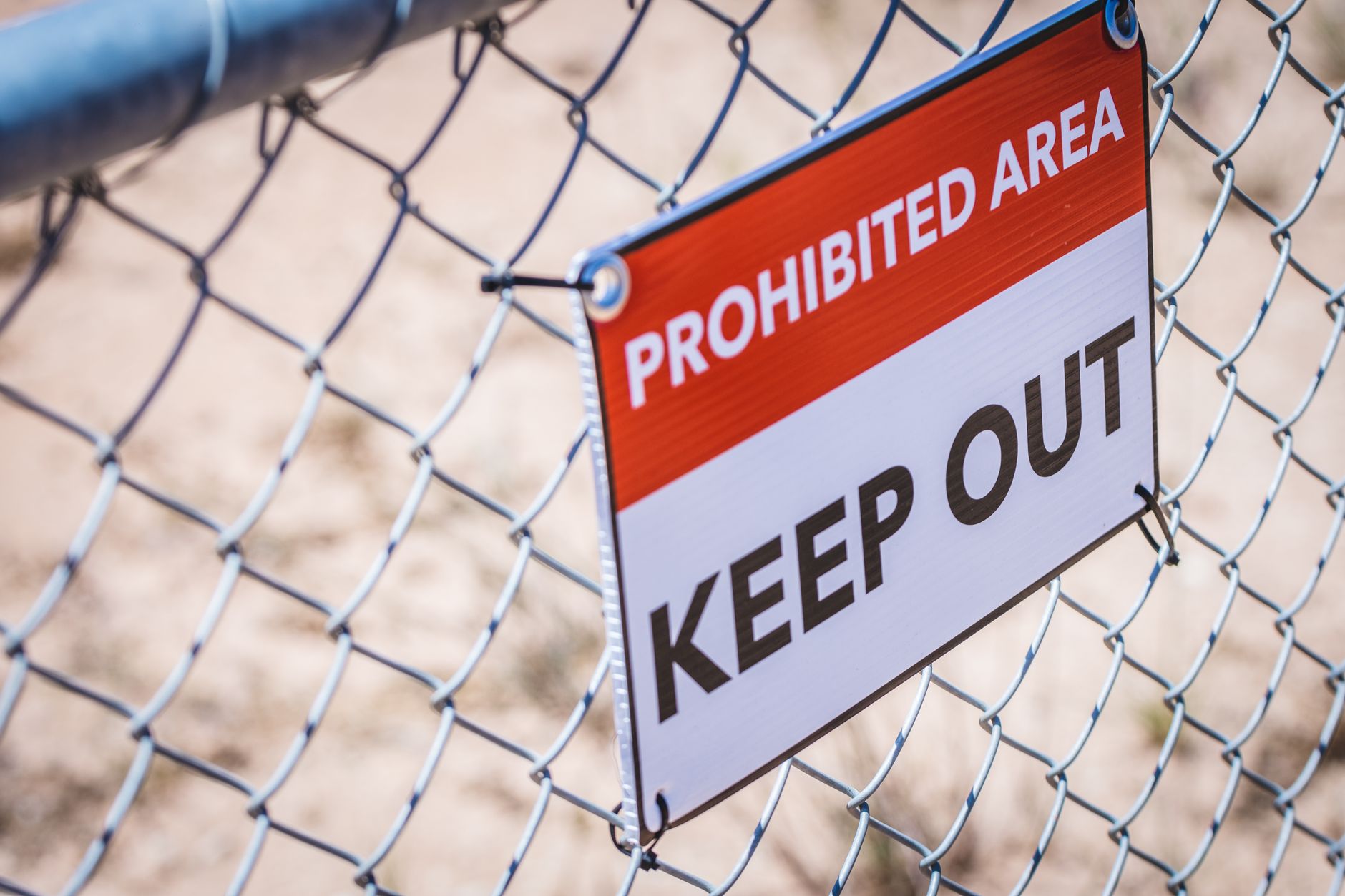
The hotel where Iran’s World Cup squad is staying in Tijuana, Mexico, is not accessible like an ordinary team accommodation. The entrance is barricaded and flanked by both police officers and members of the Mexican National Guard, turning a stretch of the city into something closer to a secured diplomatic compound than a sports venue.
Tijuana’s selection as a base city for Iran carries its own economic and logistical weight. The border city, which shares a crossing with San Diego, is accustomed to heavy security infrastructure – but hosting a national team operating under the level of international scrutiny that Iran draws requires a different caliber of operation entirely.
What Security at This Scale Actually Costs
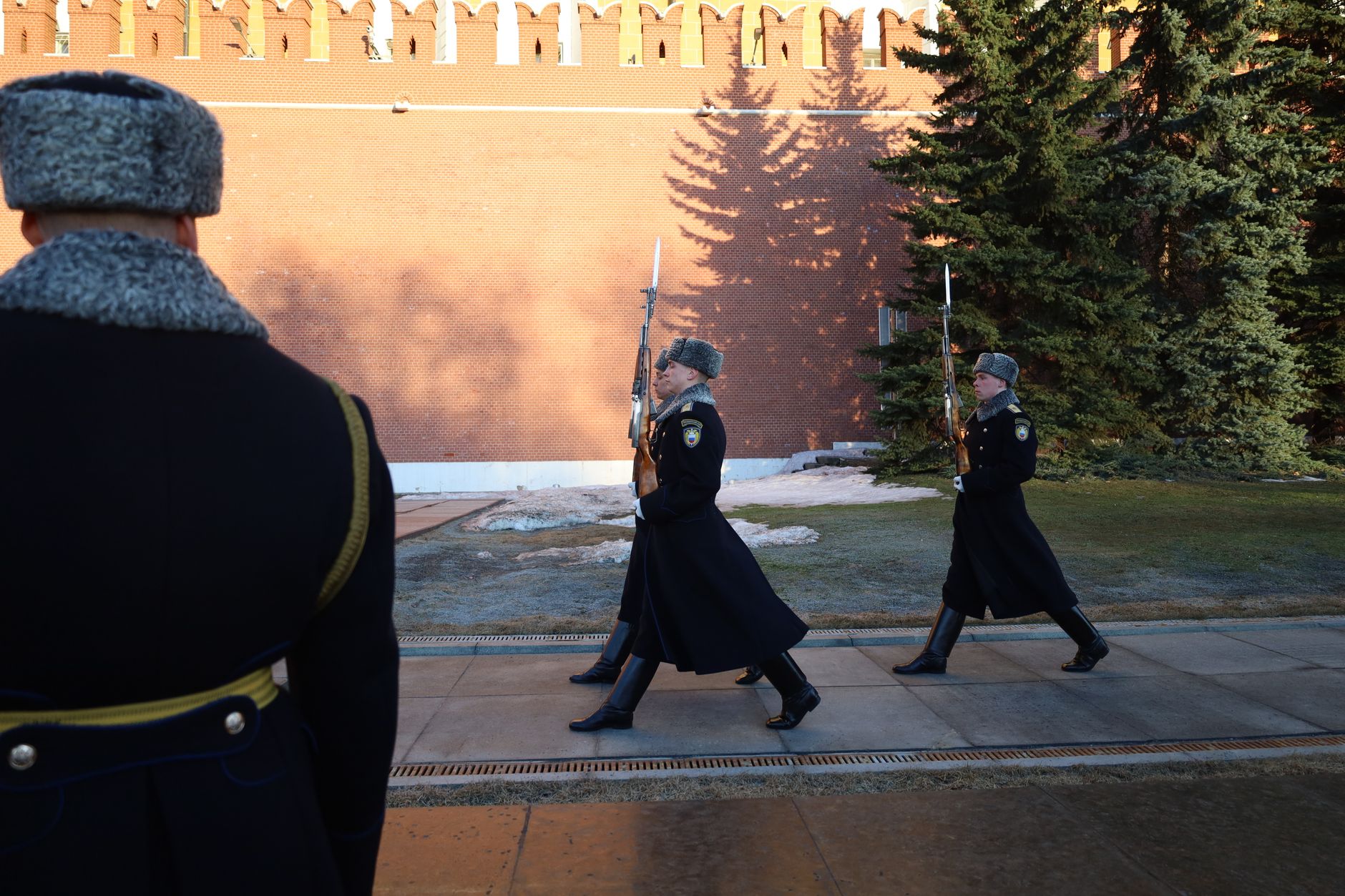
Deploying Mexican National Guard units to a hotel perimeter is not a routine expense. The National Guard, established in 2019 as Mexico’s primary federal law enforcement body, is typically reserved for high-priority security operations. Its presence at Iran’s team hotel signals that the Mexican government has classified this as a federal-level protection assignment, not something handled by local municipal police alone.
That layered security arrangement – local police working alongside National Guard personnel – multiplies operational costs significantly. Officers must be rotated in shifts, coordination between agencies requires command infrastructure, and a barricaded hotel entrance means ongoing management of pedestrian and vehicle access around the property. None of that comes cheaply, and in a city like Tijuana, where public safety resources are already stretched across competing demands, the reallocation is notable.
Tijuana’s Calculation in Accepting the Assignment
For Tijuana, hosting a World Cup team – any team – carries real economic upside. Traveling supporters, media crews, FIFA officials, and associated commercial activity inject spending into local hotels, restaurants, and transportation networks. A city that has spent years working to reposition its international image sees a moment like this as worth the security overhead.
Iran’s team, however, adds a variable that other squads do not. The country remains under broad international sanctions, and its athletes travel and operate in a legal and financial environment that requires careful handling by host nations. Mexico’s willingness to provide National Guard-level security indicates the government made a deliberate decision to absorb that complexity rather than step back from the hosting opportunity.
The economic logic is straightforward: World Cup infrastructure spending, broadcast rights, and tourism dollars flow most heavily to cities willing to take on logistical difficulty. Tijuana, which competed for this role, presumably weighed the security price tag against the broader commercial return and concluded the numbers worked.
There is also a diplomatic dimension that carries indirect economic consequences. Mexico has maintained a pragmatic, non-confrontational relationship with Iran, avoiding the harder lines drawn by the United States and European governments. Hosting Iran’s squad, and protecting them visibly with federal forces, reinforces that posture – and in a region where Iran-related geopolitical tensions are already affecting consumer costs, Mexico’s stance is worth watching.
The Street-Level Reality Outside the Barricades
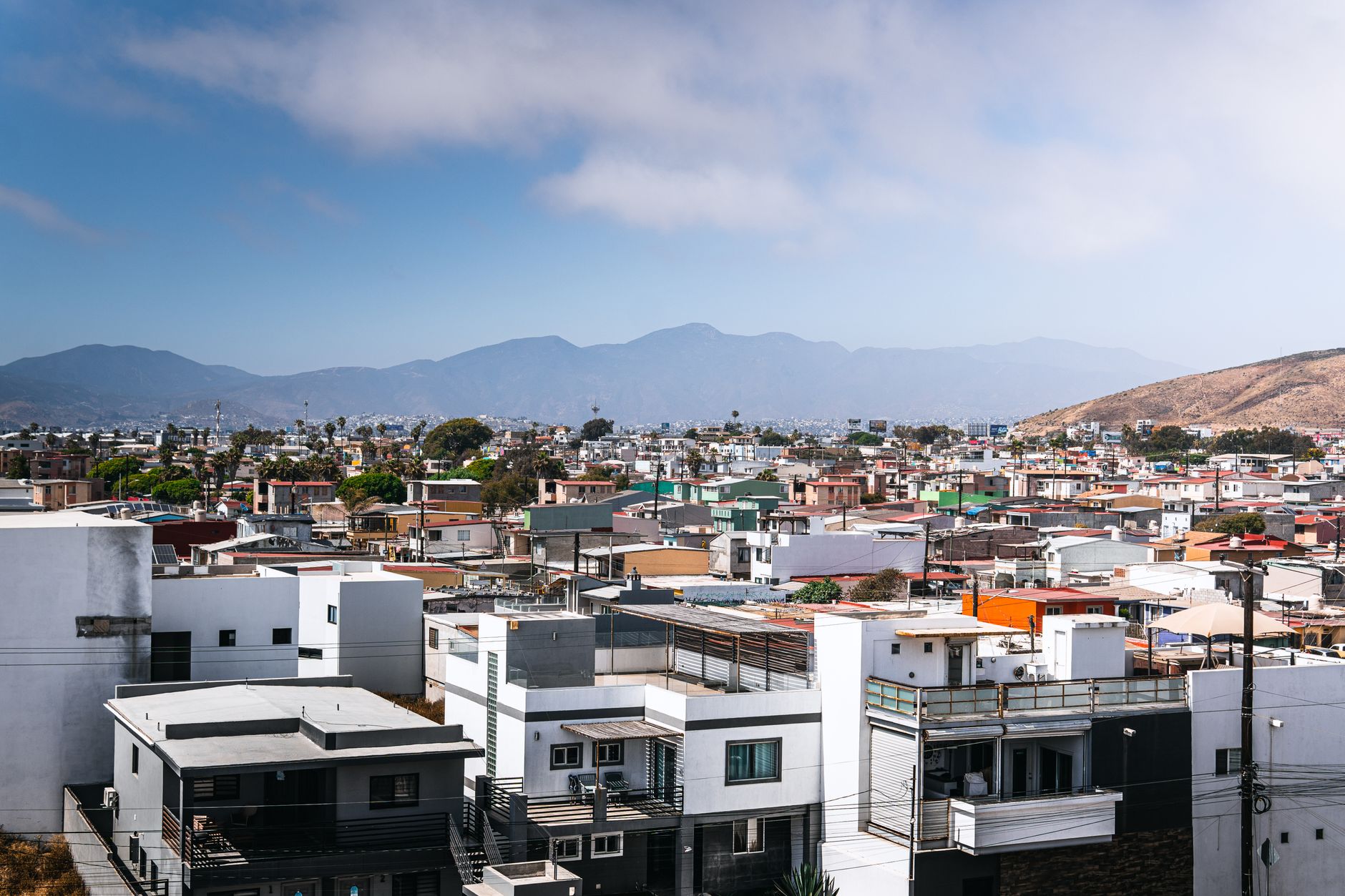
Beyond the policy calculations, the physical scene outside Iran’s hotel tells a more immediate story. Barricades change foot traffic. Businesses on streets where access is restricted can see customer flow drop sharply. Street vendors, small shops, and food stalls that depend on pedestrian volume near busy hotels absorb the cost of security cordons that benefit the guest while inconveniencing the neighborhood.
It is a dynamic that plays out at major international events regularly – the immediate vicinity of a secured venue often sees disruption even as the host city benefits overall. Whether Tijuana’s local business community near the hotel site received any compensation or advance notice of the restrictions is not clear.
What is clear is that a barricade staffed by both police and National Guard personnel represents a sustained government commitment. That kind of security does not get stood up overnight and does not disappear quietly – it holds the street for as long as Iran’s squad remains in residence, however many weeks that turns out to be.