


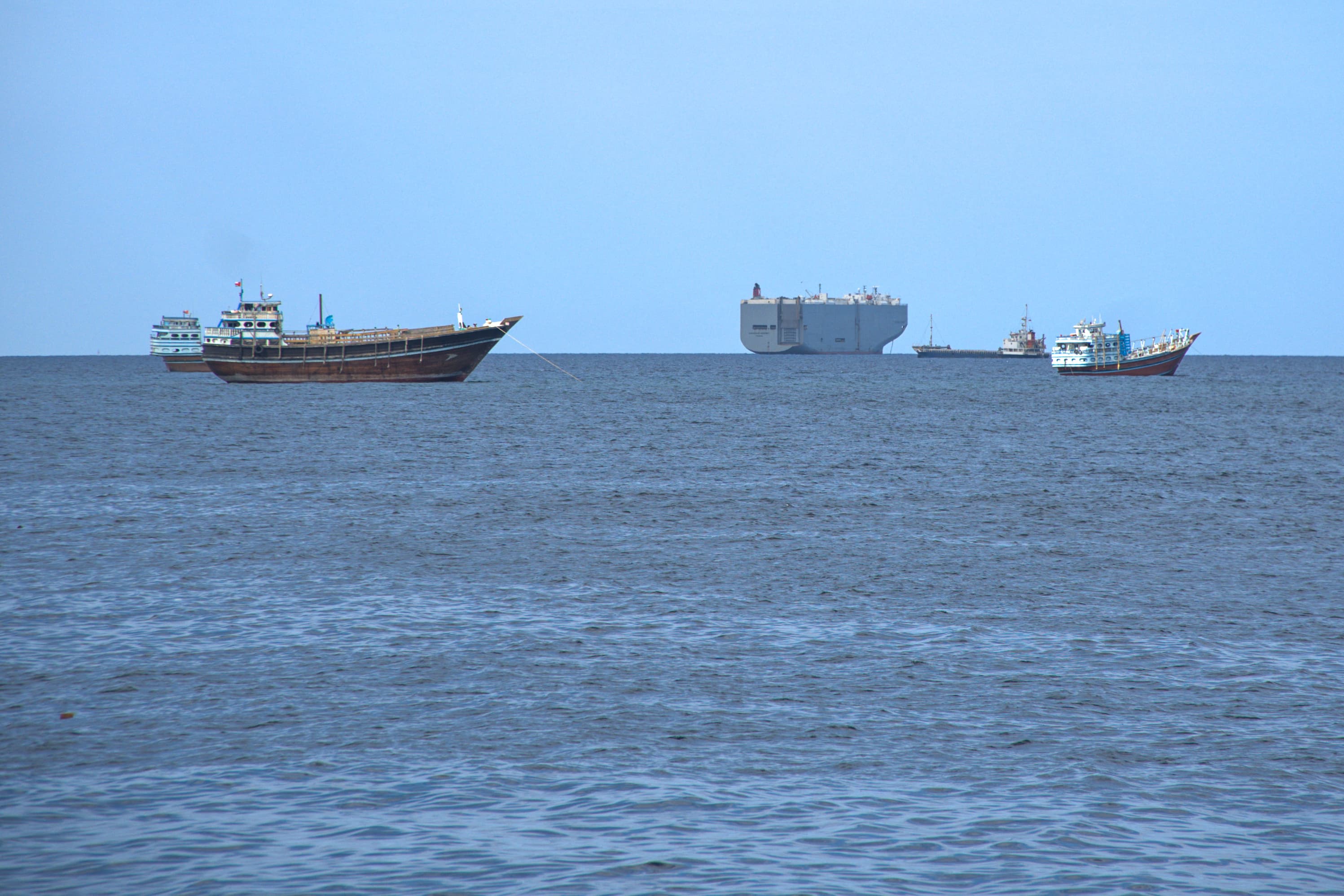
Three oil tankers caught fire in the Strait of Hormuz after striking naval mines, Iran said, and the vessels were reportedly moving under U.S. escort.
The claim landed alongside a separate move from Washington. The Treasury Department widened its sanctions on Iran, the latest step in a campaign meant to choke off the financial channels that keep Tehran’s economy running. One development is physical, with burning hulls in a narrow waterway. The other is bureaucratic, with new names and entities added to a blacklist. Together they point at the same pressure point: who gets to move oil, and who gets paid for it.
Energy traders and shipping desks tend to treat any incident in Hormuz as a possible price event before the facts are settled. This one arrives with few facts attached.
A claim from Tehran, with the details still open
The central assertion is Iran’s: three tankers hit mines and burned. The report does not name the vessels, their owners or their flags, and it gives no account of casualties, cargo or damage. Nothing in it independently confirms where the mines came from or when they were laid. Until those pieces surface, the story rests on one government’s statement about a waterway where it is a principal party.
The escort detail matters most. If the tankers were moving with U.S. protection and still struck mines, the incident exposes a gap between what an escort can do and what a minefield does. Warships can deter and respond to missiles, drones and small boats. Mines are a different kind of threat, because they are passive, cheap and hard to find, and they stay in the water after the shooting stops. A single strike can turn a protected lane into one that underwriters and charterers question.
The geography adds to the risk. Hormuz is the narrow passage between the Persian Gulf and the open sea, and roughly a fifth of the world’s oil consumption moves through it. At its tightest point the shipping lanes squeeze into a channel only a few miles wide in each direction. Traffic there is predictable, which makes it a convenient target and a hard place to hide a mistake.
Why a fire at sea becomes a cost on land
Shipping risk is priced almost instantly, and long before any barrel goes missing. War-risk insurance premiums for Gulf transits are set vessel by vessel and voyage by voyage, and underwriters can raise them or pull coverage on short notice after an incident. A tanker owner who cannot get cover at an acceptable price has a simple choice: wait, reroute where possible, or demand a higher freight rate. Each of those choices adds cost between the wellhead and the refinery.
Charterers feel it next. Higher freight and insurance costs get passed along the supply chain, and refiners that depend on Gulf crude have to decide whether to pay up or look elsewhere. Even a modest rise in the cost of moving oil can ripple into diesel, jet fuel and petrochemical feedstocks. Consumers rarely see the line item, but they see the pump price weeks later.
Mines complicate all of this because the threat does not end with the incident. Clearing them takes time, and every vessel that transits afterward has to be treated as a possible next casualty. That is why one confirmed strike can do more to shipping behavior than a larger but more visible show of force.

Sanctions aimed at the money, not the barrels
The Treasury’s expanded sanctions target Iran’s financial lifelines rather than its ships directly. That distinction is the point of the strategy. Oil that leaves a port still has to be sold, the buyer still has to pay, and the proceeds still have to reach someone through banks, brokers, trading companies or front firms. Sanctions work by making each of those handoffs risky for anyone with exposure to the U.S. financial system.
The approach does not require stopping a single tanker. It makes the transaction around the tanker costly. A bank that fears penalties will decline the payment, and a shipping company that fears being listed will decline the charter. Each refusal forces Tehran to use more intermediaries, accept bigger discounts or take payment in less convenient forms. Over time, the effect is to shrink the share of every barrel that actually ends up as usable revenue.
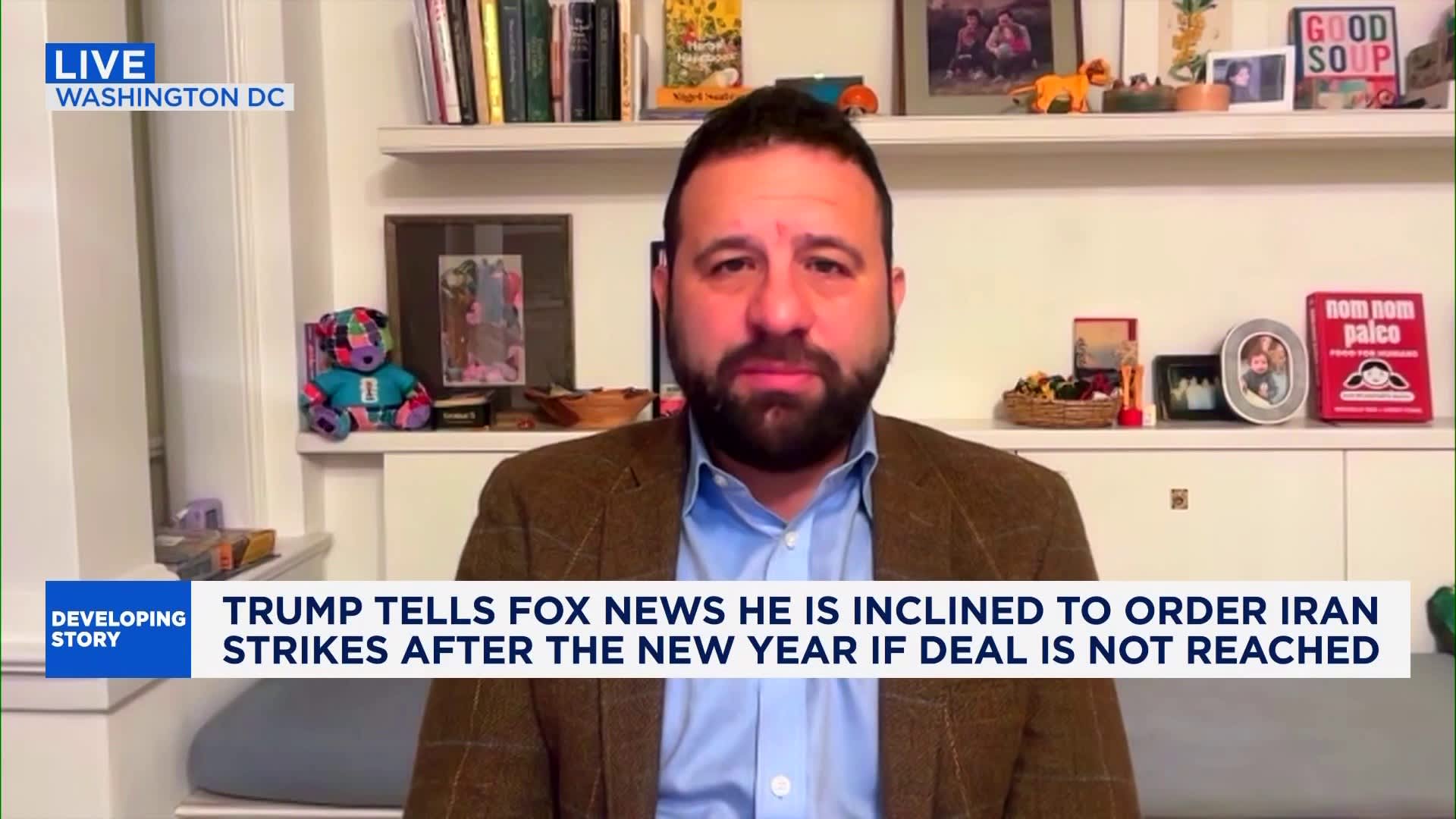
The timing is awkward for everyone involved. Washington is tightening the financial screws on a government that now claims ships under American protection have been burned in a chokepoint. Tehran, for its part, has an interest in showing that the waterway is not safe unless it is allowed to benefit from it. Whether the mine strikes happened as described, the claim itself serves that argument.
Markets will have to weigh two separate questions at once. One is whether the strait stays open and insurable. The other is whether tighter sanctions push Iran toward more disruptive behavior in the places where it has leverage. Hormuz is the most obvious of those places.
For now there is a claim, three fires, and a sanctions list that just got longer, and no public answer yet to the question insurers will ask first: who laid the mines, and how many are still out there?