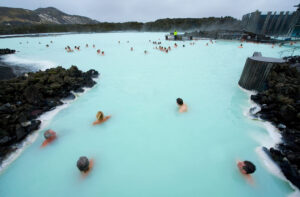


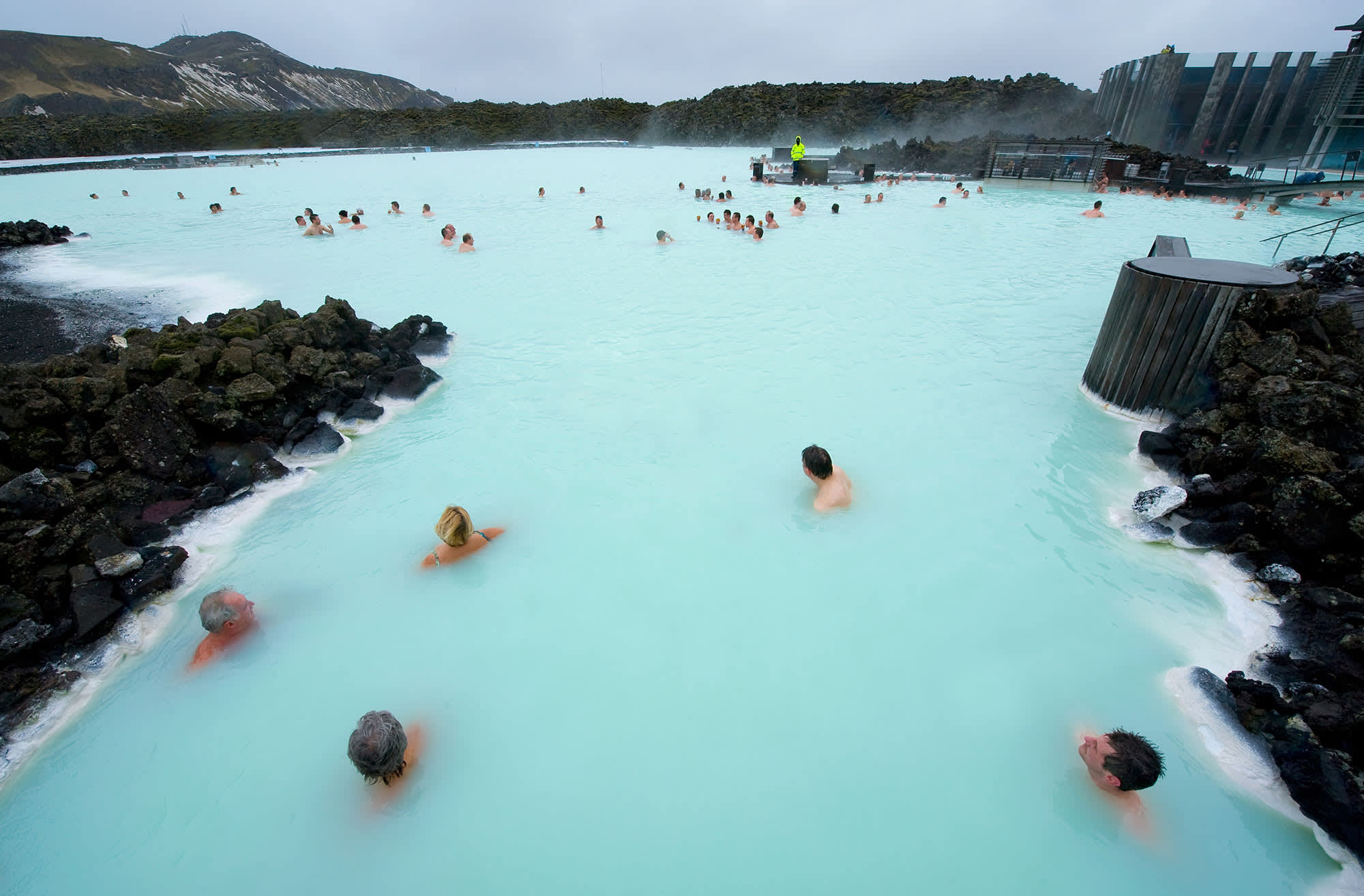
Iceland’s Blue Lagoon, the geothermal spa that ranks among the country’s best-known tourist attractions, is going public. The initial public offering is valued at $110 million, and it is aimed at investors who want a stake in two themes at once: international tourism and the fast-growing wellness industry.
Most of the market’s attention on big listings has gone to the prospect of an Anthropic IPO, a story built on software, data centers and enormous capital needs. The Blue Lagoon offers something almost comically different: milky blue water, volcanic rock and visitors in bathrobes. In Europe, that is where the more tangible IPO excitement has landed.
A Growth Story You Can Walk Into
The pitch for the Blue Lagoon is easy to explain. People travel to Iceland, many of them want to soak in naturally heated mineral water, and the company sells them the experience. There is no model to benchmark and no compute budget to decode. An investor can understand the business by looking at a photo of it.
That clarity matters because the two trends behind the deal are both consumer-driven. Tourism spending tends to rebound when travelers feel confident, and wellness has become a category people spend on even when they cut back elsewhere. A geothermal spa sits where those two currents meet, selling relaxation to travelers who often treat a visit as a fixed stop on an Iceland itinerary.
The contrast with an AI listing is useful. A company like Anthropic asks investors to value future capability that nobody can see yet. The Blue Lagoon asks them to value something that already exists, has a recognizable name and can be photographed from a plane window.
Why the Size of the Deal Stands Out
At $110 million, the offering is modest by the standards of headline-grabbing IPOs. It is not the kind of raise that reshapes an exchange or sets a new benchmark for a sector. It is the kind that depends on a story investors can grasp in a single meeting, and the Blue Lagoon has one.
A smaller raise also changes what buyers are really purchasing. They are not betting on a platform that could expand into dozens of markets. They are betting that a single, famous destination can keep drawing crowds and keep charging for the privilege, and that the business can turn that attention into steady earnings.

The Risks Sit in the Water Too
Every IPO prospectus has a risk section, and a tourism company’s tends to read like a weather report. Travel demand moves with the economy, exchange rates and airfares. A spa that depends on foreign visitors is exposed to all three, and a downturn in any of them can empty a car park faster than it can be explained to shareholders.
Concentration is the second issue. Most listed leisure companies spread their exposure across many properties, so one bad season at one site does not define the year. The Blue Lagoon is built around a single, iconic location, which makes it a sharper bet than a hotel chain or a cruise operator. The geothermal activity that supplies the heat and the minerals is also a feature of a volcanic landscape, and that landscape is not something management can negotiate with.
Then there is the question of what investors are willing to pay for a brand like this. Wellness has attracted capital because it carries a premium image, and the Blue Lagoon’s name gives it pricing power that an anonymous operator would not have. Whether that power holds up over years of rising visitor expectations is something the market will have to judge, using the results the company reports after listing rather than the glow around the offering.
Still, the appeal of the deal is plain. In a year when public-market excitement has centered on companies that few people can describe in a sentence, an IPO built on hot water and tourists has an honest simplicity. Investors will be buying something they can book a flight to see.
What happens, though, when the most photographed asset in Iceland has to answer to quarterly earnings?