


American consumers are still opening their wallets, but the Iran war’s upward pressure on gas prices has quietly reorganized what ends up in the cart – and which stores get the business at all.
Spending Continues, but the Calculus Has Shifted
There is an important distinction between consumers stopping spending and consumers changing how they spend. Since the Iran war drove fuel prices higher, the second scenario is what retail analysts and company executives are actually describing. Total spending has not collapsed. What has changed is the internal logic shoppers use when they decide what to buy and where to buy it.
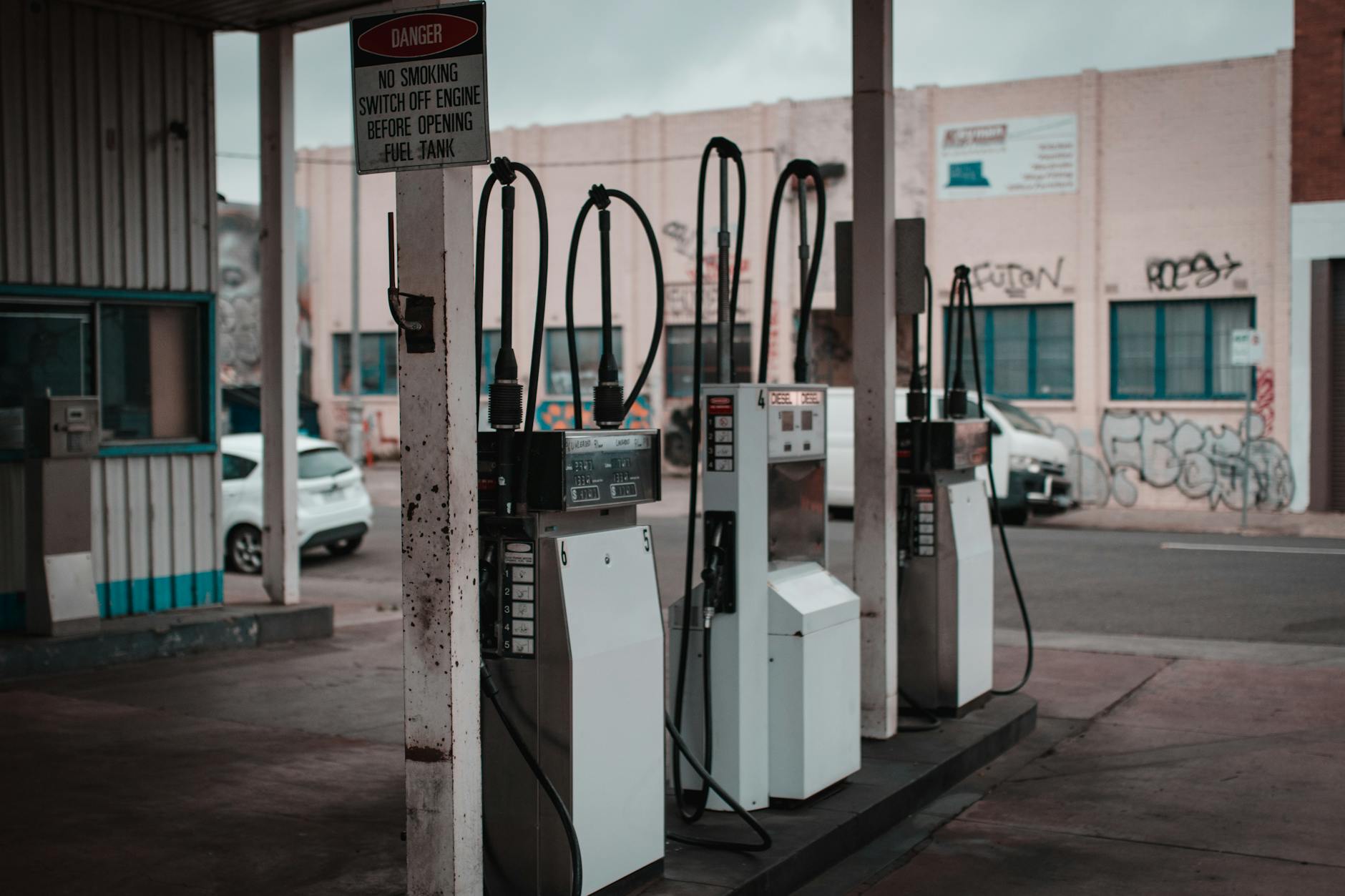
Higher gas prices act as a slow tax on household budgets. The money leaving the tank does not disappear – it comes from somewhere else. Shoppers with fixed incomes or tight margins between earnings and expenses feel that pressure first. They start making substitutions: a store-brand product instead of a name brand, a closer discount retailer instead of a preferred specialty shop, fewer discretionary items alongside the same essentials.
The pattern is familiar to retail executives who have watched prior fuel-price spikes ripple through consumer behavior. What is notable this time is the specific trigger – a geopolitical conflict rather than domestic energy policy or seasonal demand – which means the timeline for relief is far less predictable than it would be in a standard price cycle. Shoppers cannot simply wait for refinery output adjustments or a mild winter to ease the pressure.
Company executives tracking sales data are the first to notice the behavioral shift because the signals appear in purchasing patterns before they show up in any macroeconomic survey. A drop in premium product attachment rates, a shift in basket composition toward private-label goods, an uptick in smaller transaction sizes – these are the early indicators that budgets are being actively managed under strain.
Where Shoppers Are Going Instead
Retail analysts point out that fuel cost sensitivity tends to redirect foot traffic in fairly predictable ways. Stores positioned on price – warehouse clubs, discount grocers, dollar-format retailers – tend to absorb customers migrating away from full-price alternatives. That migration is not a dramatic rupture. It happens gradually, one shopping trip at a time, as consumers test whether the trade-off is worth it and then stick with the new option once they decide it is.
The “where” question matters as much as the “what” question. A shopper who previously drove twenty minutes to a preferred retailer may now choose a closer, cheaper option partly because the gas required for the longer trip has become a more visible line item in the household budget. Fuel costs make distance expensive in a way that is suddenly concrete rather than abstract.
For retailers at the higher end of the price spectrum, the challenge is that these customers are not necessarily gone permanently. They are often shoppers who will return once the financial pressure eases. But in the short term, keeping them engaged requires either matching prices on key items, emphasizing loyalty rewards, or offering something the discount competitor cannot – an experience, a product range, or a convenience that survives the cost-benefit analysis even when money is tighter.
The reassessment also extends beyond grocery and general merchandise. Discretionary categories – clothing, home goods, electronics – face steeper headwinds because they are the first expenses a budget-conscious consumer postpones. Fuel costs do not just redirect spending toward cheaper alternatives in the same category; they shrink the total pool of money available for anything that is not considered essential. That compression is what retail executives describe when they talk about consumers “reassessing what they buy.”
It is worth noting that this shift does not uniformly hurt all retailers. For a conflict with the kind of global market reach the Iran war carries, the downstream effects on American retail create winners alongside the losers. Discount-format stores, private-label manufacturers, and fuel-efficient delivery operators all stand to benefit as consumers optimize aggressively.

What Comes Next for Retail and the American Consumer
The open question for retail analysts and company executives is duration. Consumer behavior adjusts to sustained pressure differently than it adjusts to a short spike. If fuel prices remain elevated long enough, the substitutions shoppers are making now stop feeling like temporary workarounds and start feeling like normal behavior. Brand loyalty erodes. New store preferences calcify. The consumer who switched to a discount grocer during the price spike does not automatically return to the previous retailer when the pressure lifts – especially if the discount option proved adequate.
What executives are watching most closely right now is whether the current reassessment accelerates or plateaus. Spending has not stopped. But the version of American consumer spending that emerges on the other side of sustained Iran war fuel costs may look structurally different from the one that existed before the first price surge hit the pump.