


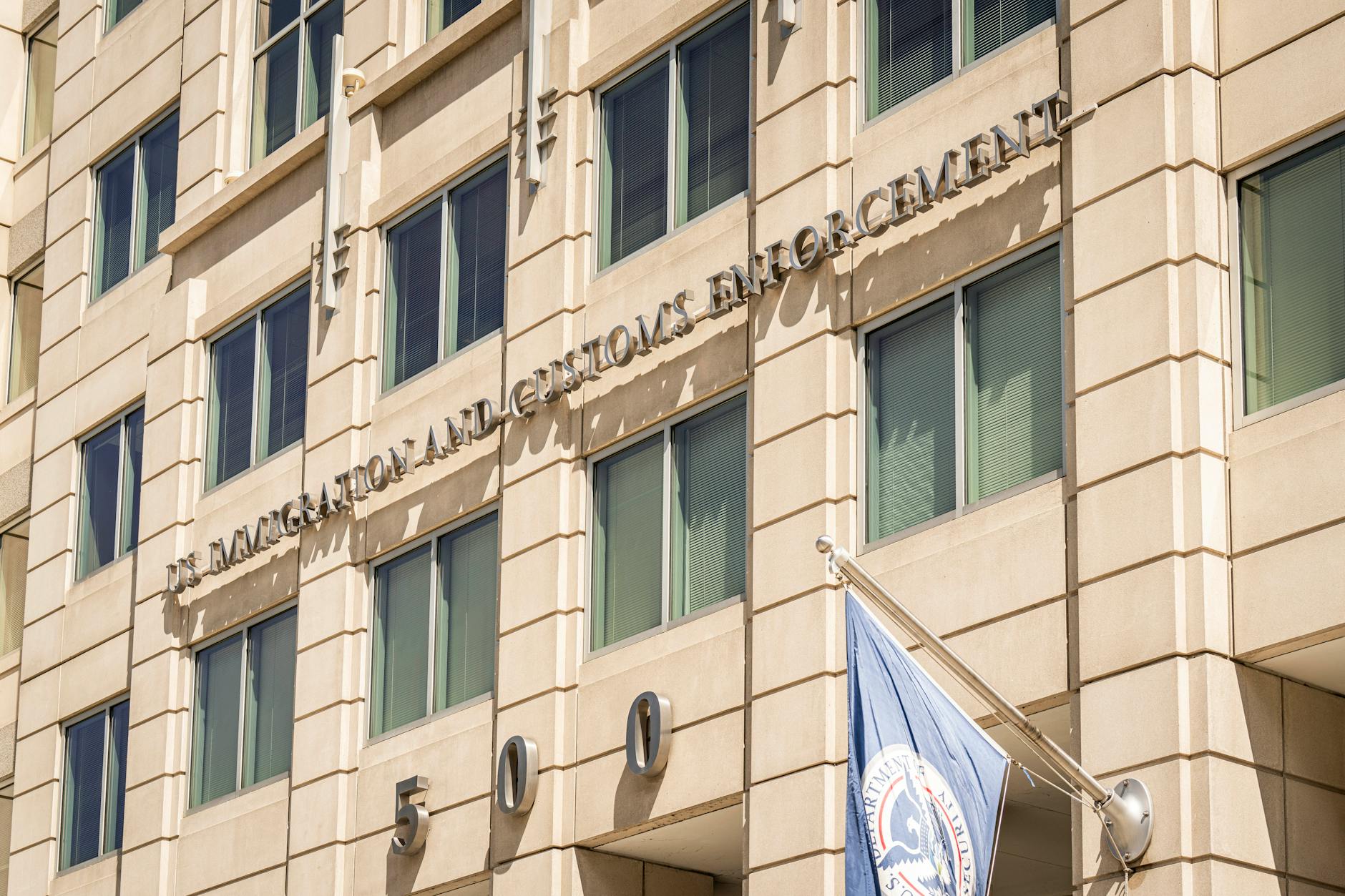
The Department of Justice has concluded its criminal investigation into Federal Reserve Chair Jerome Powell, removing a major obstacle to the Trump administration’s plans for central bank leadership succession.
Investigation Ends Without Charges
Federal prosecutors spent months examining Powell’s conduct during his tenure as Fed chair, though the specific allegations that triggered the probe remain sealed in court documents. The investigation began in late 2025 following complaints from Republican lawmakers who questioned Powell’s monetary policy decisions during the inflation surge of 2021-2023.
Sources within the Justice Department confirmed that no criminal charges will be filed against Powell. The decision effectively clears any legal impediments that might have complicated his departure from the Fed’s top position when his term expires in May 2026.
Powell has maintained his innocence throughout the investigation and continued performing his duties as Fed chair without interruption. His legal team declined to comment on the closure of the probe, citing ongoing confidentiality agreements with federal investigators.
The timing of the Justice Department’s announcement aligns with the White House’s accelerated timeline for naming Powell’s successor. Administration officials have been privately vetting candidates since January, with Kevin Warsh emerging as the leading contender for the position.
Warsh Positioned for Fed Leadership
Kevin Warsh, a former Fed governor who served from 2006 to 2011, has gained significant support within Trump’s economic team for the central bank’s top job. At 54, Warsh brings extensive Wall Street experience from his previous role as a Morgan Stanley investment banker before joining the Fed during the 2008 financial crisis.

Warsh’s nomination would mark a generational shift at the Fed, replacing Powell’s consensus-building approach with a more market-oriented philosophy. During his previous Fed tenure, Warsh consistently advocated for tighter monetary policy and expressed skepticism about the central bank’s expanded role in financial markets. His 2010 dissent on quantitative easing policies has drawn praise from conservative economists who view asset purchases as government overreach.
The potential appointment has already generated discussion among financial institutions about future monetary policy direction. Warsh has publicly criticized the Fed’s communication strategy under Powell, arguing that forward guidance has reduced market efficiency by telegraphing policy moves too far in advance.
Banking industry executives have privately expressed mixed reactions to Warsh’s likely nomination. While many appreciate his Wall Street background, others worry about his historically hawkish stance on interest rates during periods of economic uncertainty.
Senate Banking Committee members from both parties have indicated they expect a smooth confirmation process for Warsh, assuming Trump formally nominates him in the coming weeks. Republican senators have already signaled strong support, while Democratic members appear unlikely to mount significant opposition given Warsh’s previous Senate confirmation in 2006.
Political Implications for Fed Independence
The closure of the Powell investigation removes a potential source of political friction that could have complicated the Fed’s relationship with the Trump administration. Powell’s ability to continue his duties without the cloud of criminal charges allows for a more orderly transition to new leadership.

However, questions remain about whether the investigation’s existence reflected broader political pressure on Fed independence. Several former central bank officials have privately expressed concern that criminal probes of Fed chairs could become a tool for future administrations to influence monetary policy decisions through intimidation rather than formal nomination processes.