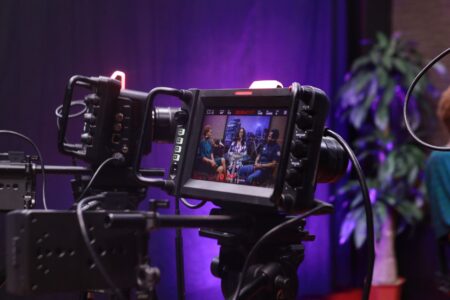



Friday’s release of a stunning new photograph of the Sombrero galaxy demonstrates how advanced space imaging technology continues to drive economic value across multiple sectors. The hat-shaped galaxy, captured with unprecedented clarity showing its glowing halo of stars, represents the latest achievement in a space photography market now worth billions annually.
The image quality far exceeds previous captures of this popular astronomical target, highlighting rapid advances in telescope technology and digital imaging systems that fuel both scientific research and commercial applications.
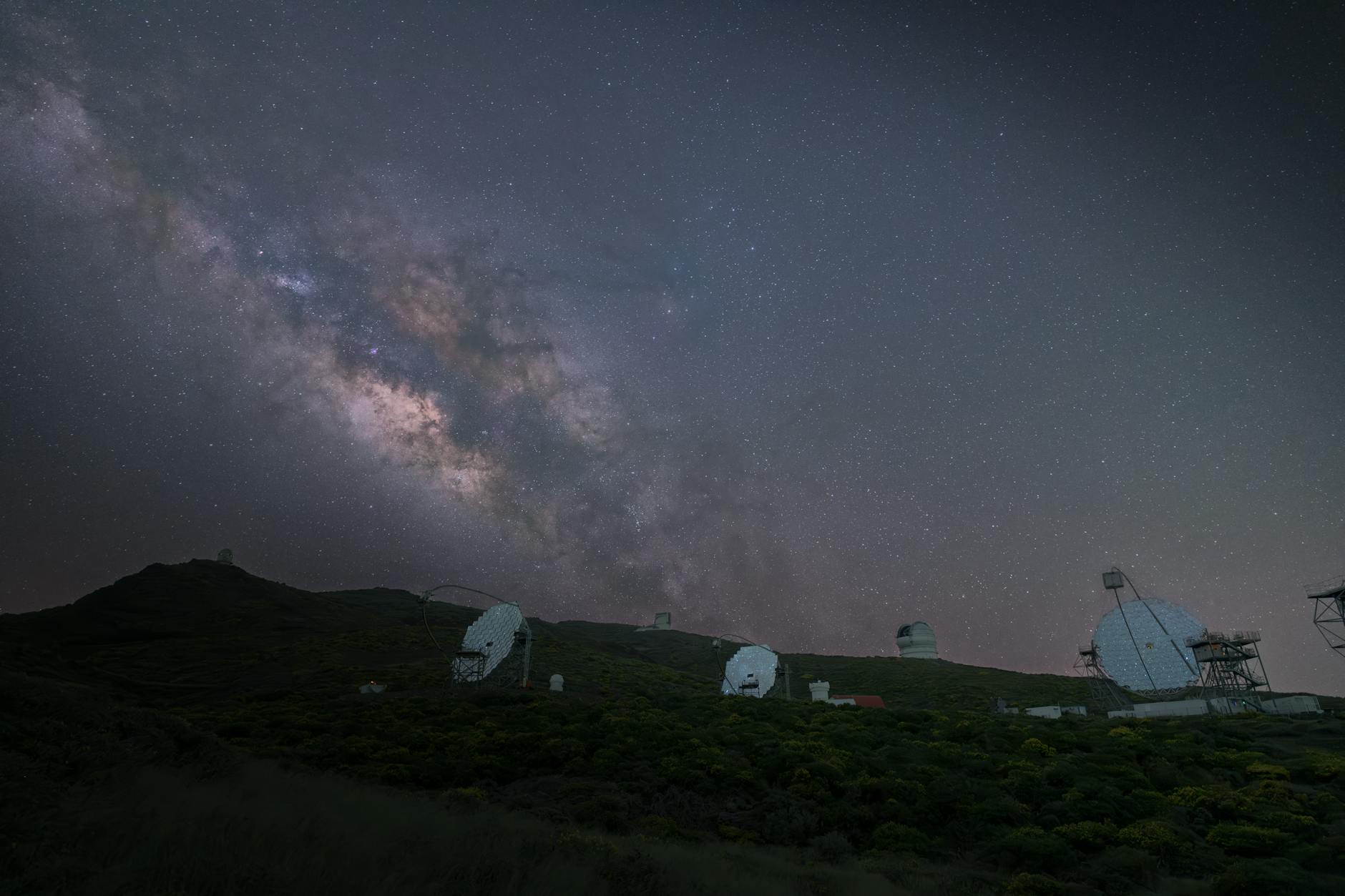
Commercial Space Photography Sector Expands
High-resolution space imagery has evolved from purely scientific endeavors into a thriving commercial market. Companies specializing in astronomical photography equipment, image processing software, and data analysis services see direct revenue increases when major space photographs capture public attention.
The Sombrero galaxy’s improved image quality showcases technological capabilities that translate directly into enhanced satellite imaging, Earth observation systems, and defense applications. These same imaging technologies power agricultural monitoring services, urban planning initiatives, and environmental tracking programs worth hundreds of millions in annual contracts.
Technology Transfer Drives Innovation Economy
Advanced telescope imaging systems developed for astronomical research consistently find applications in medical imaging, manufacturing quality control, and consumer electronics. The sophisticated sensors and processing algorithms that captured the Sombrero galaxy’s stellar details represent technology platforms worth billions in licensing and patent revenue.
Digital imaging companies report that breakthrough astronomical photographs often accelerate consumer interest in high-end cameras and imaging equipment. Professional photographers and amateur astronomers increase equipment purchases following major space photography releases, creating measurable sales spikes across the imaging hardware sector.

Software companies developing image enhancement and processing tools see similar benefits. The computational methods required to process raw telescope data into publishable images drive advances in artificial intelligence and machine learning applications used across industries from automotive to finance.
Educational technology markets also experience growth waves following major astronomical discoveries. Planetarium software, educational apps, and STEM learning platforms report increased downloads and subscriptions when space imagery generates public excitement.
Research Institution Funding Implications
Successful astronomical imaging projects like the Sombrero galaxy photograph strengthen funding arguments for research institutions seeking government grants and private donations. Universities and observatories use high-profile image releases to demonstrate research capabilities and justify budget allocations for expensive telescope equipment and personnel.
The economic impact extends to local communities surrounding major observatories. Tourism increases following significant astronomical discoveries, with visitors traveling to observatories and science museums to learn about the technology behind breakthrough images.
Global Competition in Space Technology
International space agencies compete intensely to produce the most impressive astronomical photographs, driving technological advancement and economic investment across nations. Countries view space imaging capabilities as indicators of scientific and technological leadership, leading to substantial government funding for telescope development and space research programs.
Private space companies increasingly recognize astronomical imaging as both a revenue source and marketing tool. Companies offering space-based imaging services use dramatic photographs to showcase technical capabilities to potential commercial and government clients.
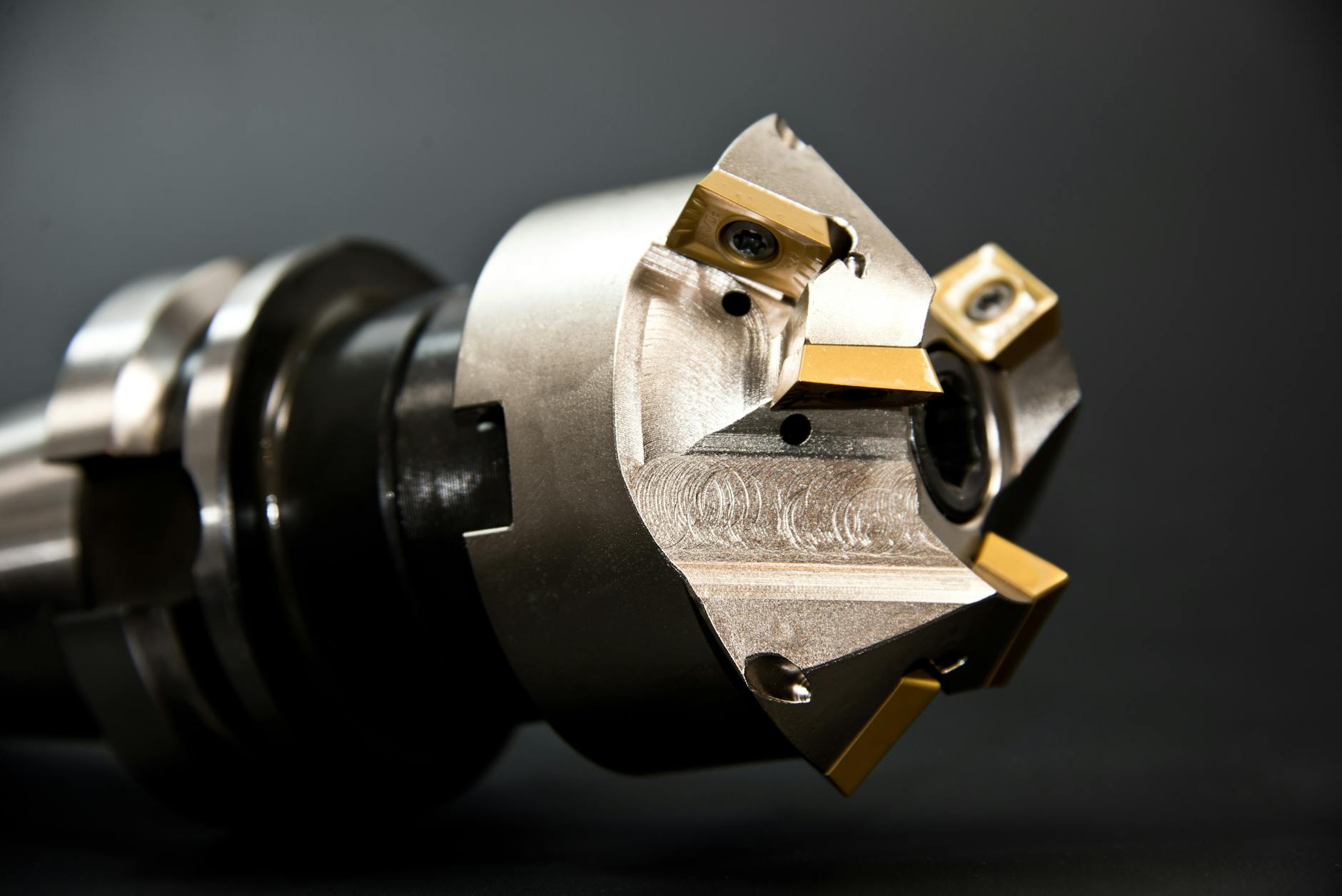
The manufacturing sector supporting space telescopes and imaging equipment spans multiple countries and employs thousands of specialized workers. Precision optics manufacturers, electronics companies, and aerospace contractors all benefit from continued investment in advanced space imaging technology.
Will the next generation of space telescopes currently under development produce images that make today’s Sombrero galaxy photograph look primitive by comparison?