



India’s Passenger Vehicle Sector Eyes a Major Expansion
India’s passenger vehicle market is on track for a significant expansion over the next several years, with Maruti Suzuki India – the country’s largest carmaker – projecting annual sales volume to reach between 6.1 million and 6.3 million units by fiscal year 2030-31. The forecast, delivered by Chairman R.C. Bhargava, points to a market that would be substantially larger than where it stands today, driven by two forces that have long defined the Indian automotive landscape: a rebound in small car demand and continued momentum in sport utility vehicles.
That kind of growth would mark a meaningful chapter in the evolution of Indian consumer behavior – one where affordability and aspiration are both pulling the market upward at the same time.
For Maruti Suzuki, which holds the dominant position in Indian passenger vehicle sales, the projection is as much a strategic signal as it is a market forecast. The company’s long-term planning is clearly being shaped around a belief that domestic demand has further room to run – and that the two segments it knows best, small cars and SUVs, will be doing most of the heavy lifting.
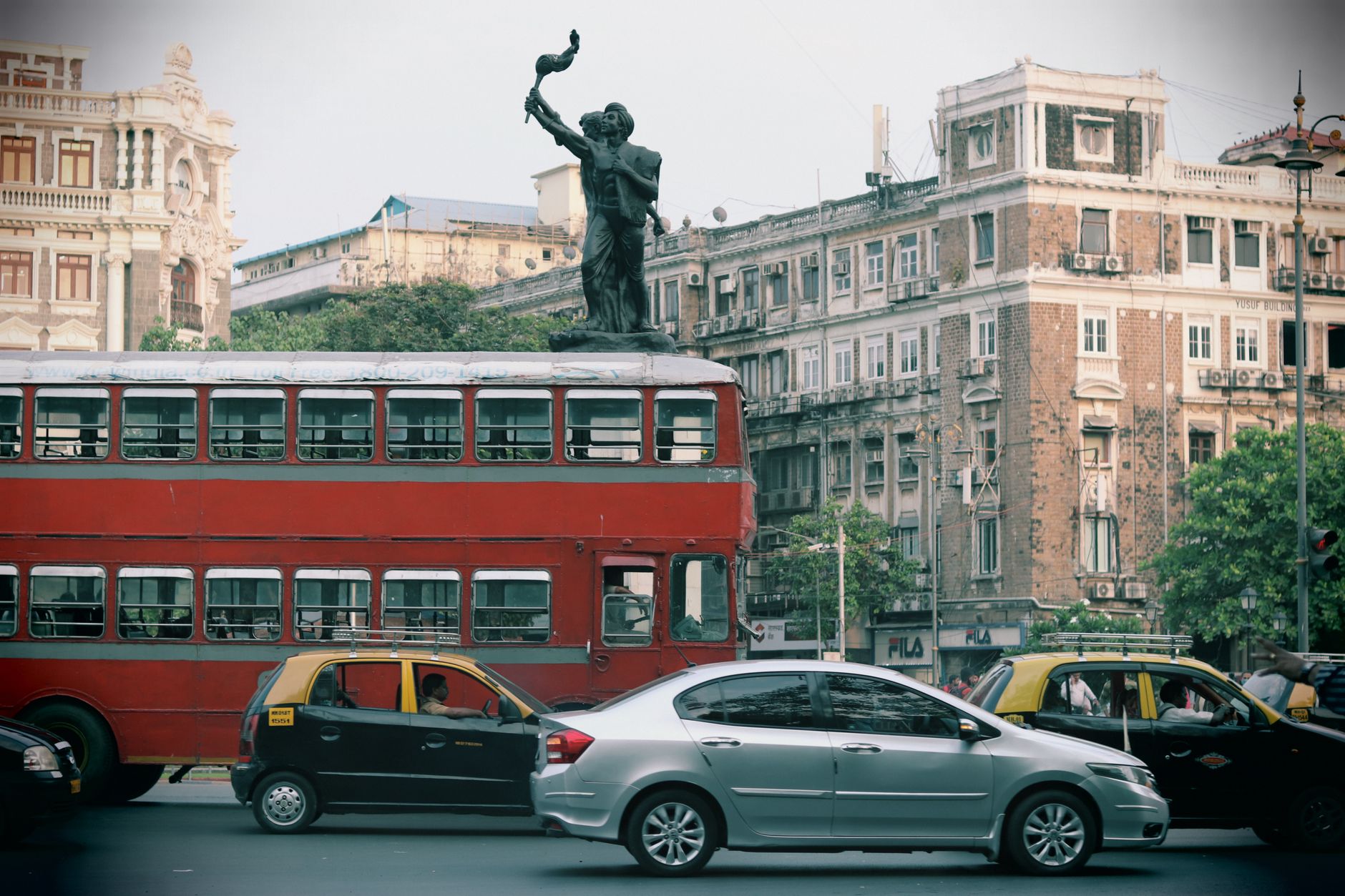
Small Cars Are Back in the Equation
The small car segment had faced a difficult few years in India, with buyers shifting preferences toward larger vehicles, tighter urban budgets squeezing entry-level purchases, and rising input costs pushing base prices higher. Bhargava’s forecast that a revival in small car demand will help fuel the market’s rise to 6.1 million to 6.3 million units suggests the company sees those headwinds easing – or at least sees new buyers entering from the bottom of the market to absorb the slack.
Maruti Suzuki built its dominance in India on small, affordable cars like the Alto and the WagonR, vehicles that served first-time buyers across a vast swath of the country’s middle class. That foundation made the company especially sensitive to the health of the entry-level segment. When small car demand softened, Maruti felt it more acutely than most. A recovery in that category, if it materializes as Bhargava expects, would strengthen Maruti’s volume base heading into the next decade.
The broader implication is that India’s passenger vehicle market is not simply riding a luxury wave. Growth reaching above 6 million units annually would require deep participation from buyers who are buying their first car, or upgrading from two-wheelers – the kind of structural demand that sustains markets over the long run rather than cycling with premium consumer sentiment.
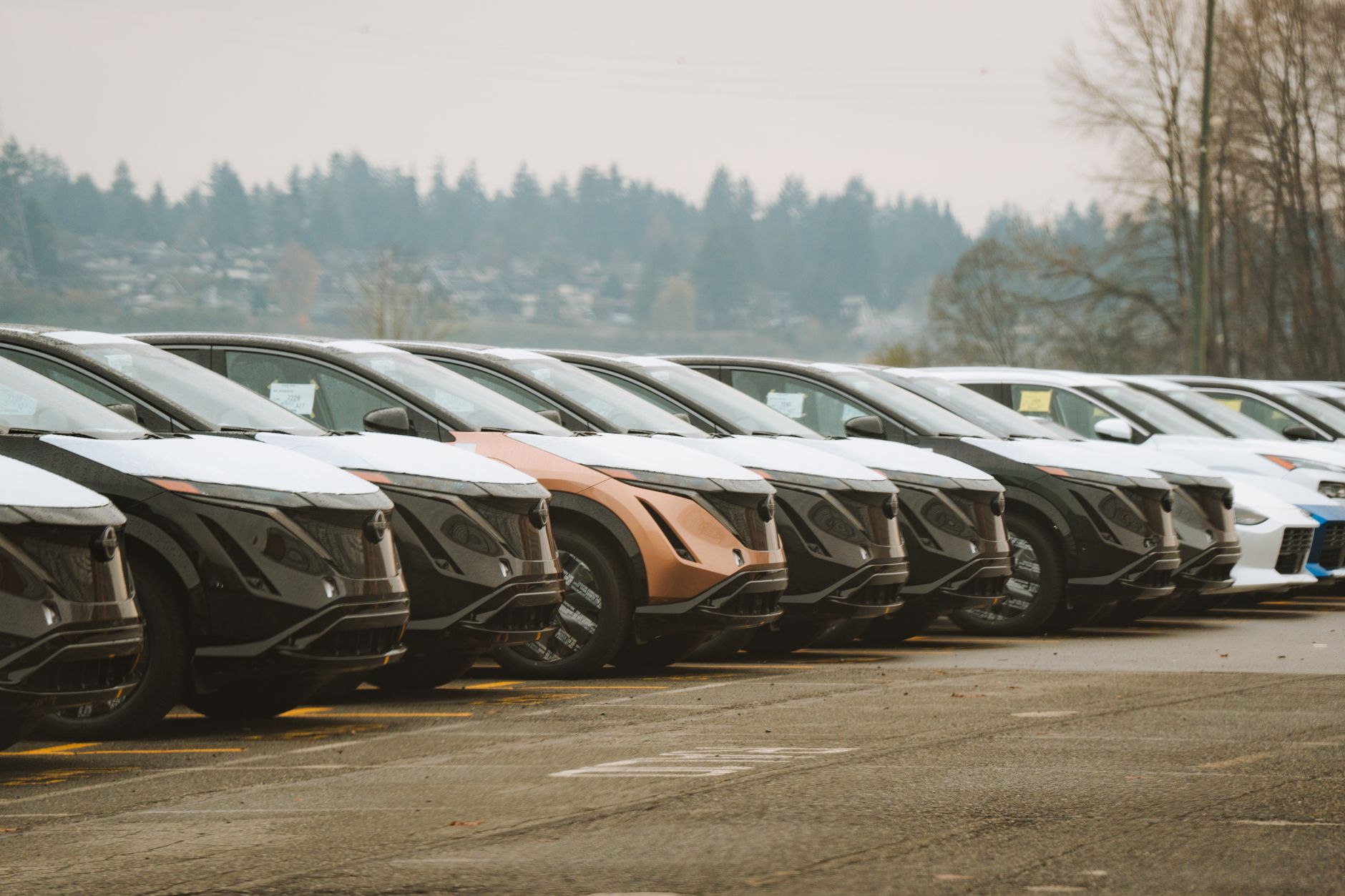
SUVs Remain the Market’s Loudest Growth Story
Alongside small cars, Bhargava pointed to a stronger sport utility vehicle segment as a co-driver of the projected market expansion. That framing matters because SUVs have already been the most visible force reshaping India’s automotive mix over the past five years, with buyers across income levels gravitating toward higher-riding, more spacious vehicles. The segment has attracted heavy investment from both domestic manufacturers and global automakers looking to capture India’s growing middle class.
Maruti Suzuki was relatively late to the SUV wave – a fact the company acknowledged in prior years – but has since moved aggressively into the category with models like the Brezza, the Grand Vitara, and the Jimny. The company now has a direct stake in the SUV segment’s continued strength, and Bhargava’s optimism about that category aligns with where Maruti has been placing its product bets.
The combination of small car revival and SUV expansion, if both trends play out simultaneously, would create a market that is growing at both ends of the price spectrum. That scenario would benefit Maruti Suzuki more than almost any other automaker in India, given its footprint across both segments. Whether the two trends can sustain themselves without cannibalizing each other – since buyers who move up from small cars often choose compact SUVs as the next step – is an open structural question the industry will be navigating through the end of the decade.

What a 6-Million-Unit Market Actually Means
A passenger vehicle market of 6.1 million to 6.3 million units by fiscal 2030-31 would represent a substantial increase over current volumes and would place India among the very largest automotive markets globally. The forecast from Maruti Suzuki’s chairman carries weight precisely because the company sits at the center of this market – its sales data, dealership network, and financing trends give it a ground-level view of demand dynamics that few institutions can match. When Bhargava attaches a number to where the market is heading, it draws attention across the supply chain, from component manufacturers to financing companies to global automakers deciding where to allocate future capital.
India’s passenger vehicle market has already been attracting increasing attention as China’s growth trajectory has matured and Western markets have slowed. Automakers looking for volume growth have increasingly pointed to India as the next major frontier, and projections like the one Bhargava outlined give that narrative a concrete anchor.
The question is whether the infrastructure, financing ecosystem, and policy environment can keep pace with the kind of demand Maruti is projecting. Road capacity, fuel infrastructure, and the still-early-stage rollout of electric vehicle charging networks are all variables that could shape how that 6-million-unit figure actually gets distributed across vehicle types and price points by 2031. Maruti Suzuki is betting on a large, broad-based market – and for now, the company’s Chairman is putting a number on that bet.
Bhargava did not specify what share of that projected 6.1 million to 6.3 million units Maruti Suzuki expects to hold.