


A Factory Unlike Anything Built Before
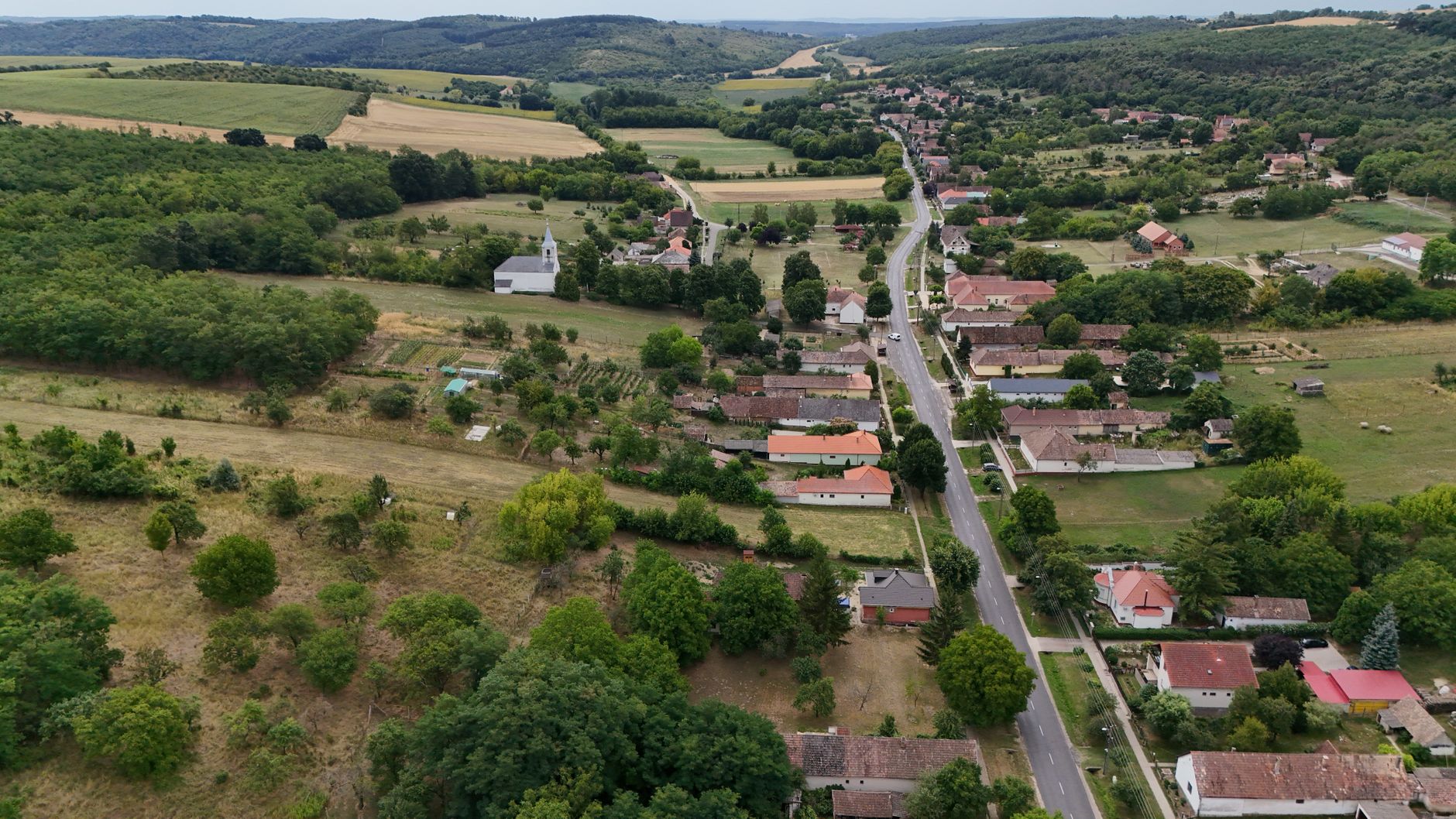
Elon Musk is planning to build a semiconductor factory in rural Texas equivalent in footprint to 1,000 Costco stores, and the people who already live nearby are not pleased about it.
The Scale of What’s Being Proposed
To put the size of the proposed facility in plain terms: a single Costco warehouse runs roughly 160,000 square feet. Multiply that by 1,000 and you get a structure so large it would qualify as the world’s largest building by floor area. That’s the stated ambition for this project, which Musk – now a trillionaire – is pushing forward in a Texas county that, until recently, had little reason to expect this kind of industrial attention.
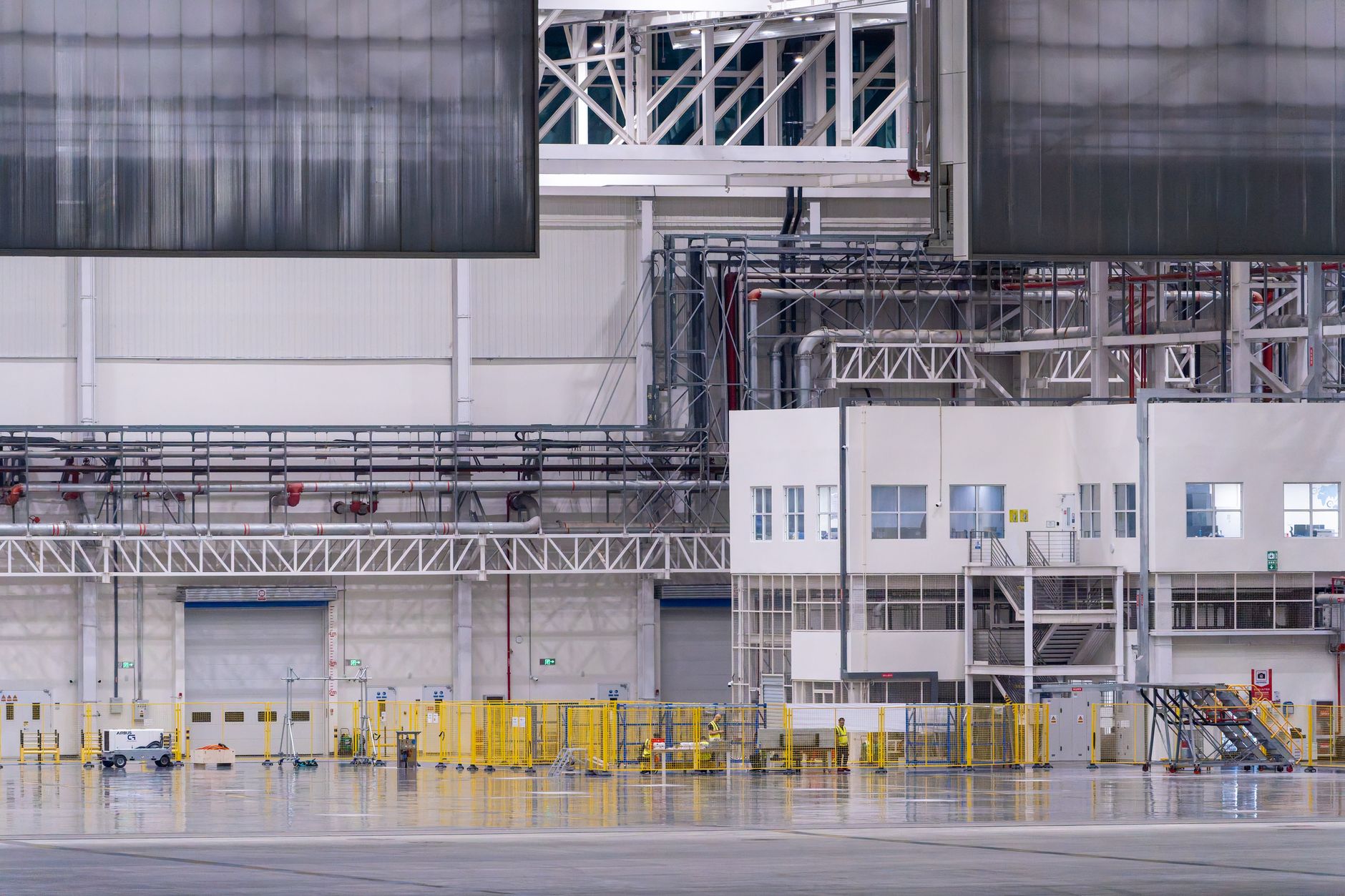
Semiconductor manufacturing at this scale is not a quiet operation. Chip fabrication requires enormous volumes of ultrapure water, stable power supply at industrial quantities, chemical handling, and significant road and freight traffic. A facility of this footprint would strain regional infrastructure even in an area built to accommodate it. Rural Texas counties generally are not.
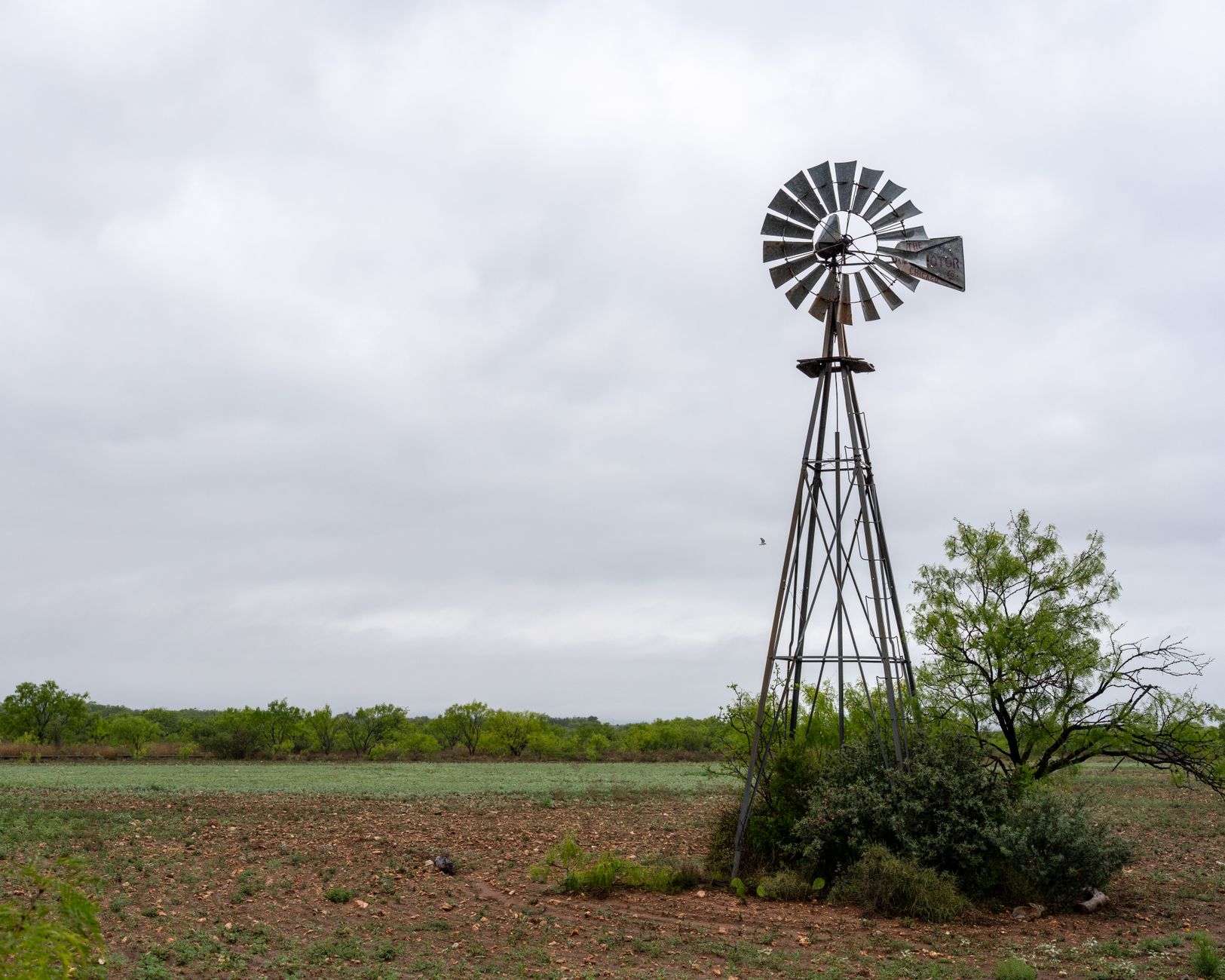
The choice of location matters beyond logistics. Rural counties in Texas often have limited regulatory bandwidth, smaller county governments, and fewer resources to assess the environmental and infrastructure demands that a project of this magnitude would generate. That imbalance between a trillionaire’s industrial ambitions and a small county’s planning capacity is part of what’s driving local anxiety.
Musk has become a significant presence in Texas more broadly, with SpaceX operations based in Boca Chica and Tesla having moved its headquarters to Austin. The semiconductor factory would extend that footprint dramatically, shifting from tech campuses in relatively accessible areas to what appears to be a massive industrial installation in a far more remote setting.
What Local Residents Are Actually Worried About
The concerns from neighbors aren’t abstract. When a facility the size of 1,000 Costco stores goes up in a rural area, the immediate practical questions are about water, roads, noise, and what happens to property values and community character in the years during and after construction. These aren’t niche environmental objections – they’re the kinds of disruptions that affect daily life in ways that economic projections don’t capture.
Semiconductor factories are among the most resource-intensive industrial buildings in existence. Water consumption for chip fabrication is substantial, and in Texas, where water rights and drought conditions are recurring political and practical flashpoints, a single facility drawing at industrial scale can affect neighboring farms, ranches, and municipal supplies. Local residents have legitimate reason to ask how those demands would be managed and who bears the cost when supply runs short.
Construction on a project of this size also means years of heavy equipment, contractor traffic, and land disturbance before a single chip is produced. Rural roads not designed for freight loads get damaged. Dust and noise extend well beyond fencelines. Communities that absorb those years of disruption don’t always see the promised economic benefits materialize at the local level – jobs in specialized semiconductor manufacturing often require skills and credentials that existing rural residents don’t hold, meaning the workforce can arrive from outside the region entirely.
There’s also the broader question of what Musk’s expanding Texas presence means for communities that have little leverage in negotiations with one of the world’s wealthiest individuals. Local governments may face pressure to approve permits quickly, to waive fees, or to fast-track environmental reviews in exchange for the promise of investment and jobs. That dynamic has played out in other states and counties where large tech and industrial projects have landed, and the outcomes for host communities are genuinely mixed. AI-driven capital concentration is already reshaping where and how industrial investment flows, and communities at the receiving end rarely hold the stronger hand.
What makes this situation distinct from a typical factory-siting dispute is the sheer declared ambition of the project. This isn’t a regional distribution center or a mid-sized manufacturing plant. If the world’s largest building lands in a rural Texas county, that county will be permanently altered – its tax base, its land use patterns, its population density, its identity. Whether that alteration is net positive or net negative depends heavily on details that haven’t been publicly settled.
Where Things Stand
Musk’s plan remains in the proposal and opposition phase, with local residents vocal about their concerns. No construction timeline has been established in available reporting, and the project faces the kind of community resistance that can slow or reshape large industrial developments even when the proposing party has significant financial and political resources.
What gets resolved first – the permitting questions, the water rights, the infrastructure commitments, or the opposition from people who chose to live in a rural Texas county precisely because it wasn’t the site of the world’s largest building – will say a lot about how much weight local voices actually carry when a trillionaire decides a piece of quiet land is the right place for an industrial record.