


A Beaten-Down Sector With a Specific Catalyst
Restaurant stocks have taken a beating from inflation, but analysts are pointing to a narrow window where contrarian investors could capture double-digit percentage gains – and the trigger is simpler than most expect: falling gas prices.

Why Gas Prices Hold the Key
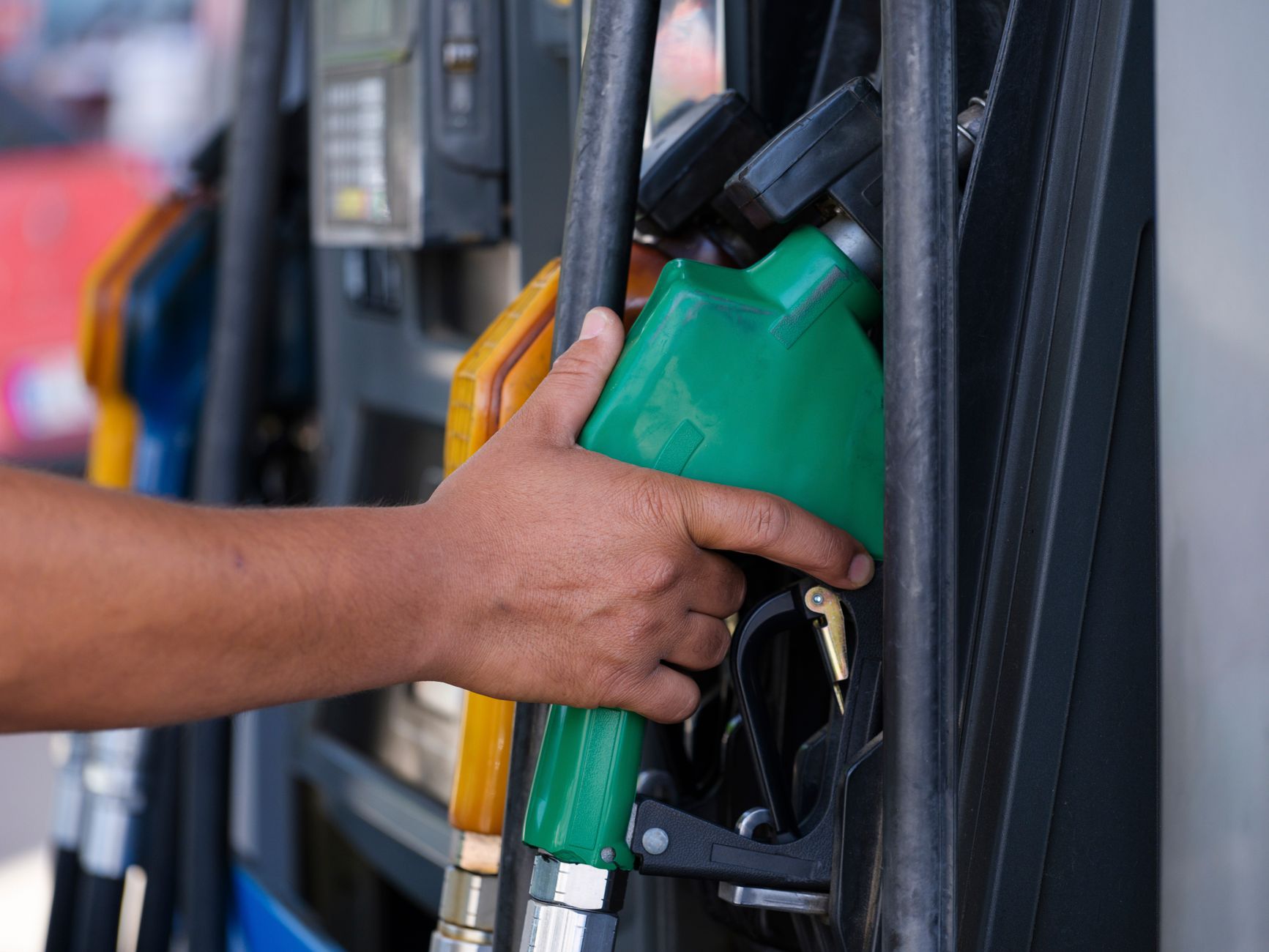
The logic connecting fuel costs to restaurant earnings is more direct than it first appears. When consumers spend more at the pump, discretionary spending shrinks – and restaurant visits, especially at casual dining chains, are among the first line items cut from household budgets. That dynamic has suppressed valuations across the sector even at companies whose operational fundamentals have largely held up. The result is a cluster of stocks trading at prices that analysts argue don’t reflect their actual earnings potential once that fuel cost pressure eases.
Inflation broadly has pressured the restaurant industry from both sides. Food input costs rose sharply, compressing margins at the kitchen level, while the same inflation eroded the spending power of the customers those restaurants depend on. Some chains passed costs along through menu price increases; others absorbed the hit to protect traffic volume. Neither approach fully solved the problem, and the stocks have reflected that uncertainty for an extended stretch.
What makes the current setup interesting to analysts covering the space is that gas prices are the one variable most likely to move meaningfully in a direction that benefits the sector. Geopolitical pressure has kept fuel and food costs elevated, but if that pressure softens, restaurant stocks are positioned to be among the faster-moving beneficiaries given how much their depression has been tied to that single input. The relationship between consumer confidence and pump prices is well-documented – when people feel relief at the gas station, they tend to spend more at restaurants relatively quickly.
The contrarian framing matters here. These are not stocks that analysts are recommending because business is booming. The recommendation is precisely because business has been difficult, valuations have compressed as a result, and the setup favors buyers willing to move before the catalyst arrives rather than after. That calculus carries real risk – if gas prices stay elevated or climb further, the investment case weakens considerably.
Nine Names, One Shared Problem
Analysts have identified nine specific restaurant stocks as candidates for double-digit percentage gains under the gas-price-relief scenario. The names span the sector, covering different price points and service formats, which suggests the valuation compression has been broad rather than isolated to one corner of the industry. When an entire category trades down together, it often creates opportunities across multiple tickers simultaneously – and that appears to be what analysts are flagging here.
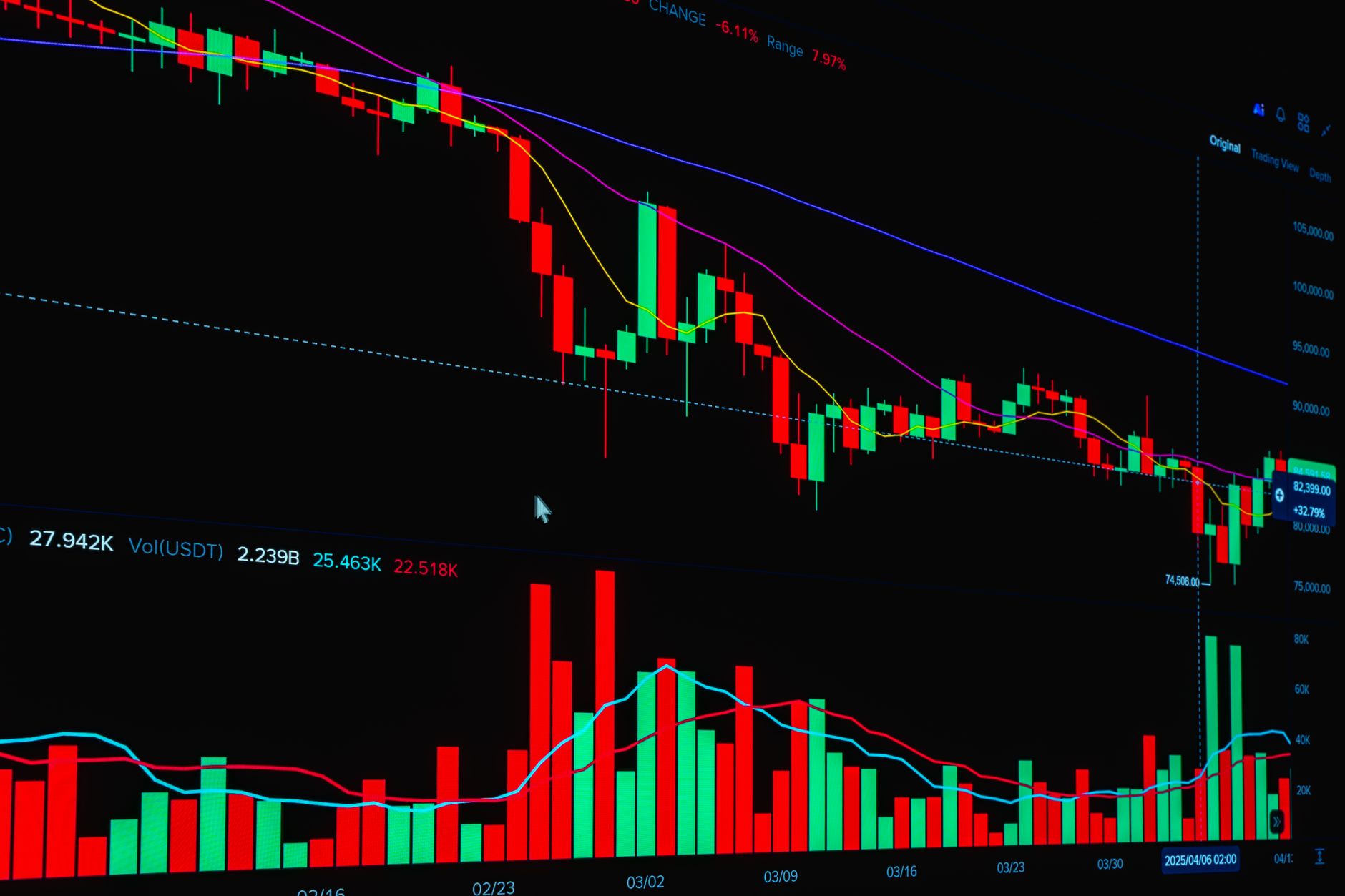
The double-digit percentage gain target is notable because it signals that current prices are seen as significantly dislocated from fair value – not merely slightly cheap. For that kind of gap to exist, the market has had to price in a fairly pessimistic scenario on a sustained basis. Restaurant stocks have been in that pessimistic pricing environment long enough that analysts are now treating the overshoot as an opportunity rather than a warning.
Inflation-battered is the precise description of where these stocks sit. The battering has come from multiple directions: higher food costs, higher labor costs, higher energy costs at the restaurant level itself, and softer consumer traffic driven by those same pressures hitting household budgets. A company can manage one or two of those pressures in stride. Managing all four at once, with no near-term relief visible, is what pushed valuations to levels where analysts now see asymmetric upside.
The stocks in this group are contrarian picks by definition – they are not momentum plays. Investors buying into them are making a bet that the current conditions are temporary and that the companies themselves have the underlying business quality to recover once the macro headwinds ease. That requires confidence in the individual operators, not just in a macro thesis about gas prices coming down. A chain that has permanently lost customer traffic or taken on too much debt during the downturn won’t recover simply because fuel gets cheaper.
What separates the nine names analysts have identified from the broader restaurant sector presumably comes down to balance sheet resilience and brand durability – the capacity to survive the bad stretch and then participate in the recovery. Chains that have maintained their customer base through price-sensitive periods, and that have not destroyed their unit economics in the process, are the ones best positioned to see their stocks re-rate when the external pressure finally lifts.
The Timing Problem Investors Face
Calling the bottom on a macro-dependent trade is notoriously difficult, and this one is no different. Gas prices are driven by crude markets, refinery capacity, seasonal demand patterns, and geopolitical events – none of which analysts covering restaurant stocks can control or predict with precision. The opportunity they’re describing is real in the sense that the valuation gap exists now, but the timeline for closing that gap is genuinely uncertain.
That uncertainty is exactly what keeps a contrarian trade from becoming consensus. If everyone were confident gas prices would fall by a specific date, the restaurant stocks would already have moved. The fact that they haven’t – that the double-digit upside opportunity still appears to exist in these nine names – means the market is either skeptical that fuel costs will ease soon, or has simply stopped paying close attention to a beaten-down sector. Either way, the investor who gets the timing right stands to capture gains that the patient, consensus-following money will miss.