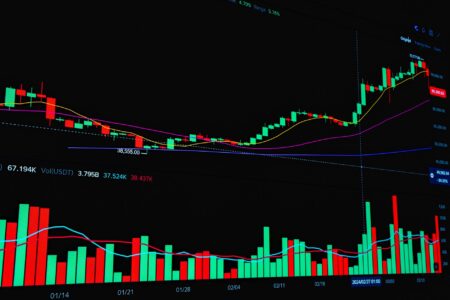



The selloff gripping US bond markets pushed long-dated borrowing costs to a level not seen since 2004 on Thursday, extending a months-long slide that has rattled investors betting on any near-term stabilization in government debt.

A Milestone Built Over Months
The 30-year Treasury yield crossing its highest point in more than two decades is not a sudden shock – it is the product of a sustained, grinding selloff that has been building across the bond market for months. Yields move inversely to prices, so the continued decline in bond values has pushed long-term rates steadily upward, eventually clearing a threshold not breached since 2004.
That 2004 comparison carries weight. The world looked considerably different then: the Federal Reserve was just beginning a rate-hiking cycle under Alan Greenspan, the housing market was still inflating, and the federal debt load was a fraction of its current size. The fact that yields have climbed back to that era’s levels reflects how dramatically the financing environment has shifted over the past two years.
For the US government, higher 30-year yields translate directly into higher borrowing costs on the longest-dated debt it issues. Treasuries with 30-year maturities are used to finance long-horizon spending commitments, and locking in debt at these rates means paying significantly more over the life of those bonds than would have been the case even 18 months ago.
The persistence of the selloff – described as months-long – suggests this is not a single-session reaction to one data point or policy announcement. Something more structural appears to be weighing on demand for long-dated US government debt, whether that is concern about the fiscal trajectory, shifting expectations around inflation, or changing appetite among foreign holders of Treasuries.

What Drives a Long Bond Selloff This Deep
When investors sell long-duration bonds at this scale and for this long, they are usually communicating something specific: that they expect either higher inflation, higher short-term rates for longer, larger government deficits requiring more bond issuance, or some combination of all three. A selloff confined to 30-year bonds would point squarely at long-run fiscal concerns. A broader move across the yield curve would suggest something closer to repriced rate expectations. The fact that this one targets long-dated borrowing costs reaching a 20-year high puts fiscal sustainability questions near the center of the conversation.
Foreign demand for US Treasuries has been a quiet but important variable. Central banks and sovereign wealth funds around the world have historically absorbed large quantities of long-dated US debt. Any signal that this demand is softening – whether from geopolitical friction, currency management decisions, or deliberate diversification away from dollar assets – can accelerate a yield move that might otherwise self-correct. A reduced buyer base for 30-year bonds forces the market to clear at higher yields to attract domestic and institutional investors who require more compensation for locking up capital for three decades.
Inflation expectations embedded in long bonds are equally relevant. If investors believe that price pressures will persist or re-accelerate over the next decade and beyond, they demand a higher yield to ensure that the fixed payments they receive retain real purchasing power. The Federal Reserve’s fight against inflation, while it has made progress, has not been declared over. That uncertainty keeps a floor under long-term yields even when short-term rates might suggest an easing cycle is underway.
Supply is the other side of the equation. The US Treasury has been issuing significant volumes of debt to cover persistent budget deficits, and the composition of that issuance – specifically how much falls in longer maturities – affects price pressure directly. More 30-year bonds hitting the market means buyers have more leverage, and they exercise it by demanding higher yields before committing capital. When supply runs ahead of demand at a given yield level, prices fall and rates rise until equilibrium resets at a higher point.
For institutional investors managing pension funds, insurance liabilities, or long-duration portfolios, yields at 20-year highs create a genuine decision point. On one hand, locking in elevated rates on 30-year Treasuries looks attractive from an income standpoint. On the other, if the selloff continues and yields push higher still, the mark-to-market losses on newly purchased bonds could be substantial. That same tension has been playing out across equity futures markets, where investors are trying to gauge how much of the bond market’s stress will migrate into stocks before conditions settle.
What Comes Next
A 30-year yield at its highest since 2004 does not automatically trigger a crisis, but it does change the math on nearly everything connected to long-term borrowing. Mortgage rates, which are loosely tied to 10- and 30-year Treasury yields, tend to climb alongside them – keeping pressure on housing affordability even if the Fed holds short-term rates steady or cuts modestly. Corporate borrowers planning long-dated debt issuances face steeper costs. And the US government’s own interest expense, already running at elevated levels, climbs further with each new auction cleared at a higher yield.
The question hanging over markets now is whether Thursday’s move represents the peak of this selloff cycle or simply another step in a longer climb. Nothing in the available picture points to a clear catalyst that would reverse the trend quickly – no imminent policy announcement, no dramatic shift in deficit projections, no sudden surge in foreign demand for long-dated Treasuries. The 2004 level was supposed to be a distant reference point. Now it is the floor the market is standing on, and investors are watching carefully to see whether it holds.