

A Policy Shift at a Fragile Moment
President Donald Trump’s new executive order on vaccines is drawing sharp criticism from pediatricians, who warn it will deepen parental hesitancy at precisely the moment when measles outbreaks are spreading, immunization rates are already sliding, and millions of children are returning to school.
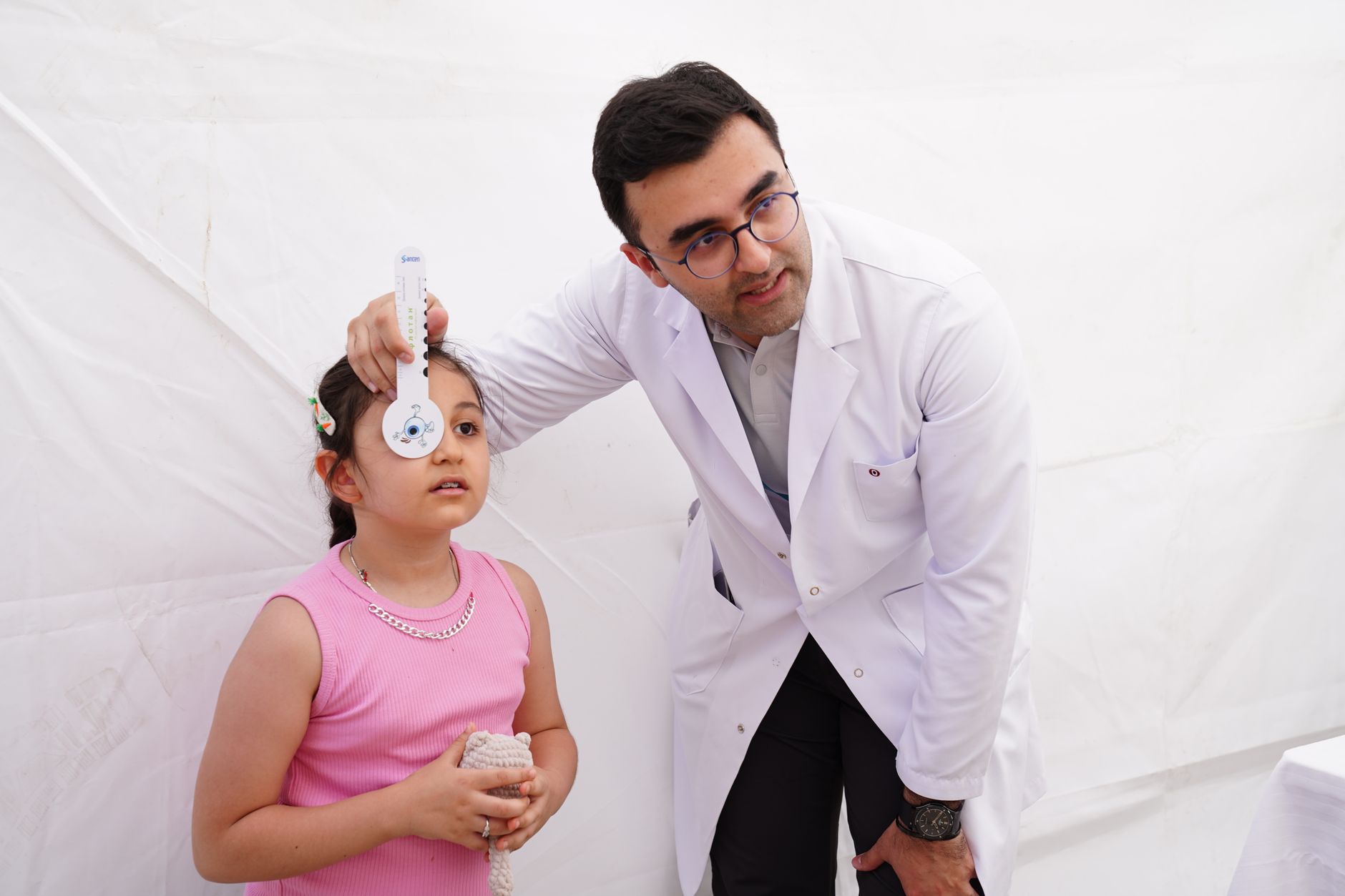
What the Order Means for Public Health – and Public Spending
The executive order arrives in a healthcare environment that was already under strain before a single word of it was signed. Measles, a disease that the United States had effectively eliminated through sustained vaccination campaigns, is actively raging again. That resurgence carries direct economic weight: measles outbreaks trigger quarantine protocols, emergency public health responses, hospital visits, and missed workdays for parents – costs that fall on families, insurers, employers, and state health budgets simultaneously.
Immunization rates were falling before the order landed. That decline reflects years of eroding trust in health institutions, accelerated by the information environment around COVID-19 vaccines. Trump’s order doesn’t exist in a vacuum – it enters a system already weakened, where the marginal effect of any signal from the White House is larger than it would be during a period of stable public confidence. When a sitting president issues a formal directive that raises questions about vaccine safety or necessity, physicians argue, the institutional credibility that holds vaccination programs together absorbs another hit it cannot easily recover from.
Pediatricians are specifically worried about the back-to-school timing. School entry is one of the most consistent points at which families interact with the healthcare system around vaccination – enrollment requirements, well-child visits, and school nurse screenings all funnel children toward immunization records. If parents arrive at those appointments already primed with fear or confusion generated by a federal policy signal, clinicians face a harder conversation at a moment when the calendar offers little room to delay. A child who doesn’t receive the MMR vaccine before the school year starts is a child who enters a classroom during a measles outbreak without protection.
The MMR vaccine – which covers measles, mumps, and rubella – has one of the longest and most thoroughly documented safety records in modern medicine. Two doses provide approximately 97 percent protection against measles. The disease itself, before widespread vaccination, killed hundreds of American children annually and left others with permanent neurological damage. Doctors worry the order muddies that record in the public mind at a moment when clarity is not optional.
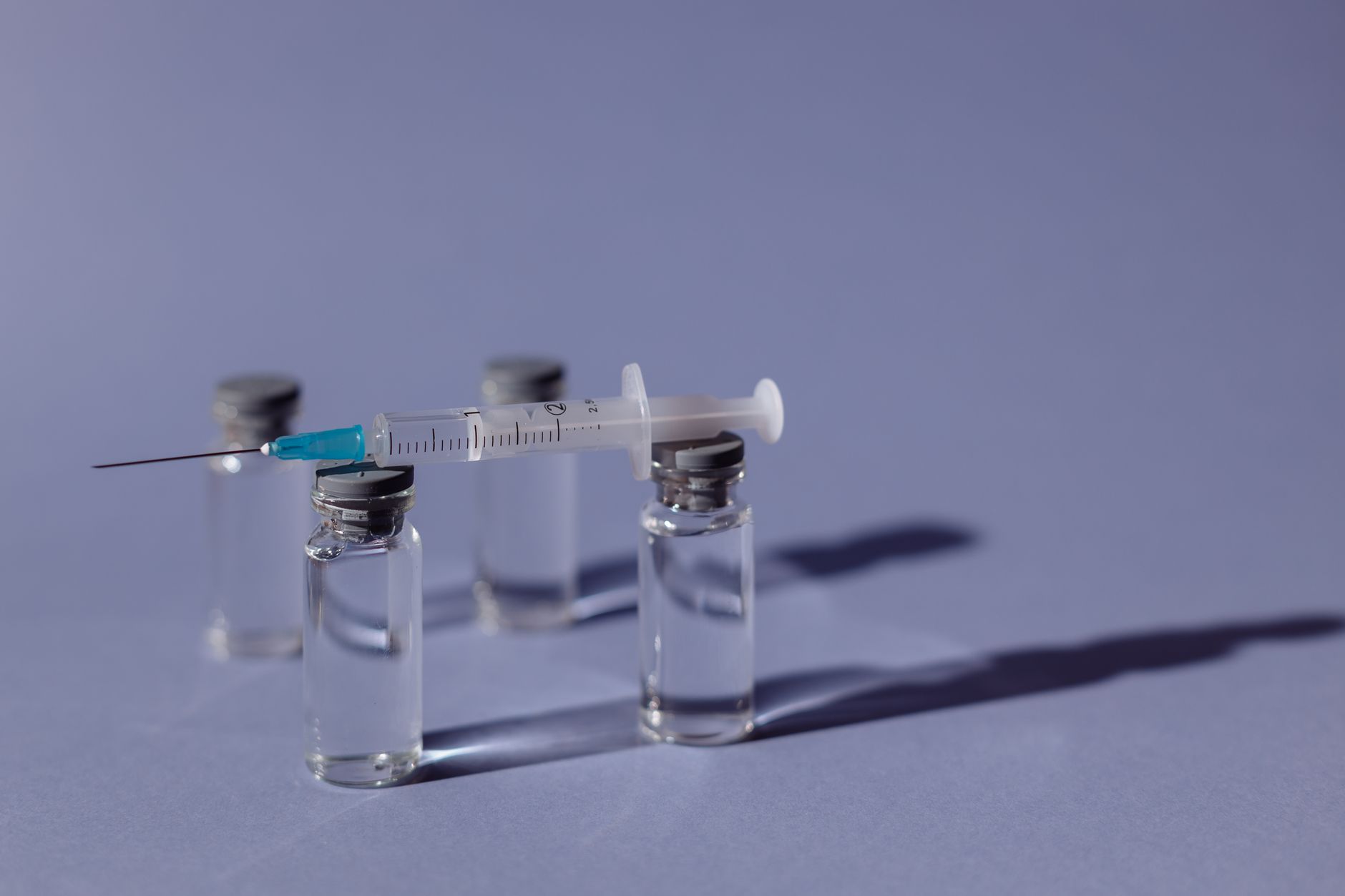
The Economic Cost of Declining Vaccination Coverage
Vaccine hesitancy is not a costless social phenomenon. When coverage rates fall below the threshold required for herd immunity – roughly 95 percent for measles, given how contagious the virus is – outbreaks become increasingly difficult to contain. Each outbreak generates a specific and measurable chain of expenditure. Local health departments deploy contact tracing teams. Hospitals treat cases that range from mild to severe, with uninsured and underinsured patients pushing costs onto the broader system. School districts navigate quarantine decisions that ripple into attendance records, staffing, and in some cases litigation.
Employers absorb the productivity losses when working parents stay home with sick children or spend hours navigating exposure notifications from school districts. A measles exposure at a school can generate dozens of quarantine notices, pulling parents out of work even when their own child tests negative. For hourly workers without paid sick leave – a substantial portion of the American workforce – a quarantine notice is not an inconvenience. It is a direct income shock.
State Medicaid programs bear a disproportionate share of treatment costs when outbreaks hit low-income communities, where vaccination gaps tend to cluster alongside other healthcare access barriers. Those costs compete directly with other budget priorities at a time when federal Medicaid funding is itself under pressure from proposed congressional changes. The intersection of declining vaccination coverage and reduced public health funding is not theoretical – it is playing out in real budget cycles across multiple states.
Private insurers are tracking these trends as well. Actuarial models for pediatric health plans are sensitive to infectious disease patterns, and a sustained decline in MMR coverage rates would eventually show up in premium calculations. That timeline is longer than a single school year, but insurance markets price expected future costs, not just current ones. If the industry reads the executive order as a signal that federal vaccine policy is shifting in a direction that will reduce uptake, that calculation begins immediately.
There is also a labor market dimension that rarely surfaces in coverage of vaccine policy. Healthcare workers – nurses, pediatric staff, school health aides – absorb the operational burden of managing outbreak responses and the emotional weight of vaccine counseling conversations that have grown longer, more contentious, and less conclusive over the past several years. Burnout among pediatric practitioners is already documented at high levels. A policy environment that sends contradictory signals from the federal government adds friction to every clinical encounter about childhood immunization.

Where the Risk Is Most Concentrated
The children most exposed to the consequences of this order are not evenly distributed. Communities where vaccination rates were already lagging – rural areas with limited provider access, urban neighborhoods with high rates of uninsured children, school districts where philosophical or religious exemption rates have climbed steadily – are the same communities where measles is most likely to find a foothold. Those are also, broadly, communities with the least capacity to absorb the economic disruption an outbreak produces.
Pediatricians are walking into back-to-school season with a specific question they don’t have a clean answer to: how do you counter the authority of a presidential executive order in a ten-minute well-child visit with a parent who arrived skeptical? The vaccine is free, the science is settled, the outbreak is real – and none of that has proven sufficient to close the gap that has already opened before the order added new uncertainty to it.