
A Safety Filing Lands Tesla Back in Regulators’ Crosshairs
Tesla is pulling back 20,349 vehicles from U.S. roads after federal safety regulators determined that the low-beam headlights on those cars may be excessively bright – bright enough to reduce visibility for drivers in oncoming lanes and increase the likelihood of a crash. The National Highway Traffic Safety Administration disclosed the recall on Tuesday, adding another entry to what has become a long and complicated history between the electric vehicle maker and federal oversight bodies.
The issue is not about headlights failing. It’s about them working too well – and in the wrong direction.
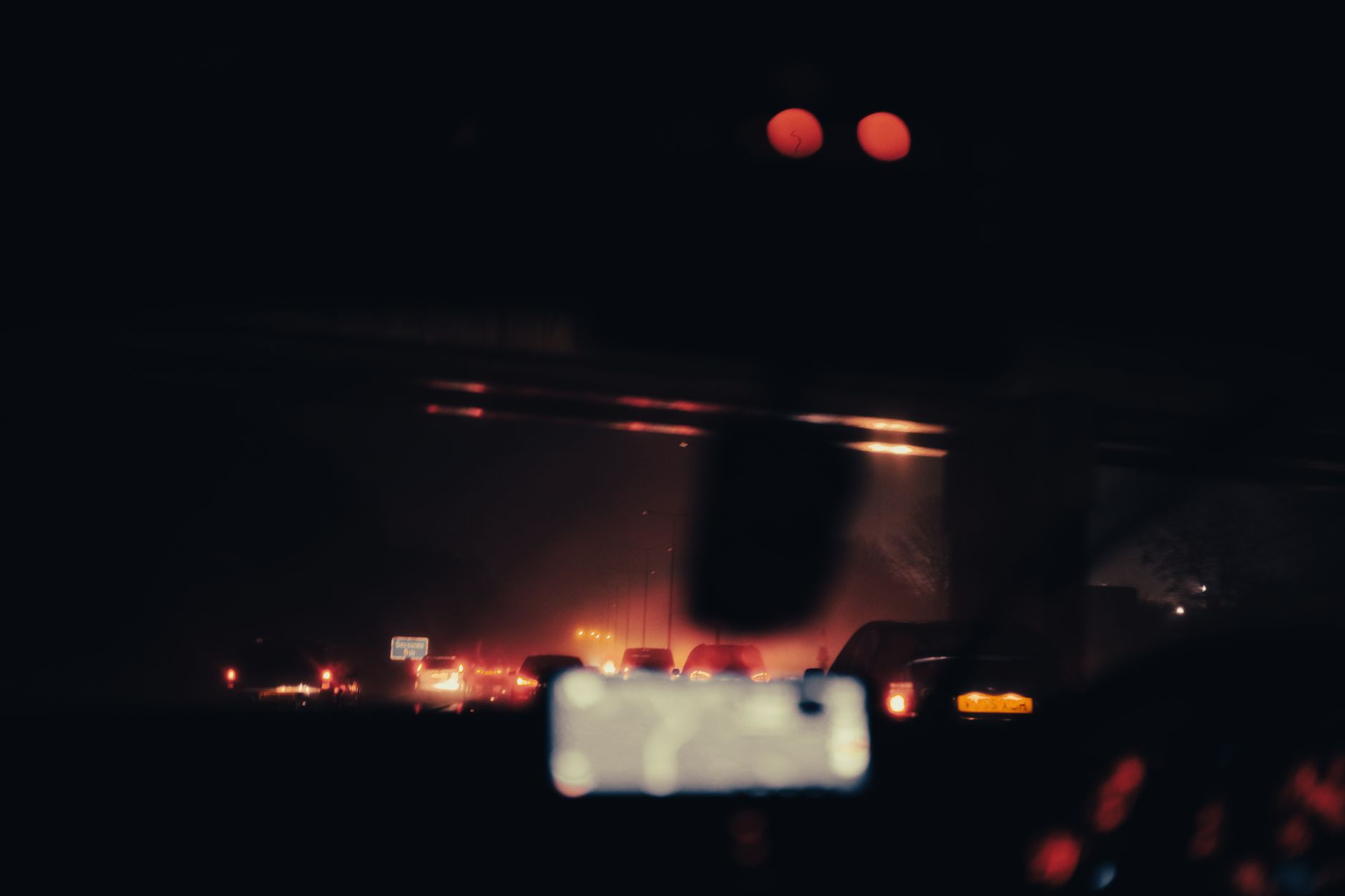
When low-beam headlights exceed safe brightness thresholds, they can function more like high beams from the perspective of oncoming traffic, momentarily blinding other drivers at the exact moment reaction time matters most. NHTSA’s involvement signals that the agency considers the condition a genuine crash risk, not a minor inconvenience or a cosmetic defect.
What the Recall Covers and Why It Matters Commercially
Tesla has not publicly detailed which specific model years or variants make up the 20,349 vehicles flagged in this action. NHTSA’s Tuesday announcement identified the problem as low-beam headlight intensity exceeding permissible levels under federal motor vehicle safety standards. Automakers are required to ensure that lighting systems meet defined output ranges – too dim creates a hazard for the driver, too bright creates one for everyone else on the road.
For Tesla, the commercial stakes of any recall extend beyond the direct cost of the remedy. The company’s brand has been built substantially on the argument that software-defined vehicles can iterate faster than traditional automakers, catching and correcting problems over the air without dealers, service centers, or physical intervention. A hardware-related lighting defect – one that cannot simply be patched through a software update pushed to the vehicle overnight – complicates that narrative in a concrete way. If the fix requires a physical adjustment or component replacement, owners will need to schedule service appointments, and Tesla’s service network has faced persistent criticism for appointment backlogs.
Twenty thousand vehicles is not a large recall by Detroit standards, where actions covering hundreds of thousands of units are routine. General Motors, Ford, and Stellantis each routinely file recalls that dwarf this figure. But Tesla operates on thinner margins at the service layer, and each recall action carries reputational weight that its more established competitors can more easily absorb into the background noise of normal manufacturing operations.
Tesla’s Recall Pattern and the Regulatory Relationship
This headlight recall arrives at a moment when Tesla’s relationship with NHTSA is already under close public scrutiny. The agency has been examining various aspects of Tesla’s driver-assistance systems and autonomous driving features, and the company has faced multiple recall actions in recent years – many of them resolved through over-the-air software updates rather than physical repairs. The distinction matters because software-based remedies cost Tesla relatively little per vehicle, while hardware corrections carry a real per-unit cost that adds up across even a modest fleet.
NHTSA’s authority to mandate recalls is broad, and automakers who receive a recall request from the agency typically comply rather than contest the determination publicly. Tesla’s filing acknowledges the agency’s finding, and the company is expected to notify affected vehicle owners directly, as required under federal law. Owners who receive a recall notice are entitled to have the defect corrected at no charge.
The headlight problem also raises a question about how Tesla’s vehicles are validated before they leave the factory floor. Lighting output is a measurable, testable characteristic – not a latent software behavior that only surfaces under specific driving conditions. If 20,349 vehicles reached customers with headlights exceeding federal brightness limits, the defect passed through whatever quality-control checkpoints were in place at the time of manufacture.
The Road Ahead for Affected Owners
For the roughly 20,000 Tesla owners now caught in this recall, the immediate next step is waiting for official notification from Tesla, which is required to mail recall notices to affected customers. Whether the remedy involves a hardware fix, a software adjustment to the headlight control system, or some combination of both has not been publicly specified in the NHTSA disclosure. That detail – hardware or software – will determine how disruptive the process is for owners and how much the recall ultimately costs Tesla to execute.
Tesla’s stock has shown sensitivity to regulatory and safety headlines in the past, though individual recall announcements of this scale rarely produce sustained market moves on their own. Investors tend to assess recalls in the context of broader operational trends rather than treating each filing as an independent signal. Still, recalls do contribute to the cumulative picture that analysts and institutional holders use when evaluating how well a manufacturer is managing product quality at scale.
What remains unanswered in Tuesday’s NHTSA disclosure is whether the excessive brightness was consistent across all 20,349 vehicles or whether it manifested variably – a distinction that points toward either a manufacturing tolerance issue or a design specification that was simply set too high from the start.
A headlight that blinds the driver ahead of you is a fundamentally different kind of product problem than one that leaves you in the dark – and NHTSA clearly decided 20,349 of them warranted a formal response.