



Spain’s Deoleo, the world’s largest olive oil bottler and marketer, saw its shares surge nearly 16% on Wednesday morning as a contested acquisition battle drew rival bidders into the open.
A Target Suddenly in Play
Deoleo occupies a position in the olive oil industry that most food companies would trade considerable goodwill to hold. As the largest bottler and marketer of olive oil globally, it controls shelf space and brand recognition across dozens of markets. That scale is exactly what makes it attractive to acquirers, and exactly why a bidding war, rather than a quiet deal, was always the more likely outcome once word of interest got out.
The 16% share jump on Wednesday reflects how sharply market participants repriced the stock once the competitive nature of the pursuit became clear. A single bidder in a friendly deal rarely generates that kind of single-session move. Multiple rivals circling the same target, each with reason to push the price higher, does.
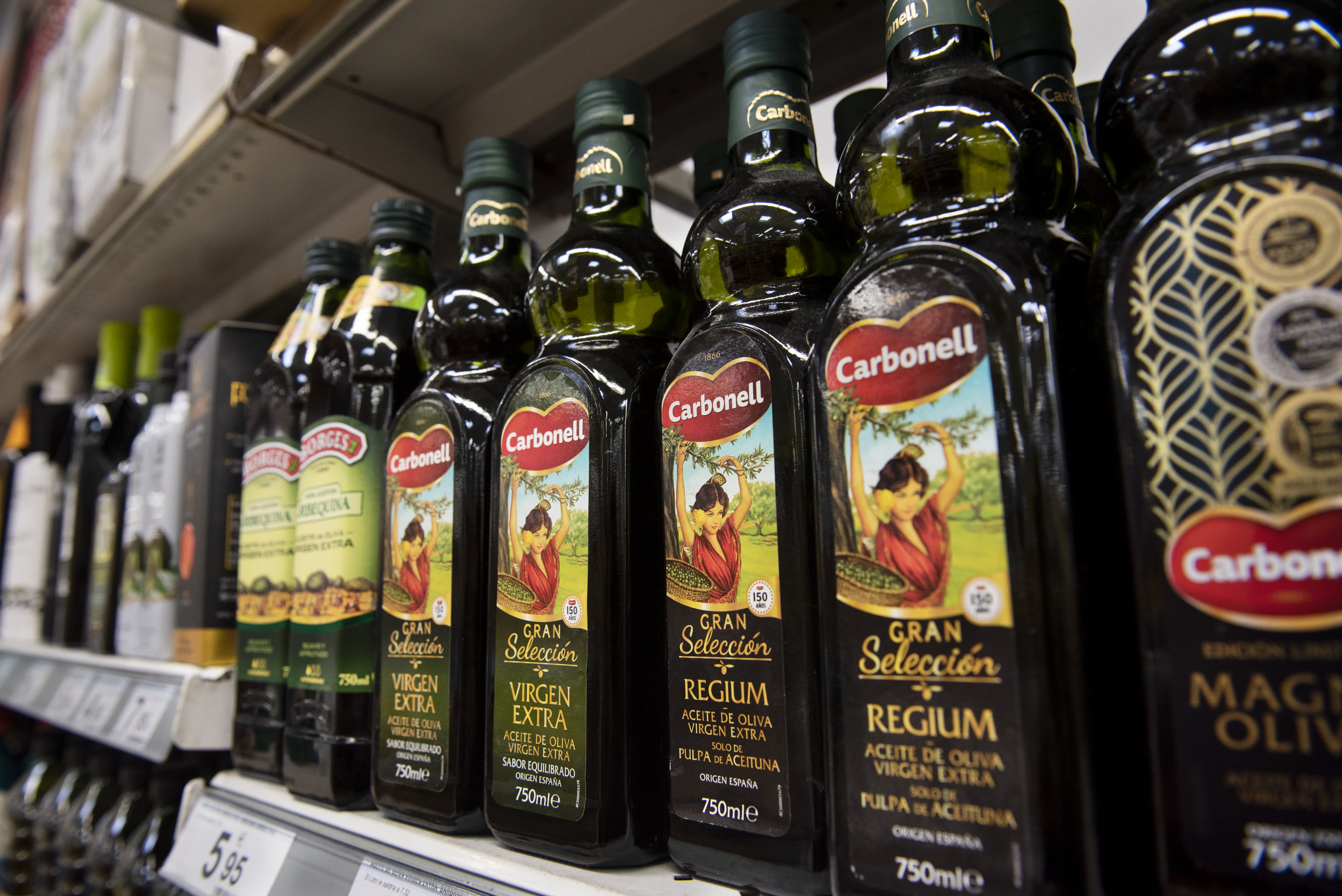
Deoleo’s brands include some of the most widely distributed olive oil labels in Europe and the Americas. The company’s reach extends across retail and food-service channels, giving any acquirer immediate distribution infrastructure rather than the years it would take to build equivalent market access organically.
Olive oil has moved steadily up the priority list for large food conglomerates. Demand has grown across North America and Northern Europe as consumers shifted toward Mediterranean dietary patterns, and supply disruptions in Spain and Italy over recent harvests pushed prices higher – making established, well-sourced bottlers more valuable, not less, in a tighter raw-material environment.

What the Bidding Battle Actually Signals
Takeover premiums of this scale don’t happen because one buyer is enthusiastic. They happen because a second or third buyer is equally serious, and each knows the others are at the table. The 16% move in Deoleo shares on a single morning is the market’s way of pricing in that dynamic – essentially betting that wherever the opening bids started, the final number will be higher.
For Deoleo’s existing shareholders, the situation is straightforward: wait and let the bidders compete. For the company’s management and board, it’s considerably more complicated. A contested takeover forces explicit conversations about strategic fit, employment commitments, and what an acquirer intends to do with a business that has significant European operational roots. Spanish regulators and politicians have, in past deals involving large domestic employers, shown interest in how foreign acquisitions are structured.
The identity and number of the rivals circling Deoleo matters enormously to how this resolves. A purely financial buyer – a private equity firm focused on margin extraction and an eventual resale – would manage the business differently than a strategic acquirer trying to bolt Deoleo’s distribution network onto an existing food portfolio. Shareholders tend to prefer strategic buyers in these situations because the synergy logic supports a higher price. Strategic acquirers tend to agree, at least when they’re the ones doing the buying.
Deoleo’s position as a marketer, not just a producer, is worth underscoring. The company doesn’t primarily grow olives – it sources, processes, bottles, and sells oil under branded labels. That business model means its value lies in contracts, brand equity, and distribution relationships rather than land or trees. Those assets are highly portable in an acquisition, which makes integration easier and the target more attractive to a wide range of potential buyers, including those without existing agricultural operations.
There is also a timing dimension. Olive oil prices have been elevated and volatile. A buyer that can lock in Deoleo’s sourcing relationships and hedging arrangements now is acquiring a buffer against continued price swings – that’s a strategic argument for moving quickly rather than waiting for the market to stabilize, which gives each rival bidder reason to accelerate its timeline rather than hold back.
Shareholders Watch, and Wait
For retail investors holding Deoleo shares, the 16% pop raises an immediate question: is the stock now priced for a deal, or priced for the best possible deal? If the bidding war intensifies and a final offer comes in substantially above Wednesday’s close, selling now means leaving money behind. If the competition cools and one party walks away, the stock could give back a portion of those gains quickly.

What keeps this situation unresolved is precisely what makes it interesting – no deal has been announced, no price has been agreed, and at least one rival bidder apparently believes Deoleo is worth more than whoever moved first was willing to pay. That gap, between where the stock was trading before this week and wherever a final acquirer lands, is the number every Deoleo shareholder is now doing math around.