


Wall Street faced a harsh reality check Friday as futures tumbled despite what had been shaping up as a solid week for equities. The catalyst came from an unexpected source: President Donald Trump’s announcement that China had committed to purchasing U.S. crude oil, sending energy prices soaring and rattling investors who had grown comfortable with lower commodity costs.
The timing couldn’t have been more pointed. Just as Kevin Warsh prepares to assume leadership of the Federal Reserve today, markets are grappling with fresh inflationary pressures that could complicate his early tenure. Oil’s sharp rise threatens to undo months of progress on price stability, creating an immediate test for the incoming Fed chair.

Energy Markets React to Diplomatic Breakthrough
Crude oil futures spiked immediately following Trump’s comments about the China agreement. The move caught many traders off guard, particularly those who had positioned themselves for continued energy sector weakness. Brent crude jumped more than 4% in early trading, while West Texas Intermediate saw similar gains.
The China deal represents a significant shift in global energy flows. Beijing’s commitment to increase U.S. crude purchases could reshape supply chains that have been in flux since the trade tensions of recent years. Energy companies with exposure to export markets saw their shares rise in pre-market trading, even as broader indices fell.
However, the enthusiasm in energy circles contrasts sharply with concerns elsewhere in the market. Consumer-focused sectors, already struggling with margin pressures, now face the prospect of higher transportation and input costs. Airlines, shipping companies, and retailers led the decline in futures trading as investors calculated the potential impact on their bottom lines.
Warsh Era Begins Amid Market Turbulence
Kevin Warsh’s swearing-in as Federal Reserve Chair arrives at a delicate moment for monetary policy. The oil price surge threatens to complicate the Fed’s inflation targets just as the central bank appeared to be gaining control over price pressures. Rising energy costs have already pushed inflation higher despite previous rate cuts, and today’s developments could accelerate that trend.
Market participants are watching closely for any early signals from Warsh about his policy approach. His academic background and previous Fed experience suggest a data-driven stance, but the oil price shock presents an immediate challenge that could force his hand sooner than expected.
Week’s Gains Under Pressure
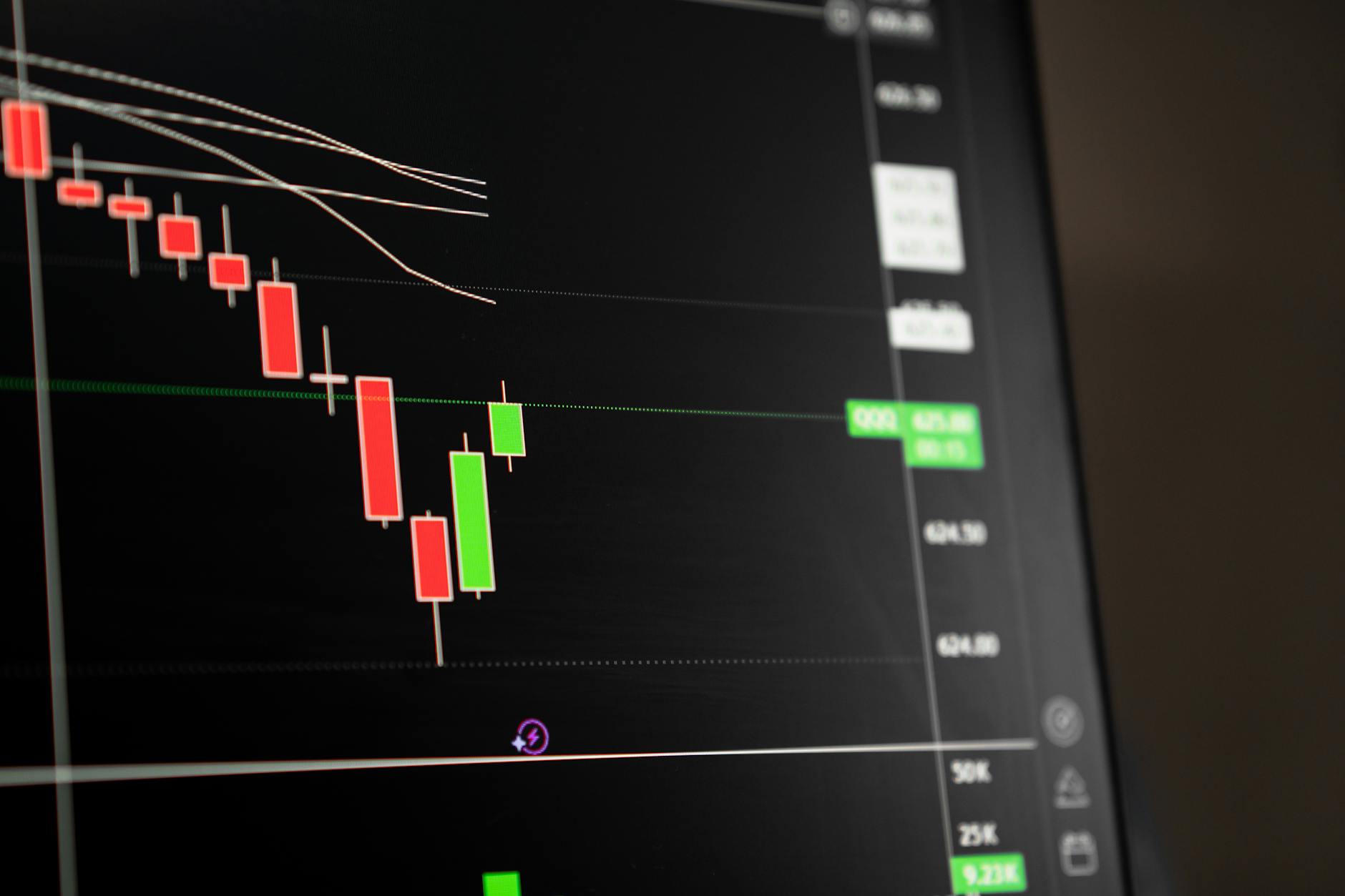
The Friday selloff threatens to erase what had been a strong week for major indices. The S&P 500 had gained nearly 2% through Thursday’s close, driven by solid earnings reports and optimism about economic growth. Technology stocks in particular had shown resilience, with several major names posting impressive quarterly results.
Now those gains hang in the balance as investors reassess their positions. The energy price surge creates a complex calculus for portfolio managers who must weigh the benefits of higher oil revenues for energy companies against the costs for the broader economy. Consumer discretionary stocks bore the brunt of Friday’s selling, reflecting concerns about household spending power.
Bond markets offered little refuge as yields rose alongside oil prices. The 10-year Treasury yield climbed above recent highs as investors priced in the potential for more aggressive Fed action. Credit markets showed signs of strain as well, with corporate bond spreads widening across multiple sectors.
International markets faced their own pressures from the oil move. European indices opened lower as investors there grappled with higher energy import costs. Asian markets had mixed reactions, with energy-importing nations seeing declines while oil-producing regions showed strength. The dollar strengthened against most major currencies as higher U.S. interest rate expectations took hold.
The confluence of events – Trump’s China announcement, oil’s surge, and Warsh’s Fed appointment – creates an unusual dynamic for market participants. Energy traders are celebrating while equity investors reassess their positions for a potentially more inflationary environment. The question now is whether Warsh’s Fed will prioritize growth or price stability when these forces inevitably clash.