


Electric utilities across multiple states are recording higher profits as artificial intelligence infrastructure drives up power consumption, prompting government officials to question whether customers are bearing unfair costs. The surge in data center construction has created a new revenue stream for power companies, but governors and attorneys general argue that residential ratepayers shouldn’t subsidize corporate AI expansion.
State regulators are now examining utility rate structures as electricity demand from AI operations outpaces traditional usage patterns. The disputes center on how utilities allocate infrastructure costs between commercial data centers and household customers, with some officials claiming the current system penalizes residents who have no stake in the AI economy.
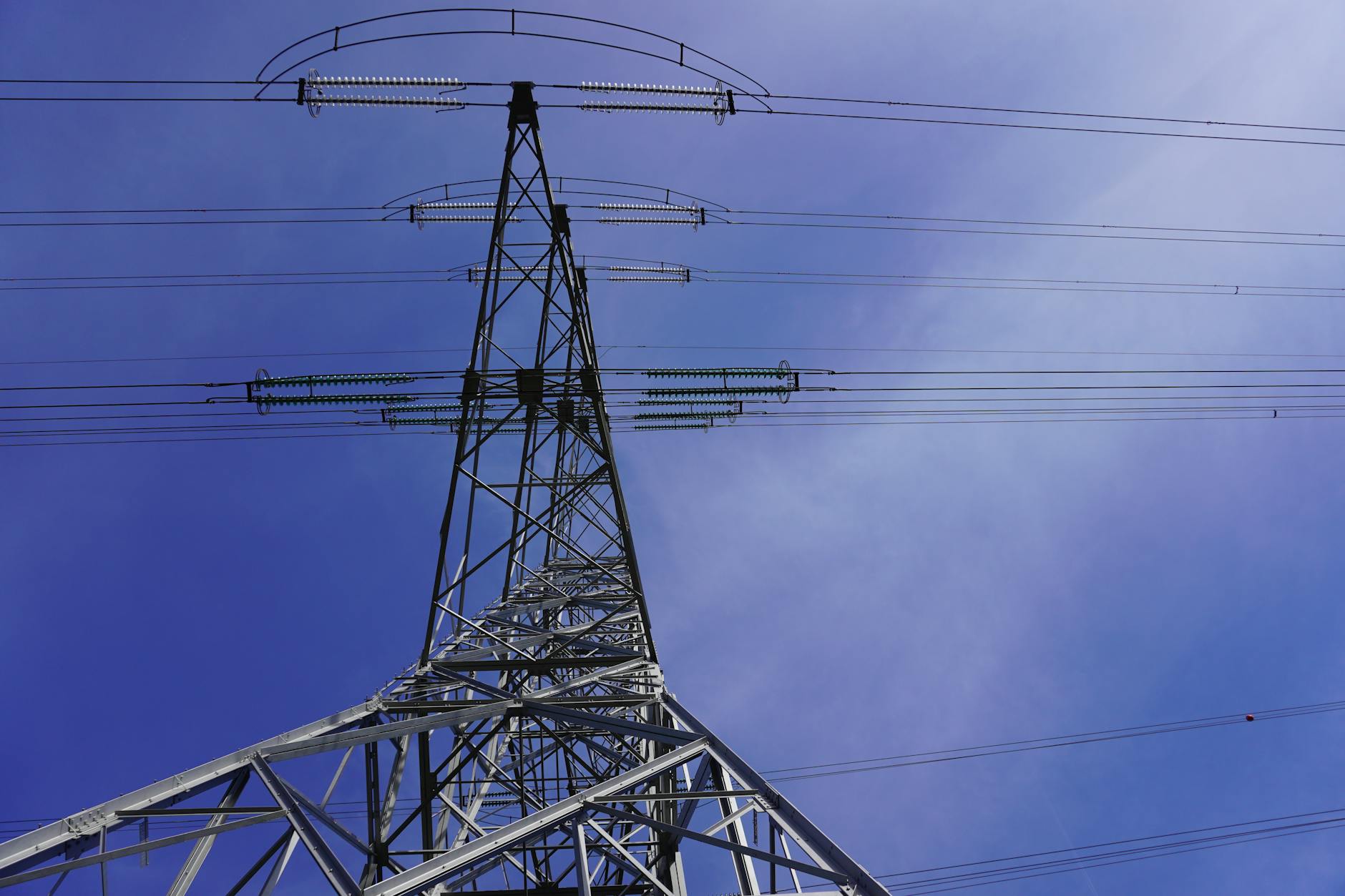
Power Companies Cash In on Data Center Boom
Utility earnings reports show measurable increases in revenue tied to AI-related electricity consumption. Data centers require massive amounts of power for both computing operations and cooling systems, creating consistent demand that utilities can plan around. This predictable load allows power companies to justify new infrastructure investments while maintaining stable profit margins.
The financial benefits extend beyond simple volume increases. AI facilities often require dedicated power lines and specialized grid connections, generating additional revenue through infrastructure fees. Some utilities have negotiated long-term contracts with tech companies that guarantee minimum usage levels, providing income security that traditional residential customers cannot match.
However, state officials question whether these arrangements create an unbalanced cost structure. When utilities build new transmission lines or upgrade substations to serve data centers, those capital costs typically get spread across all customers through rate adjustments. Critics argue this forces households to pay for infrastructure they don’t use while tech companies benefit from the improved grid capacity.
Officials Push Back Against Rate Increases
Several governors have formally challenged utility rate proposals that would increase residential bills to fund AI-related infrastructure. These officials contend that power companies are using the AI boom to justify rate hikes that disproportionately affect low-income households already struggling with energy costs.
Attorneys general in affected states are reviewing utility regulatory filings for evidence of excessive profit-taking. Some have initiated formal investigations into whether power companies are manipulating rate structures to maximize returns from the AI sector while shifting costs to captive residential customers who have no alternative providers.

Residents Caught Between AI Growth and Rising Bills
The conflict highlights a fundamental tension in how utilities recover infrastructure costs. Traditional rate-setting assumes that all customers benefit roughly equally from grid improvements, but AI data centers create highly concentrated demand that requires targeted upgrades. When a utility builds a new substation primarily to serve a tech campus, regulators must decide whether that cost should be shared by all customers or allocated specifically to the beneficiary.
Consumer advocates point out that residential customers face mandatory rate increases while having no choice in their power provider. Unlike commercial customers who might negotiate special rates or seek alternative arrangements, households must accept whatever rates regulators approve. This captive customer base effectively subsidizes utility investments that primarily benefit corporate clients.
The timing compounds the problem for many families. Rising electricity bills coincide with broader inflation pressures on household budgets, making even modest rate increases financially painful. State officials argue that utilities should absorb more of the AI infrastructure costs through their existing profit margins rather than automatically passing expenses to customers.
Some utilities counter that spreading costs across all customers is the most efficient approach, claiming that dedicated cost allocation would create complex rate structures and administrative overhead. They maintain that improved grid capacity benefits everyone, even if AI facilities are the immediate driver for upgrades. Yet this argument fails to address why residential customers should fund infrastructure improvements they cannot directly access or control.

The regulatory battles are intensifying as more AI companies announce data center projects. Each new facility potentially triggers another round of utility infrastructure investments and rate adjustment requests. With artificial intelligence adoption accelerating across industries, the fundamental question remains: who should pay for the power grid expansion that makes the AI economy possible?