


A Peace Trade Takes Shape on Wall Street
Delta Air Lines, United Airlines, and MGM Resorts landed among the S&P 500’s top performers on Wednesday as investors placed early bets that the conflict involving Iran is winding down. The move reflected a straightforward calculation: fewer geopolitical shocks mean cheaper oil, fuller planes, and gamblers back on the casino floor in Las Vegas.
The rally put travel names at the center of one of the more speculative trades of the week – a sector-wide wager that a fragile diplomatic moment could hold long enough to matter for earnings.
What’s Driving the Travel Sector Bet
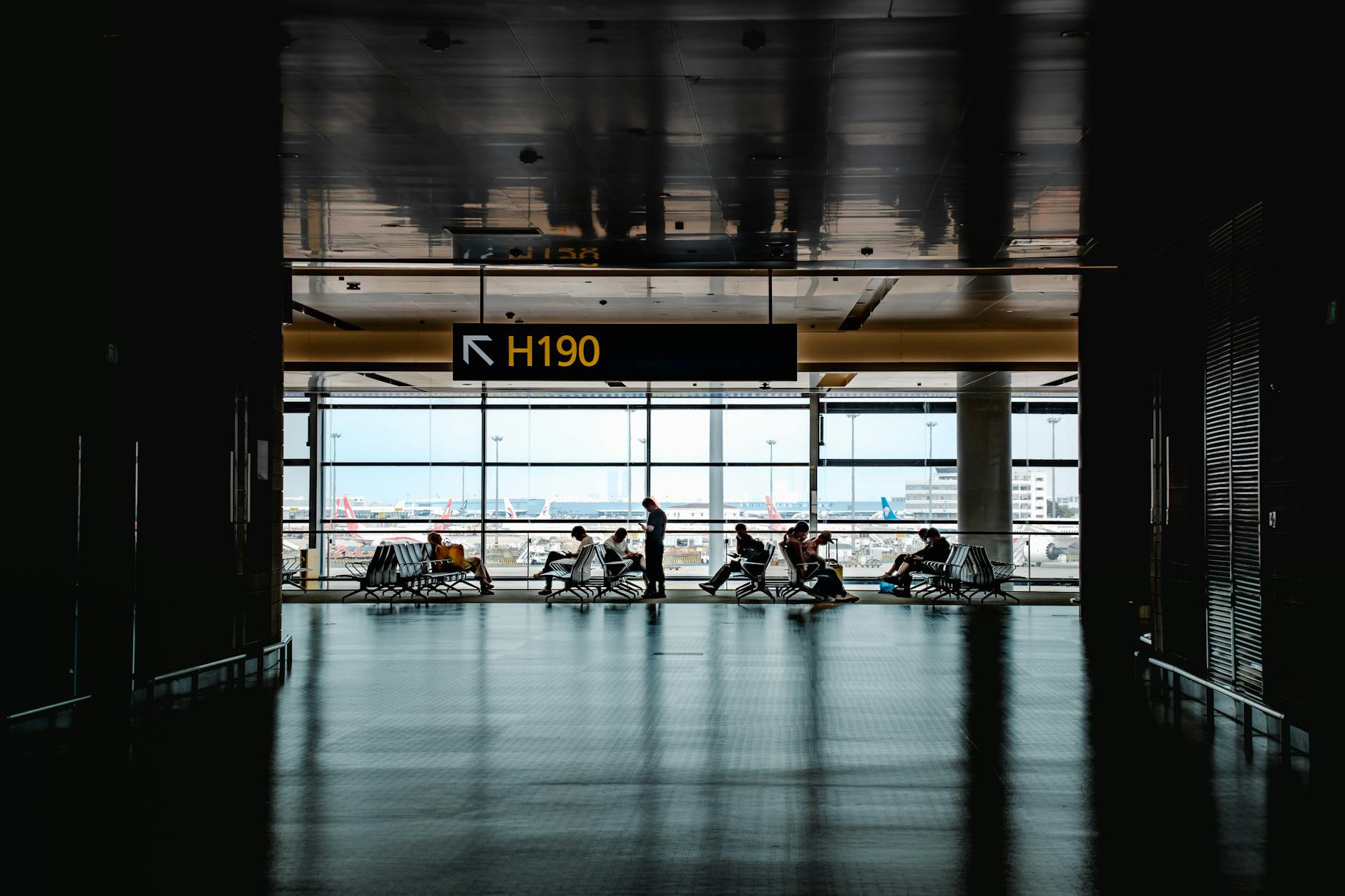
Airlines are acutely sensitive to conflict in the Middle East for reasons that go beyond simple sentiment. When tensions flare, jet fuel costs climb, flight routes get rerouted or cancelled, and business travelers pull back on discretionary trips. A de-escalation scenario runs that logic in reverse – oil prices ease, load factors stabilize, and forward bookings recover. Delta and United, both of which operate significant international routes through Middle Eastern airspace, stand to benefit directly if those corridors reopen or normalize.
MGM’s inclusion in the rally is a different kind of story. Casino and resort stocks often track broad consumer confidence – when people feel better about the world, they spend more on leisure. MGM’s position as one of the largest operators on the Las Vegas Strip and in Macau makes it a proxy for discretionary travel spending, and Wednesday’s move suggested traders were pricing in a version of events where consumer anxiety drops alongside geopolitical risk.
The three stocks moving together signals something beyond individual company news. It points to a coordinated sector rotation – money shifting out of defensive positions and into names that need a calmer global backdrop to perform. That trade has a clean internal logic, but it rests on an assumption about how the Iran situation resolves, and that assumption is contested.

One Strategist Pushes Back
Not everyone on Wall Street read Wednesday’s gains as a rational repricing of risk. At least one strategist called the market’s optimism misplaced – a pointed warning that the travel sector rally may be running ahead of facts on the ground.
That skepticism matters because sector rallies built on geopolitical resolution often unwind fast. If the diplomatic signals that drove Wednesday’s buying fail to produce an actual ceasefire or formal de-escalation, the same stocks that led the S&P 500 higher can give back those gains in a single session. Travel names, with their high fixed costs and thin margins in uncertain environments, are particularly exposed to that kind of reversal.
Reading the Risk in Real Time
The S&P 500’s biggest single-day gainers tend to attract attention precisely because the move is outsized – but that magnitude is also a signal about how much uncertainty is still baked into those prices. Delta and United don’t typically crack the top of the index’s daily leaderboard on normal trading days. When they do, it usually means the market is rapidly repricing a risk that had been weighing on valuations, which implies those valuations had already discounted a bad outcome to some degree.
For individual investors watching this trade, the mechanics are worth understanding. A peace-trade rotation is not the same as a fundamental improvement in a company’s earnings outlook. Delta’s revenue per available seat mile, United’s international booking trends, and MGM’s room rates and gaming volumes haven’t changed because of one day’s diplomatic signals. What changed is the probability weight traders are assigning to different scenarios – and that weight can shift back just as quickly.
There is also a broader portfolio question embedded in this moment. Investors who missed the initial rally on Wednesday now face a decision about whether the thesis still holds or whether the easy money in the trade has already been captured. Chasing sector momentum after a sharp single-day move has a poor historical track record, particularly when the underlying catalyst – in this case, a potential end to a conflict – remains unverified and fluid. The strategist’s warning about misplaced optimism speaks directly to that risk.
MGM’s presence in the conversation alongside the two major U.S. carriers also highlights how broadly the market defines “travel” when it scans for beneficiaries of a calmer world. Hotels, casinos, cruise lines, and online booking platforms all tend to get swept into these rotations, sometimes regardless of how directly their business is actually tied to Middle Eastern risk. That indiscriminate buying is part of what one strategist appears to be flagging – the market may be drawing a straight line between “Iran tensions ease” and “leisure spending recovers” that skips several important steps in between.
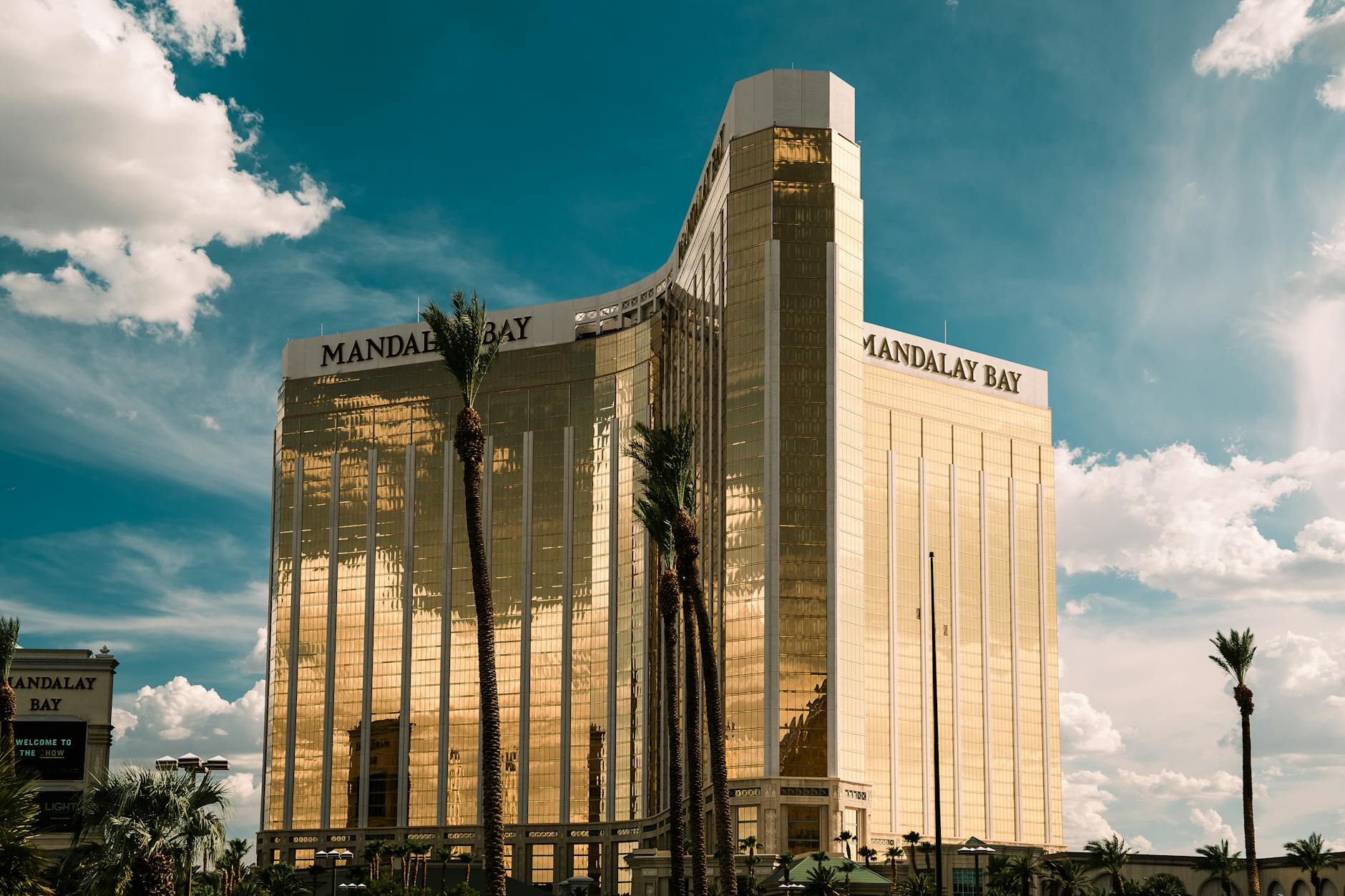
Delta closed among the S&P 500’s top gainers. So did United. So did MGM. Whether any of them are still there a week from now depends less on their own operations than on what happens in a negotiation their executives have no part in.