

A Sweeping Tariff Proposal Reshapes U.S. Trade Policy
The U.S. Trade Representative has put forward a proposal to impose tariffs of at least 10% on dozens of major trading partners, a move the Trump administration says is rooted in findings from a probe into alleged forced labor practices. The announcement marks a broad expansion of trade barriers that would touch a wide range of countries simultaneously, rather than targeting a single nation or industry.
This is not a minor adjustment to existing trade schedules – it is a structural shift in how Washington intends to price access to American consumers.
The proposal comes through the USTR, the federal office responsible for developing and coordinating U.S. international trade policy. By anchoring the tariffs to a forced labor investigation, the administration is framing what could otherwise be seen as a protectionist measure as a labor rights enforcement action – a distinction that matters politically and legally when trading partners push back through international dispute mechanisms.
What the Forced Labor Probe Actually Means for Trade
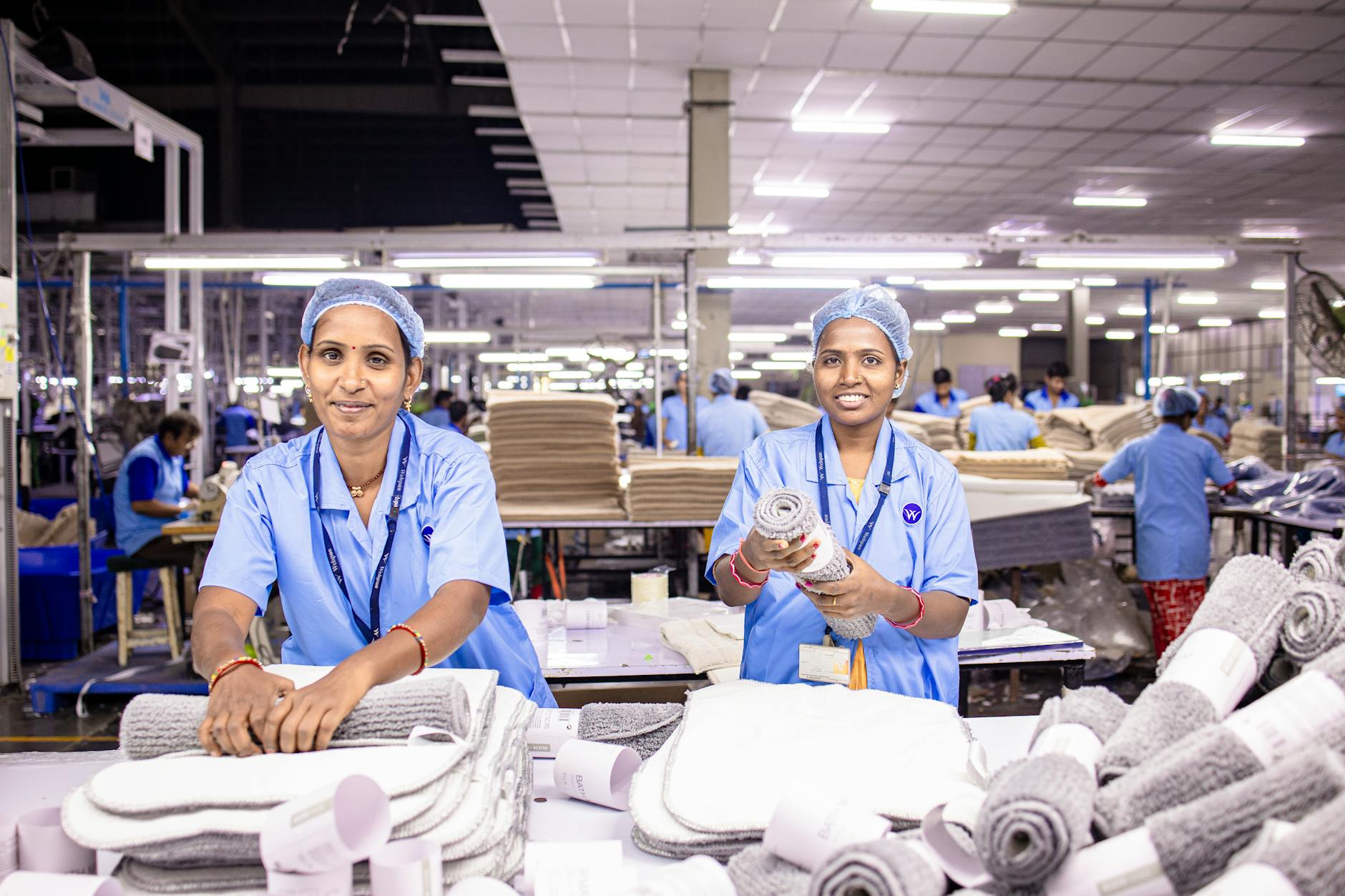
Forced labor investigations have increasingly become a tool of U.S. trade policy over the past several years. The Uyghur Forced Labor Prevention Act, passed in 2021, established a presumption that goods made in China’s Xinjiang region involve forced labor, effectively banning their import unless importers can prove otherwise. The USTR’s current probe appears to apply similar logic more broadly, extending scrutiny beyond a single region or country to dozens of trading partners.
When the U.S. government determines that a country’s exports involve forced labor, tariffs function as both a punitive measure and a market signal. They raise the cost of importing goods produced under those conditions, which in theory makes American-made alternatives or goods from compliant countries more price-competitive. Whether that mechanism actually changes labor practices abroad is a separate debate – but as a trade instrument, tariffs tied to labor findings carry significant legal weight under existing U.S. statutes.
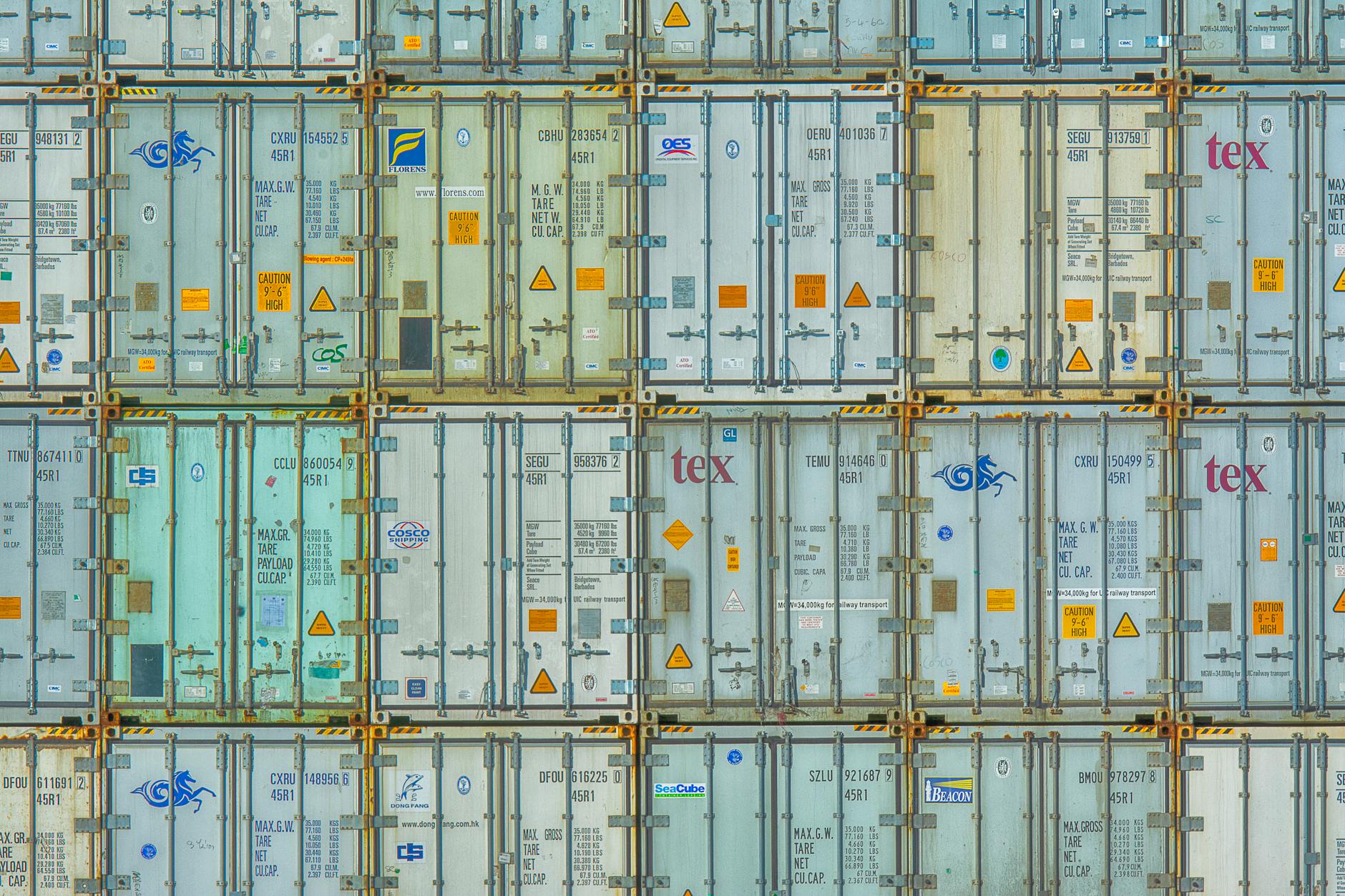
The 10% floor is notable because it applies broadly rather than being calibrated to specific industries or product categories, at least as initially proposed. A flat minimum rate across dozens of partners creates a new baseline for how the U.S. approaches trade with much of the world. Importers, shipping companies, and retailers who depend on international supply chains will need to reassess cost structures quickly if the proposal moves forward.
The Political Architecture Behind the Announcement
The Trump administration has consistently used tariffs as both an economic and diplomatic instrument. Earlier in the administration’s tenure, broad tariff proposals were used to open negotiating leverage with countries including China, Canada, and Mexico. A proposal affecting dozens of partners at once follows that same pattern – it sets a floor from which bilateral negotiations can proceed, with individual countries potentially able to seek exemptions or reduced rates by making concessions on labor standards, market access, or other policy areas.
Framing the tariffs through a forced labor investigation also insulates the administration from some of the criticism that typically greets straightforward protectionist measures. Labor rights are broadly popular across the political spectrum, making it harder for domestic opposition to argue against tariffs when they carry that justification. Trading partners, meanwhile, face a more complicated legal path to challenging the measures at the World Trade Organization, since forced labor provisions connect to internationally recognized standards.
For countries that export heavily to the United States, a 10% tariff represents a meaningful cost increase – one that either gets absorbed by the exporting company, passed to U.S. importers, or ultimately priced into goods on American store shelves. In industries where margins are already thin, a 10-percentage-point cost increase on imported inputs can determine whether a product is manufactured domestically or abroad.
Global markets have already shown sensitivity to tariff escalation in 2025. Asian markets in particular have been reacting to geopolitical and trade pressures, and a broad tariff proposal of this scope would add another variable to an already unsettled trading environment.
What Comes Next
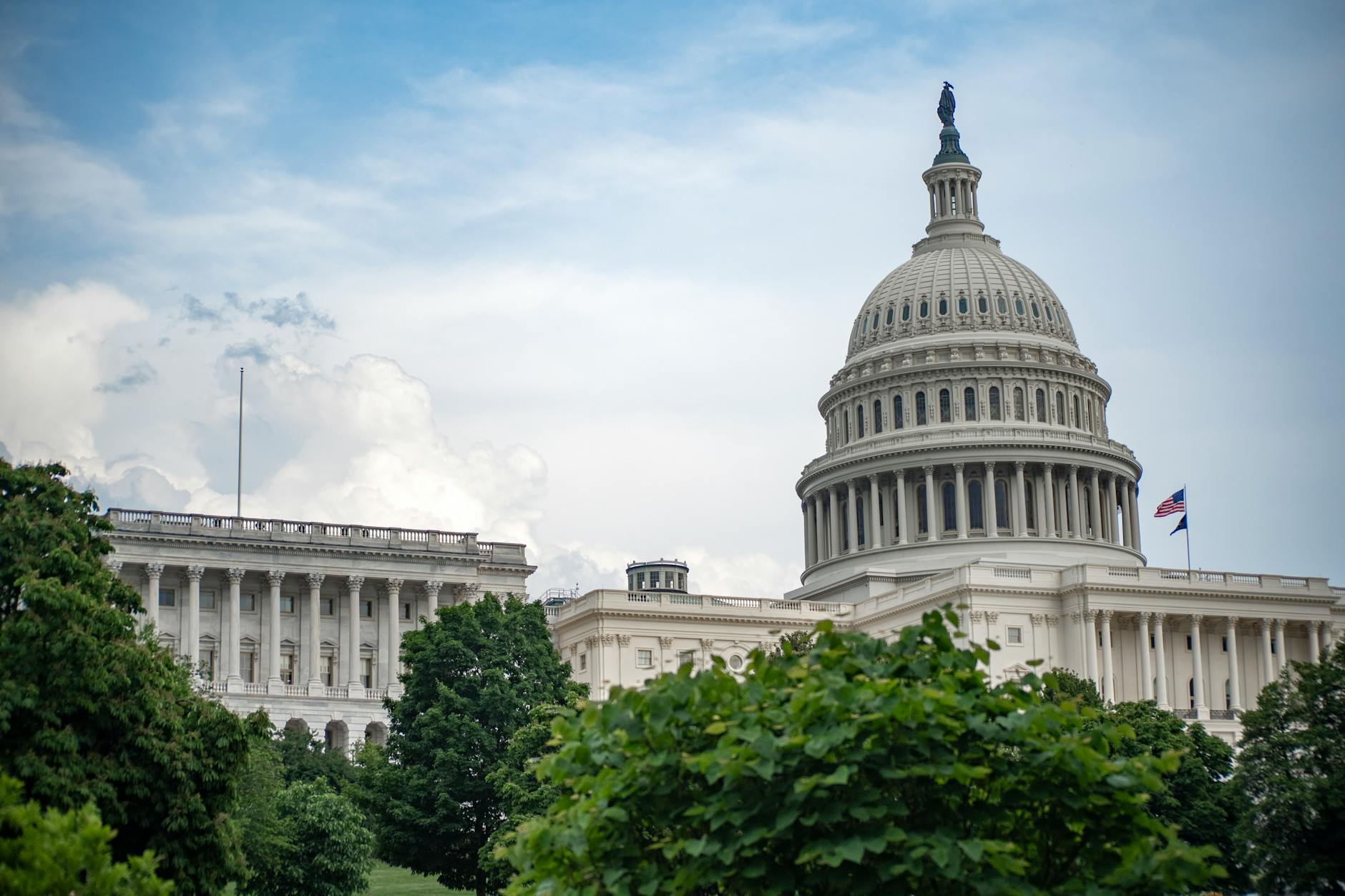
Trade proposals from the USTR typically go through a public comment and review process before taking effect, which means the 10% rate and the list of affected countries could change. Industry groups, foreign governments, and domestic importers will all have the opportunity to submit formal objections or requests for modification. The history of recent tariff proposals suggests that initial announcements often shift considerably by the time final rules are published – sometimes higher, sometimes lower, and sometimes narrowing in scope as political and economic feedback shapes the final policy.
What remains fixed, at least for now, is the administration’s stated rationale: forced labor findings across dozens of trading partners justify a new minimum tariff threshold. That framing will be tested in the weeks ahead as affected governments respond, legal challenges are assessed, and U.S. importers calculate exactly how much their cost structures are about to change.
A 10% tariff on goods from dozens of countries, applied all at once, means that nearly every major supply chain touching U.S. commerce gets repriced simultaneously – and no importer has been given a clear timeline for how long that pressure will last.