



A Sweeping Trade Action Against America’s Northern Neighbor
President Donald Trump has imposed 50% tariffs on most Canadian goods, citing what he describes as unfair discrimination against American automobiles, alcohol, and dairy products. The move marks a sharp escalation in trade tensions between two countries that share one of the largest bilateral trading relationships in the world.
The tariffs apply broadly across Canadian imports, with particular focus on three sectors that U.S. officials have long identified as points of friction – autos, alcoholic beverages, and cheese. Canada has not yet formally responded to the announcement, leaving open the question of whether retaliatory measures are coming and how severe they might be.

What the Tariffs Actually Cover
At 50%, the new rate is steep by any modern trade standard. Most Canadian goods crossing into the United States will now face that levy at the border, a blanket application that goes well beyond targeting specific industries. The auto sector, alcohol trade, and dairy imports are named explicitly in Trump’s declaration as the primary justifications for the action, framed as a corrective response to Canadian policies that allegedly shut out or disadvantage American producers.
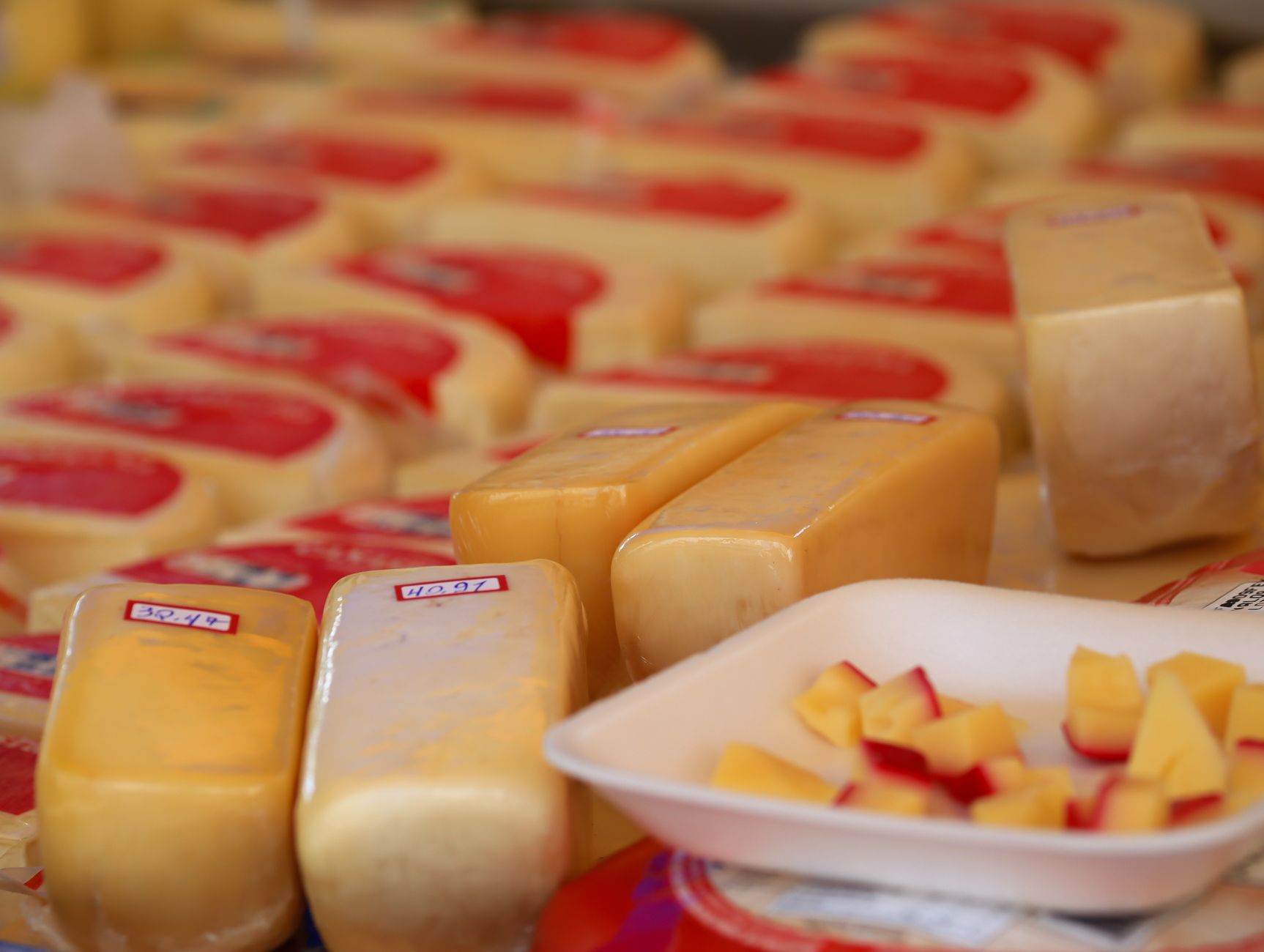
The dairy angle is not new. American farmers and trade negotiators have complained for years that Canada’s supply management system – a quota-based structure that controls domestic production and limits foreign competition – effectively walls off its dairy market from U.S. products. Under that system, tariffs on imports exceeding quota limits can reach several hundred percent, making meaningful market access practically impossible for American cheese and milk producers. Trump’s 50% counter-tariff frames that long-standing grievance as grounds for broad retaliation.
On alcohol, American spirits exporters have pushed back against Canadian provincial liquor control boards, which govern where and how foreign alcohol can be sold. Those boards have historically favored domestic products in shelf placement and pricing, a practice U.S. trade officials have called discriminatory. The auto sector grievance is more structural – Canadian trade policy and longstanding production arrangements have shaped cross-border auto manufacturing in ways that, from the American side, are seen as tilting competitive conditions against U.S. workers and plants.
The Economic Stakes
Canada is among the United States’ largest trading partners, with hundreds of billions of dollars in goods moving across the border annually. A 50% tariff applied broadly to Canadian imports is not a surgical strike – it is a pressure campaign with wide economic exposure on both sides.
American manufacturers that rely on Canadian inputs, including parts suppliers tied into North American auto production chains, will face higher costs that may work their way through to consumers. Industries in Canada that depend heavily on U.S. market access now face a significantly more expensive barrier to their single largest customer.
A Pattern of Trade Pressure
Trump’s use of tariffs as a negotiating instrument has defined much of his approach to foreign economic policy across both his first and second terms. The Canada action fits within a broader posture of using import duties to extract concessions or register displeasure with trading partners’ domestic policies – a method that generates immediate economic disruption in exchange for potential longer-term leverage.
The specific targeting of autos, alcohol, and dairy is notable because each sector carries significant political weight in the states and districts that form the core of Trump’s electoral coalition. Dairy farmers in the Midwest, auto workers in Michigan and Ohio, and distillers in Kentucky and Tennessee have all raised complaints about Canadian market access at various points. The tariff announcement addresses those grievances simultaneously, even if the actual relief for those industries remains uncertain until Canada’s response is known.
What makes the 50% rate particularly striking is its magnitude relative to conventional trade dispute mechanisms. World Trade Organization processes, bilateral negotiations, and targeted duties are the usual toolkit. A sweeping 50% tariff on most goods from a major ally and neighbor operates outside that graduated framework, placing maximum pressure upfront rather than escalating incrementally.
The three sectors called out – autos, alcohol, cheese – each have their own separate histories of U.S.-Canada friction, and bundling them under a single tariff action compresses what are typically distinct negotiating tracks into one blunt instrument. Whether that produces faster resolution or deeper entrenchment depends almost entirely on how Ottawa chooses to answer. Canada has previously matched U.S. tariffs dollar-for-dollar in past disputes, and its government faces domestic political pressure to be seen standing firm.
What Comes Next
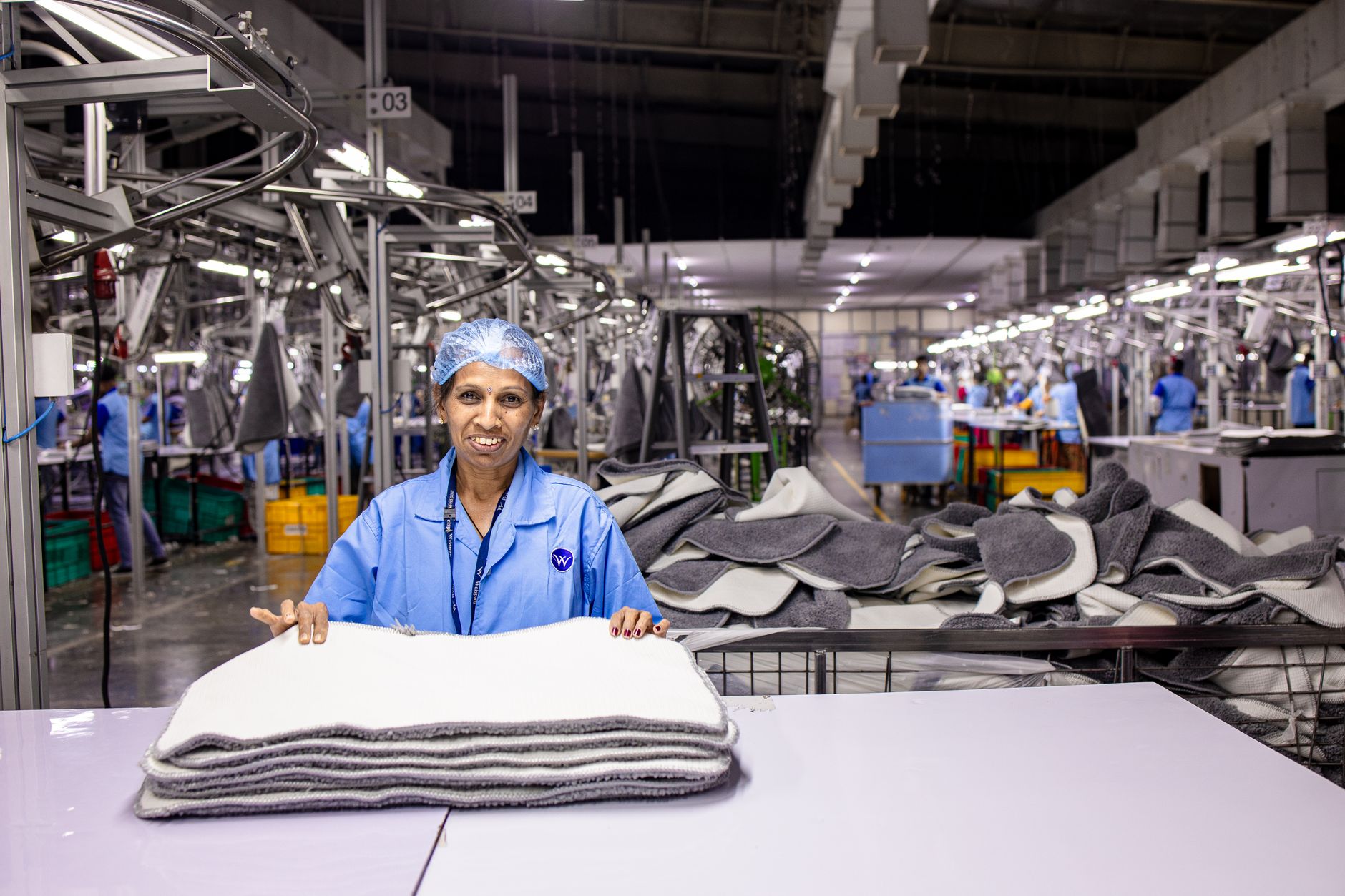
The immediate practical effect is that Canadian exporters across a wide range of industries are now looking at a 50% cost disadvantage when selling into the American market. For goods like autos, where margins are already thin and production is deeply integrated across the border, that shift is not something that can be absorbed quietly or rerouted overnight.
American importers and retailers who source Canadian products will need to decide quickly whether to pass higher costs to consumers, absorb them through reduced margins, or seek alternative suppliers – none of which are clean options. In the cheese aisle, at the car dealership, and behind a bar stocked with Canadian whisky, the arithmetic of this tariff will eventually land somewhere specific and visible.
Canada exported roughly $3 of goods into the United States for every $2 it imported across recent years, a trade surplus that Trump has consistently pointed to as evidence of imbalance. Whether a 50% tariff changes that ratio or simply changes who pays for it remains the central unanswered question hanging over the announcement.