

The United States government has suspended all official operations in the Mexican state of Michoacan, citing an unspecified “threat to U.S. interests” – a move that immediately cuts off the inspection pipeline required for avocados to legally enter American markets.
What the Suspension Actually Stops
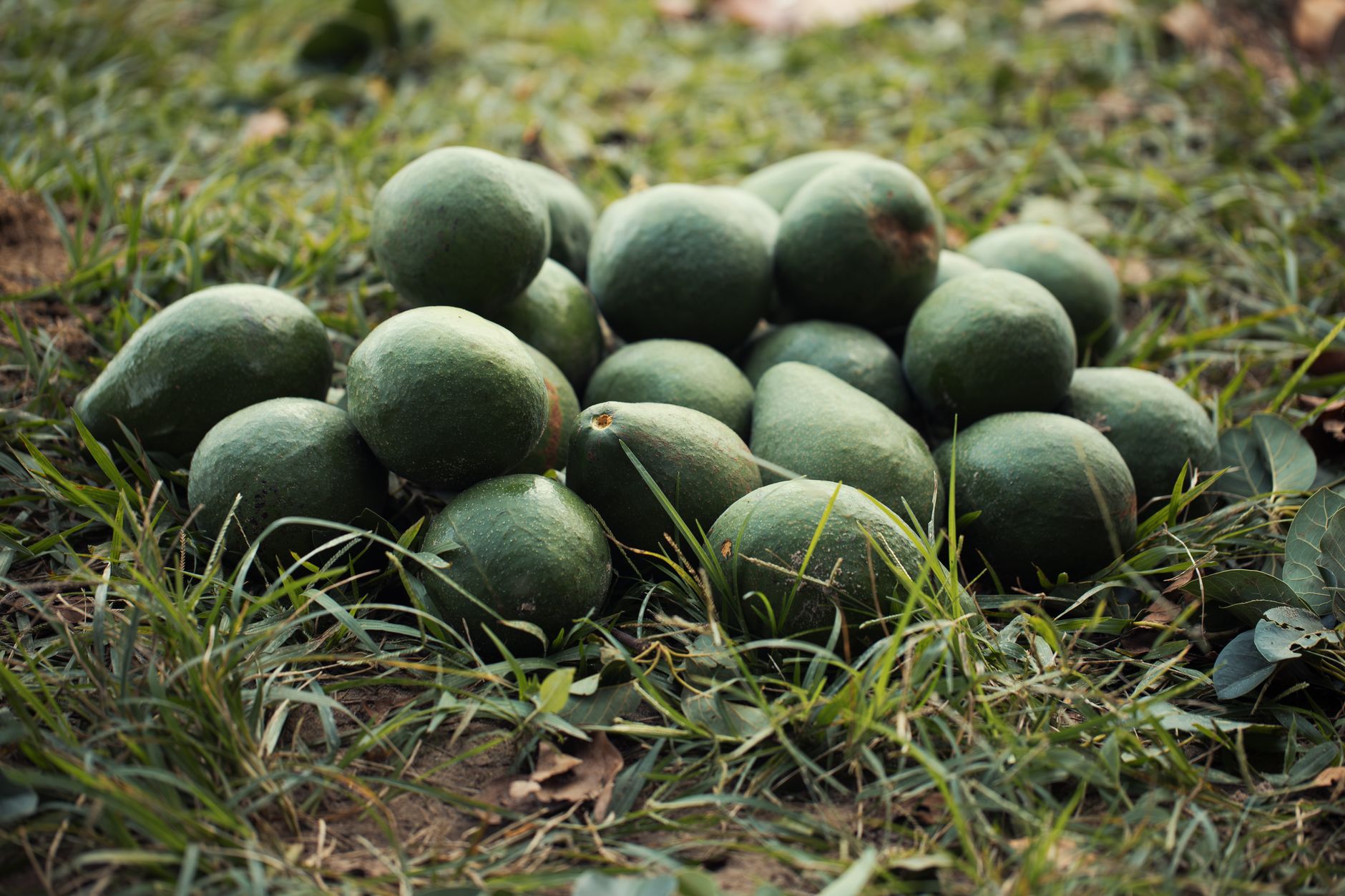
Avocados grown in Mexico cannot be exported to the United States without passing through a federally managed inspection process. That process just went dark. With U.S. government operations in Michoacan fully halted, there is no mechanism in place to certify the fruit for export – meaning shipments that would otherwise be moving toward American grocery shelves are now effectively frozen at the source.
Michoacan is not a minor player in this supply chain. The state is the dominant production hub for Mexican avocados, which account for the vast majority of avocados consumed in the United States. Any prolonged disruption in Michoacan doesn’t just affect a regional market – it reaches directly into American supermarkets, restaurant kitchens, and household grocery budgets.
The U.S. government has not specified what the threat is, who issued it, or how long the suspension will last. That absence of detail makes it difficult for importers, distributors, and retailers to plan around the disruption. Businesses that depend on steady avocado supply – whether for guacamole production, food service, or retail – are now operating without a clear timeline for when normal inspections might resume.
This is not the first time American inspection operations in Michoacan have been suspended under security-related circumstances. A similar halt occurred in 2022 after inspectors received threats, briefly sending avocado prices upward before operations resumed. The current suspension carries the same economic mechanics, even if the underlying cause hasn’t been publicly explained.
Price Pressure and Supply Chain Exposure
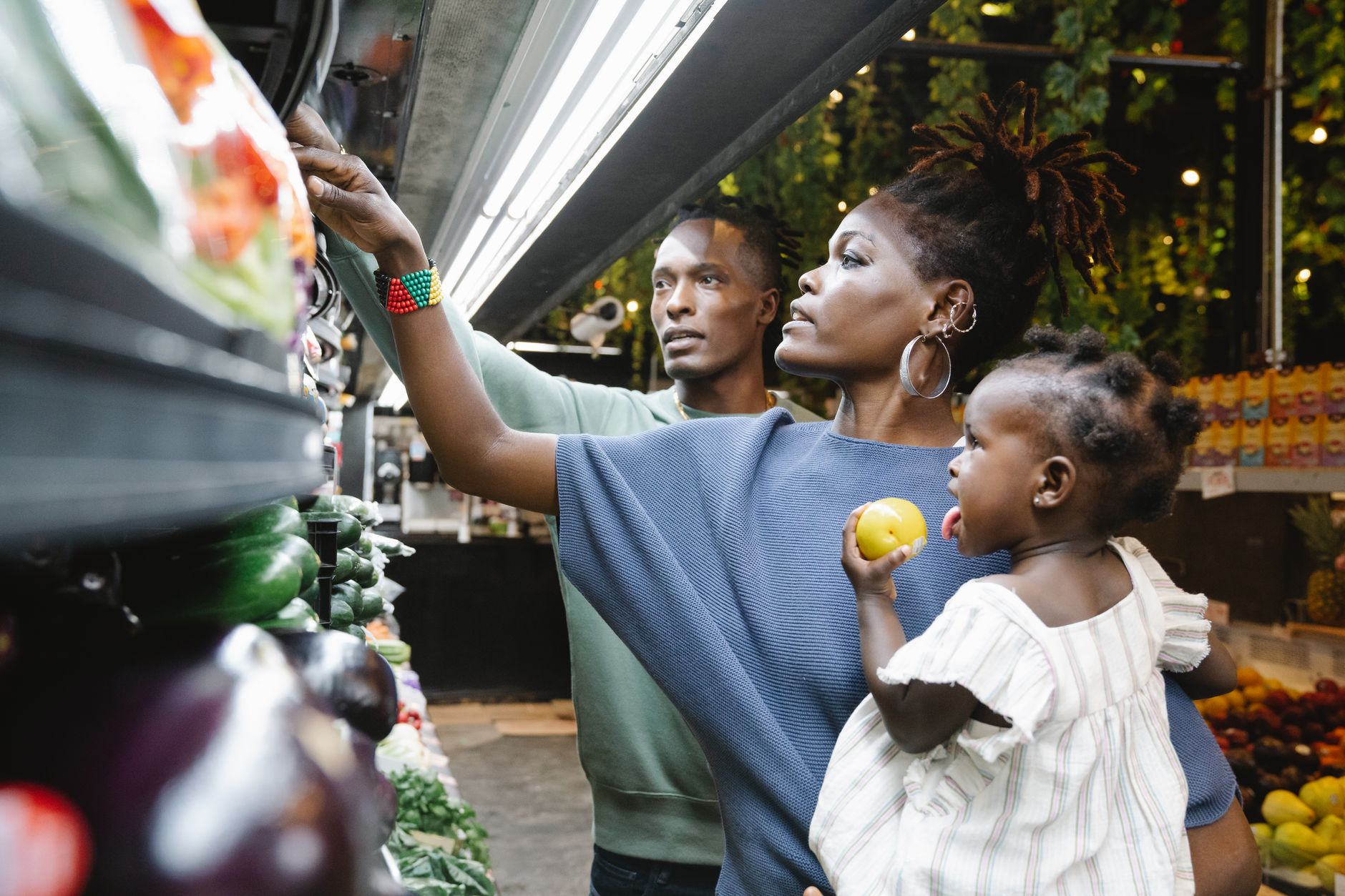
Avocado prices in the U.S. are already sensitive to supply fluctuations, and a shutdown of inspection operations in Michoacan removes one of the only reliable pressure valves in the supply chain. Unlike some agricultural commodities, avocados have a narrow substitution window – consumers and food businesses don’t easily pivot to alternatives, which means demand stays relatively firm even as supply contracts.
The timing adds another layer of economic friction. American food prices have been under sustained pressure, and avocados – long positioned as a premium but accessible staple – have become a visible line item in household spending. A shortage driven not by crop failure or weather, but by a security-related government decision, introduces a different kind of uncertainty. Crop shortages can be forecast and planned around. Security suspensions tend to resolve on their own timeline.
Importers who have already contracted for large shipments are now caught between suppliers who cannot get product certified and buyers who expect deliveries. That gap – between contractual obligation and operational reality – tends to generate financial disputes and rushed renegotiations that ripple well beyond the initial disruption. Small distributors with tighter margins are particularly exposed to that kind of short-notice supply break.
Retailers, meanwhile, face a shelf-availability problem that is hard to explain simply to consumers. Prices may rise before any shortage becomes visible. That is the typical pattern when a supply bottleneck forms upstream: the cost increase hits the register before the physical absence hits the shelf, leaving shoppers paying more without immediately understanding why.
There is no immediate substitute supply source large enough to cover what Michoacan produces. California grows avocados domestically, but at volumes that fall well short of compensating for a Mexican supply gap. Other Latin American producers – Peru, Chile, Colombia – supply the U.S. market in smaller quantities and cannot rapidly scale to absorb a Michoacan-sized shortfall. The math of avocado supply, for now, runs through that one Mexican state.
A Supply Line Running Through Uncertain Ground
The suspension is a reminder of how concentrated the U.S. avocado supply chain actually is, and how much of it depends on the physical presence of American government inspectors operating safely in a foreign state. Michoacan has long faced security challenges tied to organized crime, and that environment has occasionally put inspection operations at risk – but the U.S. food supply’s dependence on that single corridor has only grown over time, not shrunk.
What happens next depends on whether the underlying threat is resolved quickly enough for operations to resume before inventory buffers run dry at the distributor level. Those buffers are finite. Avocados have a limited shelf life, and product already in transit or in warehouses will not stay sellable indefinitely while the two governments work through whatever prompted the halt in the first place.