

A Strait Becomes a Battlefield for Commercial Traffic
The U.S. military has launched airstrikes against Iran following Tehran’s attack on a container ship operating in the Strait of Hormuz, according to the Pentagon. The strike marks a direct military confrontation tied explicitly to commercial shipping – a corridor that carries a significant share of the world’s seaborne oil and cargo – and signals that the long-simmering tension over who controls passage through the strait has now crossed into open armed conflict.
Iran attacked vessels using a route along Oman’s coast that falls under U.S. military protection. Tehran has been demanding that commercial ships use a northern route that passes through Iranian waters instead.
That demand is not incidental. It is the entire dispute in compressed form: whoever controls the preferred shipping lane controls the tolls, the data, the leverage, and ultimately the chokepoint through which energy markets breathe.
What Iran Is Actually Demanding – and Why Shipping Companies Are Caught in the Middle
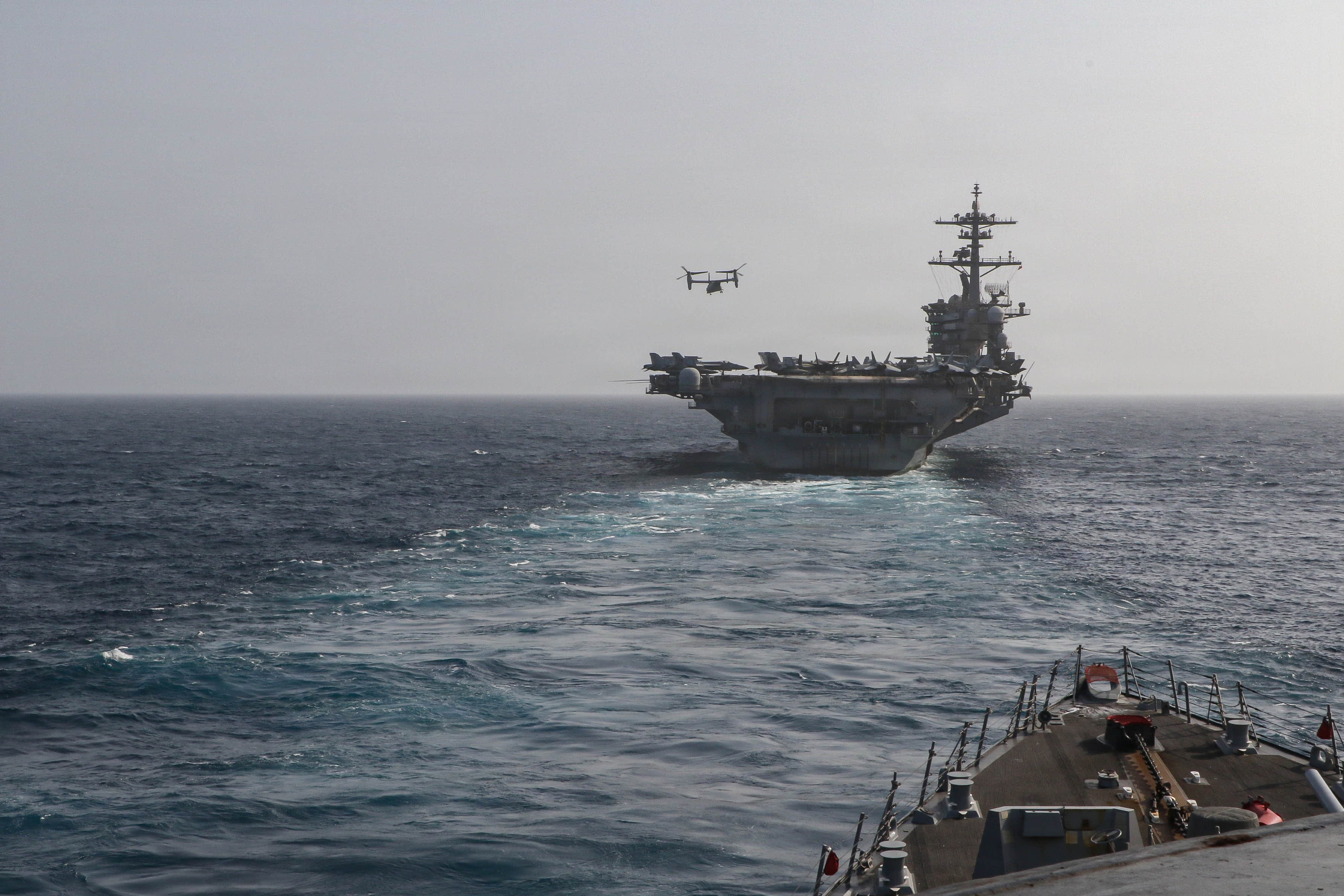
The Omani coastal route has functioned as the commercially preferred path for vessels transiting the strait precisely because it offers a degree of insulation from Iranian interference – or did, until now. U.S. naval presence in the region was meant to guarantee safe passage along that corridor, a commitment built into the broader architecture of American power projection in the Gulf. Iran’s decision to attack ships using that route is a direct challenge to that guarantee, forcing carriers, insurers, and charterers to recalculate whether the protected lane is actually protected.
Tehran’s alternative – routing vessels through Iranian territorial waters via a northern passage – is not a neutral logistics suggestion. It hands Iran visibility into vessel traffic, potential customs and passage revenue, and most importantly a political card: the ability to detain, delay, or inspect any ship that complies. For shipping operators, complying with Iran’s demand would mean trading one risk profile for another, with the added dimension of U.S. sanctions exposure for any company that could be construed as operating under Iranian direction.
The insurance market will price this faster than any government can respond. War-risk premiums on Gulf transits were already elevated before this exchange. Following a confirmed U.S. airstrike on Iranian territory – and Iran’s confirmed attack on a container vessel – underwriters will reassess coverage terms, deductibles, and in some cases availability of coverage altogether. Carriers operating on thin margins do not absorb those costs quietly; they pass them forward into freight rates, which flow into the price of goods that move through the strait.

Energy Markets, Freight Costs, and the Supply Chain Fallout
The Strait of Hormuz is not one chokepoint among many. It is the exit valve for Gulf oil production from Saudi Arabia, the UAE, Kuwait, Iraq, and Iran itself. Any sustained disruption to transit – whether through physical attacks, re-routing mandates, or insurance-driven avoidance – feeds directly into crude benchmarks. Brent and WTI traders have watched Hormuz tension cycles before, but a scenario in which the U.S. is actively conducting airstrikes against Iran while Iranian forces are simultaneously targeting commercial vessels introduces a level of simultaneity that previous incidents did not carry.
Container shipping is the secondary but still material exposure. The strait handles not just tankers but cargo vessels serving Asian and European trade lanes. A forced re-routing – either north through Iranian waters or around the Arabian Peninsula via the Cape of Good Hope – adds days and fuel costs to voyages already dealing with elevated bunker prices. The Red Sea disruptions earlier demonstrated how quickly a regional threat can rewire global freight economics; the Hormuz corridor carries higher energy volume and less routing flexibility than the Red Sea alternative.
Ground-level consequences tend to arrive before official assessments do. When fuel transit costs rise, agricultural commodities shipped in bulk, manufactured goods moving from Asian factories to European retailers, and liquefied natural gas cargoes bound for energy-stressed markets in Asia all absorb the pressure simultaneously. There is no sequencing – the cost hits everything at once, and the question for importers and logistics managers becomes how long the disruption lasts, not whether they will feel it.
The Calculus Carriers and Insurers Face Right Now
Shipping operators have a narrow set of options, none clean. Complying with Iran’s northern route demand creates legal exposure under U.S. sanctions frameworks. Continuing along the Omani coastal route means operating in waters where Iran has now demonstrated willingness to attack vessels even with U.S. naval forces present. Avoiding the strait entirely – by rerouting around the Cape of Good Hope – adds approximately 3,500 nautical miles to a standard Asia-to-Europe voyage, a cost that compounds across fuel, crew time, and schedule disruption for downstream port operations.
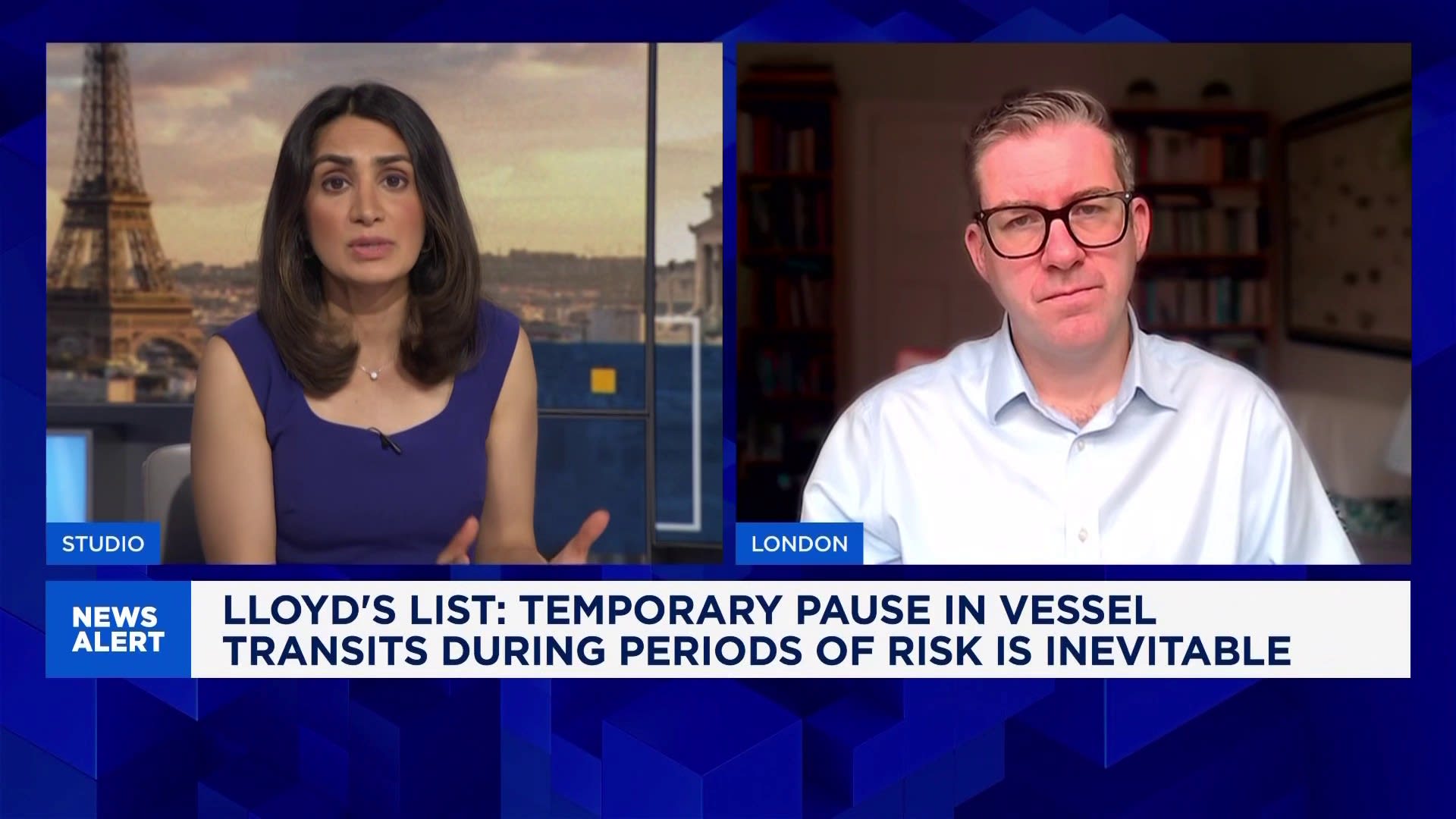
The U.S. military’s decision to strike Iran in response suggests Washington intends to defend the protected lane rather than cede it. That posture, if sustained, means the Omani route remains theoretically open – but “theoretically open” and “commercially viable” are not the same calculation when insurers are repricing war risk and ship owners are making real-time decisions about crew safety. Several major carriers temporarily suspended Red Sea transits in 2024 within days of Houthi attacks beginning; the response timeline for Hormuz would likely be shorter, given the direct U.S.-Iran military exchange now on the record.
What makes the current standoff different from past Hormuz tension episodes is the explicit nature of Iran’s demand. Previous incidents involved harassment, seizures, and threats – but Tehran is now stating a condition: use our route. That transforms the situation from a security problem into a political one, and political problems in strategic waterways do not resolve on shipping-market timelines. Every day the standoff persists is a day freight rates, insurance premiums, and energy prices adjust to a new floor.
The container ship Iran attacked was using the U.S.-protected Omani coastal corridor when it was struck – meaning the attack did not happen in disputed waters or ambiguous territory. It happened exactly where carriers were told they were safe.