


When the Game Kicks Off Without You
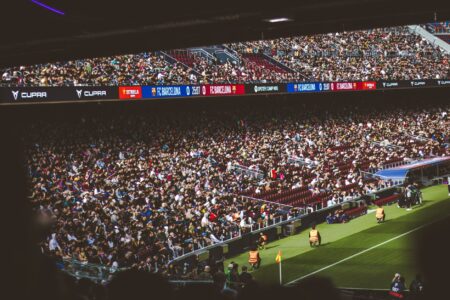
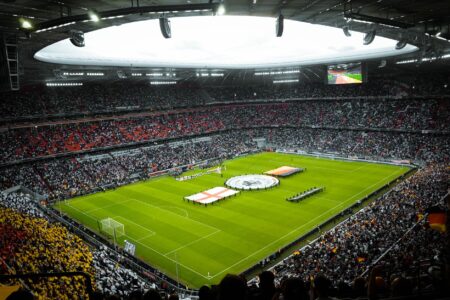
Thousands of soccer fans traveled to the World Cup only to find themselves standing outside stadiums, holding receipts for tickets that never materialized. Complaints have flooded social media in waves – orders canceled at the last minute, tickets that simply never arrived, and customers trapped in a loop between FIFA’s official ticketing system and third-party resale platforms like StubHub, each pointing fingers at the other while fans missed the matches they had paid hundreds or thousands of dollars to attend.
The scale of the disruption has turned what should have been a celebration into a consumer protection story.
FIFA controls the official distribution of World Cup tickets through its own platform, but a secondary market runs parallel – and largely independent – of that system. When those two channels fail to communicate, or when a reseller’s inventory evaporates before delivery, the fan at the end of the chain is the one left without recourse, without a seat, and often without a refund in hand before the final whistle blows.
The Mechanics of a Market That Fails at the Worst Moment
Ticket resale platforms operate on a model that assumes supply will meet demand at the point of transfer. A seller lists a ticket, a buyer pays, and the platform facilitates the handoff – theoretically. In practice, World Cup tickets carry unique complications. FIFA’s system ties tickets to specific buyer identities, meaning a ticket purchased through an official channel cannot always be freely transferred to a stranger who bought it from a reseller. That structural friction is not new, but at a tournament of this size, with fans flying internationally and booking hotels months in advance, a failed transfer is not a minor inconvenience. It is a financial and logistical catastrophe measured in airfare, accommodation, and lost time.
Resellers like StubHub operate under guarantees – promises that buyers will receive valid tickets or their money back. But the timing of that guarantee is everything. A refund processed after a match has already ended does nothing to get a fan into a stadium on a Tuesday afternoon in a foreign city. The money may eventually return, but the experience – the specific Argentina group stage match or the quarterfinal a family planned around for two years – does not.
What makes this pattern economically significant is that the secondary ticket market for global sporting events has grown into a multi-billion-dollar industry operating with minimal standardization and almost no enforceable international consumer protections. A fan buying through a U.S.-based platform for a match in another country sits at the intersection of at least two legal jurisdictions, FIFA’s own contractual terms, and whatever fine print the reseller buried in its checkout flow. When things go wrong, the path to resolution is genuinely unclear – and platforms have little incentive to resolve disputes quickly when the event has already passed.
Social Media as the Only Available Escalation Path
The volume of complaints appearing on social media is itself a data point. When official customer service channels fail – long hold times, automated responses, support tickets that go unanswered for days – public pressure on platforms like X and Instagram becomes the de facto escalation mechanism. Fans have learned that a post with enough visibility sometimes produces a response that hours of phone calls cannot. That dynamic reflects a customer service infrastructure that was not built to handle the concentrated demand of a month-long global tournament.
FIFA, for its part, runs its own ticketing system and sets the terms under which official tickets can be transferred or resold. Any gap between what FIFA’s platform permits and what a reseller promises a buyer is a gap that fans fall through. FIFA has not historically been quick to absorb responsibility for transactions that originated outside its own channels, which leaves resellers as the primary – and sometimes only – point of contact for a frustrated buyer who is already at the stadium gate.
The hours fans reportedly spent trying to sort out problems between FIFA’s ticketing system and outside resale platforms points to something beyond bad luck or isolated technical glitches. It describes a systemic coordination failure between two parallel commercial ecosystems that share a customer base but do not share data, accountability structures, or resolution protocols in any meaningful way. Fans who bought through resellers assumed they were buying access to a match. What they were actually buying was a position in a supply chain with no guaranteed last-mile delivery.

A Transaction With No Safety Net at Kickoff
Major sporting events have long attracted secondary market activity, and the problems that surfaced at this World Cup are not entirely new. But the combination of international travel costs, FIFA’s identity-linked ticketing architecture, and the scale of StubHub and similar platforms has compressed a familiar consumer frustration into something sharper. A fan who buys a concert ticket from a reseller and gets burned loses a night out. A fan who buys a World Cup ticket and gets burned may lose a trip they saved years for – and the question of whether the reseller’s guarantee will make them financially whole, let alone whole in any meaningful sense, is one that platform terms and conditions have never been written to honestly answer.